

Search Results
- Honshu
100+ Results
Top Pick

Fragrant and herbal aromas, with pine needles, basil, green bell pepper, pea pod, black truffle, peppercorn, and smoke from smoldering dry mosses and wood shavings. It’s very smooth and refreshing, with pear, peppermint, lemon, lime, green tea, kiwi, and herbal notes, finishing with chopped mint, more herbal layers, and gentle peppery spice. A unique composition and a quintessential Japanese whisky experience. (JM, Summer-2023)
Top Pick
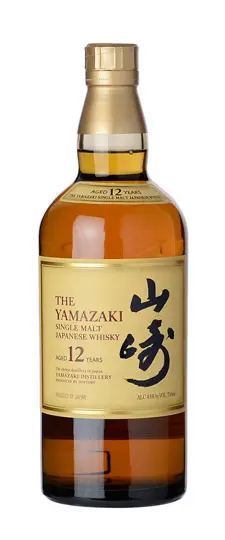
The first thing you notice is the elegant fragrance of lychee, spring blossoms, lily, rosewater, and raspberry meringue. Deeper in, grassy notes with star fruit, kumquat, and kaffir lime leaves. The flavors offer perfection in their simplicity: silky honey, soft spices, crystalized pineapple, barley sugar, lemon, and orange. On the finish, the spices chatter on and on as the sweet citrus and honey fade in and out. One to cherish. (JM, Spring 2018)
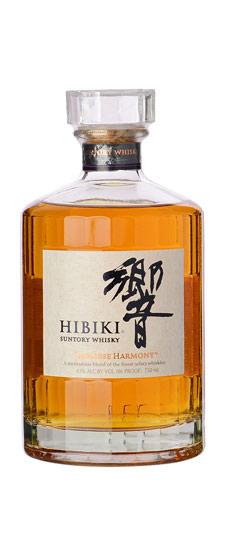
A soft and delicate nose offers vanilla ice cream, ripe banana, peach, and honey-sweetened breakfast cereal. The palate is gentle and smooth, but packed with flavors—more vanilla, peach, coconut flakes, lemon meringue, cherry tart, and blackberry jam—all balanced by peppery spice and fragrant oak. A long, nicely spiced finish offers balanced fruitiness, Creamsicle, and dark chocolate. Complex, balanced, deep, and well-spiced; an easy sipper. (DF, Fall-2024)
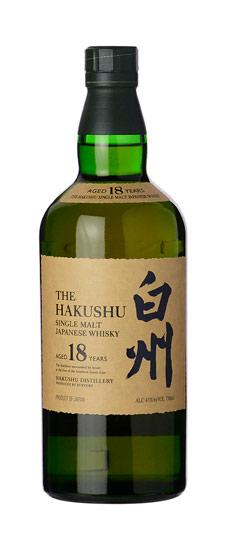
For many years, Hakushu 18 Year was my golden goose of Japanese whisky. Believe it or not, back when I started in this industry over 20 years ago, the Yamazaki 12 year was the least expensive 12-year-old single malt in my store. I think we charged $37 and Glenlivet 12 Year was $40. When I wanted to treat myself the 18 year was only $100! When the Hak 18 Year launched in 2006, it was literally all I wanted, and it was damn hard to find. Difficult to sell yourself the one bottle allocated to your store, so I eventually paid retail elsewhere and coveted that bottle like it was my baby. Then, it became impossible to find and extremely expensive, yet my desire to have it in my possession diminished very little. Now, tasting the modern version, I actually think it's improved amazingly over the years; my desire to own the Hak 18 Year never really connected with my perception of its quality. Let's have a little bit together! The color is a beautiful, burnished color (1.1) Huh, this is much darker than I remember the old version being. HOLY MOLY, the nose is absolutely stunning, full of beautiful, tropical fruit, wild honey, antique wood, and the finest black teas. The smoke is so well-integrated and rich you'd be hard pressed to call it out as a peated malt on the nose. The ultra supple entry builds with deep, roasted fruit, deep vanilla, rancio, and baking spice that build toward a round, complete, and savory finish. Again, we're not at all in the overt peat world, and the depth and age feel well beyond 18 years. For all that is said about Suntory's consistency, this is wildly inconsistent with what I remember in that it's much, much better! A poor, little 92 point score from 13 years ago does not do the modern Hakushu 18 year any justice. It's very clear that they're putting beautiful old malt in this from a variety of extremely high- quality barrels. A beautiful whisky that should be considered for anyone looking for a luxurious experience.
Limit of 6 Per Customer
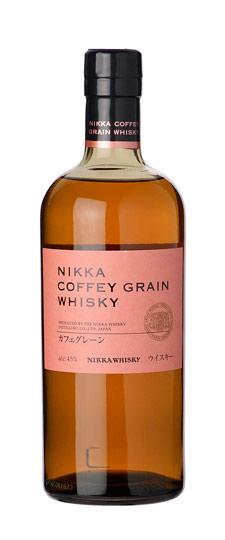
Sweet, with subtle, crisp, nutty oak, then comes fudge, ripe banana, and peach. The overall effect is like eating vanilla ice cream with toffee fudge and hazelnut sprinkles. The structure is thick and physical, the palate sweet and quite fat, with light hints of raspberry, fruit salad. A jag of acidity freshens the delivery on the finish. With water there’s more toffee, and it becomes slightly more yielding, with less oak. For me the gold standard of grain. (DB, Fall 2015)
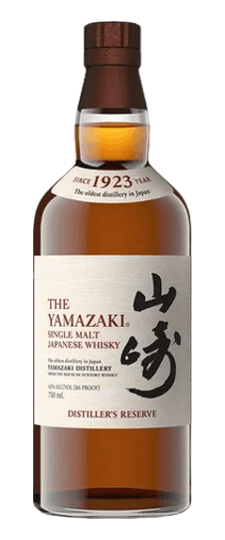
The Yamazaki Distillery doesn't release new products very often and when the Distiller's Reserve was release in Japan way back in 2014, we were excited to have a new Yamazaki to sell. It only took about a decade or so for them to release the product stateside. While critics hemmed and hawed about the lack of age statements, the public has embraced this release with gusto. Turns out there are some pretty incredible old whiskies in the blend, and it easily competes with the more expensive 12-year-old. Many will even prefer the richer robust style that the Reserve brings. Yamazaki Distiller's Reserve, Suntory's flagship single malt whisky, is comprised of a blend of American, Spanish, and ex-Bordeaux French oak with some old sherry casks over 18 years old. Each component is expertly blended with the great care that all Suntory whiskies are afforded.
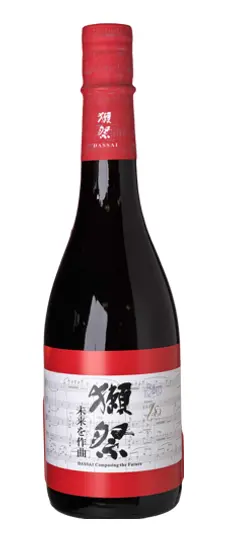
Dassai is the flagship sake brand of Asahi Shuzo, founded in Yamaguchi Prefecture and known for concentrating its production on junmai daiginjo. This designation requires rice polished to 50% or less of its original weight and is made without added distilled alcohol. “Composing the Future” is presented here in a 720ml bottle.
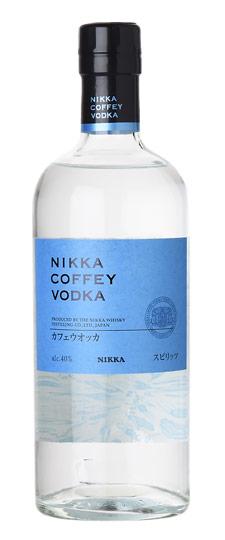
The name of this whisky has nothing to do with coffee—rather, it's named for a type of still invented by Aneas Coffey, which is used to make this golden spirit. It offers mild vanilla-pear aromatics and is relatively light and silky on the palate. Look for a light vanilla sweetness at first, which gives way to a rounded dark chocolate note and baking spice finish. Recommended for highballs and other mixed drinks. (KN)
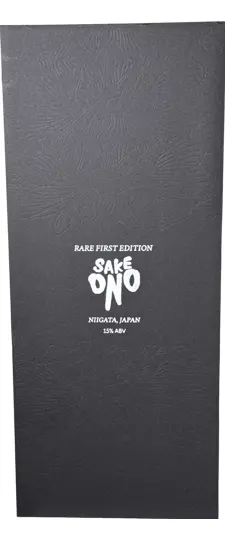
Junmai Daiginjo is a premium sake classification requiring rice polished to 50% or less of its original weight, with no added distilled alcohol. This 720ml First Edition release from Sake Ono is produced in Japan on Honshu, the country’s largest island and its historic center of sake brewing.
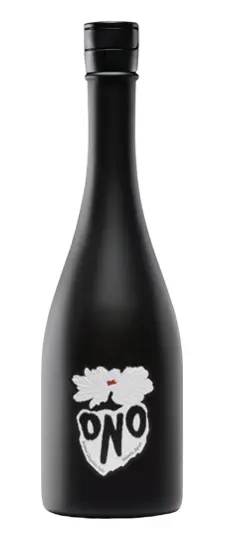
If you're looking for a clean and bright sake that will pair well with meats and cheeses and vegetables, look no further. This is it! Of course, it will also pair very well with sashimi and sushi. Clean and quite bright, with light to medium body, it has mellow citrus flavors with white melon and tart green fruits. It widens slightly on the mid-palate and expands with a very nice hint of creaminess. Simply put, it's pretty much perfect with a huge array of foods or just as enjoyable by itself or even in a cocktail. They even gave me a recipe for a Vesper martini with this sake as a key ingredient. That also looks delicious!
Insider's Advantage
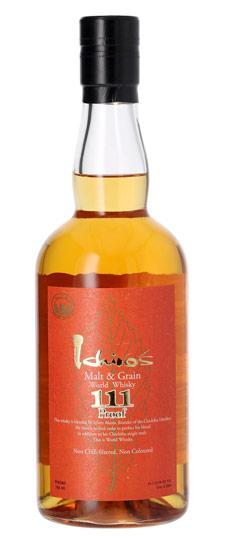
In a marked departure from Chichibu Distillery's flagship "white label" world whisky, Ichiro's Malt & Grain 111 Proof features the inclusion of peated malt, an entirely new cask regimen, and is bottled at the highest proof for a core blend outside of Chichibu's distillery-exclusive releases. This US-exclusive blend of malt and grain whiskies vatted and matured by Chichibu Distillery in Saitama, Japan. Whiskies include Scotch, Canadian rye, American whiskey, Irish whiskey, and Ichiro's own Japanese single malt — aged 4-17 years in a combination of cask types including ex-bourbon and ex-rye whiskey barrels. Bottled at a 55.5% ABV without additives or coloring and non-chill filtered. Tasting notes from the distiller: "Sweet aromas of cola, shortbread, and tobacco precede a palate highlighting candied orange and dried pineapple with subtle peat smoke on a finish flush with tropical fruit and sea salt."
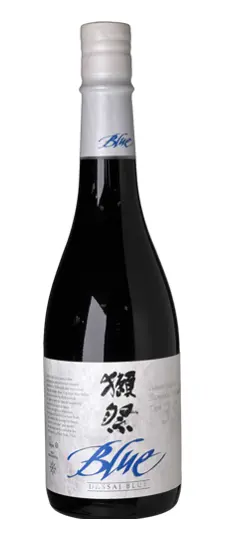
Kirinzan Brewery was founded in 1843 in Tsugawa, a historic river town in Niigata Prefecture on Japan’s main island of Honshu. This Blue Bottle carries the Junmai Daiginjo designation, reserved for sake made without added distilled alcohol and from rice polished to 50% or less of its original weight.
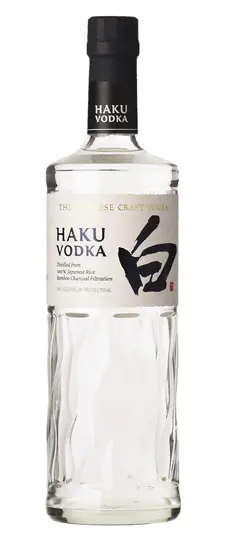
Suntory is the biggest name in Japanese whiskey, playing a pivotal, some might say definitive, role in establishing the category as a global market phenomenon. Indeed, many of the most sought-after, benchmark labels are distilled and bottled under the Suntory banner. So, it was only a matter of time before they threw their hat into the clear spirits game. Enter Haku, an ultra-premium vodka distilled from the finest white rice. From the producer: "HAKU Vodka, brought to life by the House of Suntory, is a Japanese premium craft vodka made from 100 percent Japanese white rice. Although the Japanese word "haku" literally means "white," the subtlety of the Japanese language often gives the characters several meanings. While "haku" is rooted in the word "hakumai," meaning white rice, the nuanced meaning can also be translated as "junpaku," which means an untainted brilliance and refers to HAKU's clear, clean, and luminous flavor. HAKU begins its distillation process in Kagoshima, Kyushu, a region well-known for rice spirit making. The process includes a meticulous mill and polish, where 100 percent Japanese white rice is fermented to create a mash. The mash is distilled through pot stills to create a rice spirit, and then distilled a second time through two different processes to create its uniquely flavored liquid. This liquid is then blended and filtered through bamboo charcoal in Osaka, Japan."
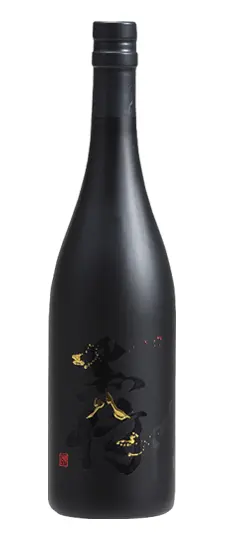
I, like many in this industry, am deeply skeptical of celebrity backed brands. Too often the famous name is little more than a marketing vehicle, detached from the actual liquid in the bottle. But on the rare occasion when the person behind the label is genuinely invested, not just financially but creatively, there is at least a chance for something compelling. What’s far rarer is a project where that involvement extends all the way through blending and production, anchored by a real connection to place. That is exactly what makes Rui Hachimura’s collaboration with Masuda Brewery worth serious attention. Hachimura isn’t just lending his name here, he’s working with one of Toyama’s most respected producers, a brewery long known for championing a drier, more refined house style that stands apart from the flashier, fruit driven profiles that dominate the export market. Masuda has built its reputation on precision, restraint, and clarity, and this blend reflects those values with remarkable fidelity. The aromatic profile leans subtle rather than showy, offering delicate suggestions of young mango, pear blossom, and a faint mineral edge that recalls crushed stone. It’s not about overt richness, but about purity and balance. On the palate, the sake walks a fine line between texture and lift. There is real weight here, but it never tips into heaviness, the structure keeping everything taut and composed. The finish is clean, persistent, and quietly complex, inviting another sip rather than overwhelming the senses. It’s a style that rewards attention but remains effortlessly drinkable. More importantly, it succeeds where so many prestige bottlings fail. This isn’t trying to impress through excess or gimmickry. It’s thoughtful, authentic, and genuinely delicious. It outclasses plenty of “luxury” sake that cost more and deliver less. We’re proud to stock our favorite Laker’s sake, not because of what he does on the court, but because this is simply excellent sake. Kanpai.
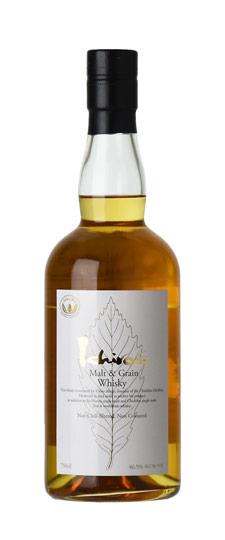
A unifying blend of 10 year old Chichibu, with select stocks of American, Canadian, Irish, and scotch whiskies matured in Japan, produces a nose of toffee apple, firm caramel, milk chocolate, ground hazelnut, roasted fennel seed, chopped cilantro stalks, green banana, and struck match. Cereal-led palate with Golden Grahams, light fruits of apricot, peach, and melon, base notes of pepper, moving through butterscotch, toffee, maple syrup, and crème caramel. (JM, Fall-2020)
Insider's Advantage
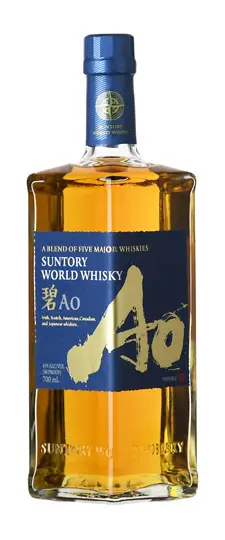
A world blend combining malt and grain whiskies from Ireland, Scotland, Japan, Canada, and the U.S., this is a busy, multilayered whisky. The nose has grilled orange, floral notes, fruity hard candy, rose water, fresh-baked bread, an almost yeasty note, wood spice, pastry, and firework smoke. Juicy orange flavors, with smoke, chocolate, cinnamon, peppercorn, and maltiness, then hazelnut, caramel, and ground almond to finish. (JM, Summer-2023)
Dassai is the flagship label of Asahi Shuzo, a brewery based in Iwakuni, Yamaguchi, renowned for focusing on junmai daiginjo sake. The “35” denotes a 35% rice-polishing ratio, meaning 65% of each grain’s outer portion is removed before brewing; this release is presented in a 720ml bottle.

Suntory is the biggest name in Japanese whiskey, playing a pivotal, some might say definitive, role in establishing the category as a global market phenomenon. Indeed, many of the most sought-after, benchmark labels are distilled and bottled under the Suntory banner. So, it was only a matter of time before they threw their hat into the clear spirits game. Enter Haku, an ultra-premium vodka distilled from the finest white rice. From the producer: "HAKU Vodka, brought to life by the House of Suntory, is a Japanese premium craft vodka made from 100 percent Japanese white rice. Although the Japanese word "haku" literally means "white," the subtlety of the Japanese language often gives the characters several meanings. While "haku" is rooted in the word "hakumai," meaning white rice, the nuanced meaning can also be translated as "junpaku," which means an untainted brilliance and refers to HAKU's clear, clean, and luminous flavor. HAKU begins its distillation process in Kagoshima, Kyushu, a region well-known for rice spirit making. The process includes a meticulous mill and polish, where 100 percent Japanese white rice is fermented to create a mash. The mash is distilled through pot stills to create a rice spirit, and then distilled a second time through two different processes to create its uniquely flavored liquid. This liquid is then blended and filtered through bamboo charcoal in Osaka, Japan."
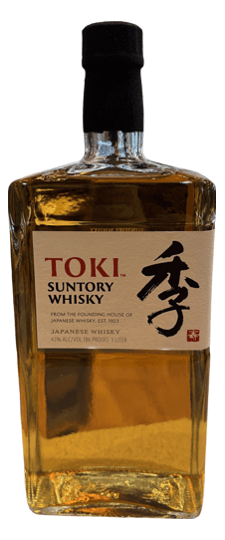
Suntory’s whisky heritage began with the opening of Yamazaki Distillery in 1923, Japan’s first malt whisky distillery. Toki—whose name means “time” in Japanese—is a blended whisky bringing together malt whiskies from Yamazaki and Hakushu with grain whisky from Chita, presented here in a 1-liter bottle.
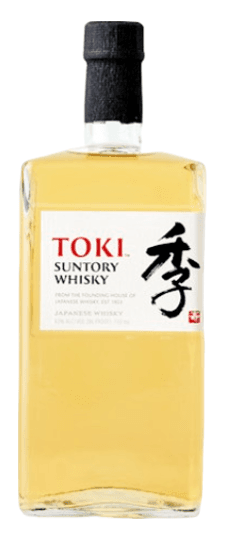
The original Toki has always been a go to recommendation for people who just want a whisky for highballs or a super light sipper that won't break the bank but gives you enough flavor to take the next sip. This is kind of the grown up version, more of the Hakushu distillery in here gives it more smoke, more depth, and overall provides a pretty great upgrade to the traditional Toki. The nose has pretty and soft peaty notes, little whisps of smoke coming off the bouquet, touches of honeyed green apple. The smoky peat comes out more on the palate, but it's never aggressive, it's like when your cat pats your face you with its claws just slightly out. It's incredibly smooth and an enjoyable sip all by itself, I would say this drinks more like a baby Hibiki than it does a grown up Toki all in all, but I still wouldn't hesitate to put it in a highball either. It's pretty delicious, especially for the price.
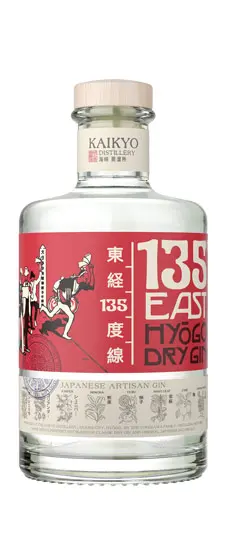
The 135º meridian east runs through Akashi City in the Hyogo prefecture, home of our Kaikyo Distillery. Inspired by the Taisho period, the Hyogo Gin alludes to a time when East and Western culture were melding within Japan. This concepts exemplifies the style and even the ingredients, which are designed to enhance and complement each other. Traditional London Dry Gin botanicals mingle with Japanese botanicals, topped with a splash of sake spirit. The spicy sansho pepper and floral, citrusy notes of yuzu balance perfectly the sweet earthiness of Angelica root and tangy bite of coriander. Also included in the complex yet forgiving blend is shiso leaf, ume, shencha and of course juniper. Each botanical is sourced from a local farm and distilled individually before being married together to form this a harmonious but enticing blend. The Yonezawa family, owners of Kaikyo Distillery, settled in Akashi City in 1856. There they started the family distillery and perfected rice distillation by 1917. 100 years later, Master Distiller Kimio Yonezawa honors his family legacy by creating an completely new and unique expression of this unique place.
Founded in 1915 in Wakayama, Yoshimura Hideo Shoten is home to master brewer Akiko Fujita, a protégé of the celebrated Naohiko Noguchi and an advocate of traditional sake-making methods. The brewery’s Kurumazaka range takes its name from the historic pilgrimage road beside its home in Iwade. For this junmai, Fujita uses the labor-intensive kimoto method to develop the fermentation starter, allowing lactic acid bacteria to establish themselves naturally. The sake is made with Ishikawa-grown Gohyakumangoku rice polished to 65%, yellow koji, yeast No. 1401 and water from the Kinokawa River. After fermentation, it is pressed in a Yabuta, filtered through cloth and pasteurized. Bottled at 16.6% ABV, it reflects Fujita’s focus on texture and the savory character of rice.
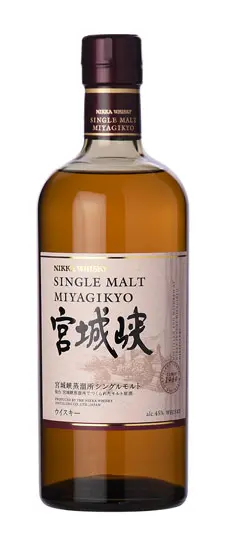
One for no age statement naysayers. An eloquent expression of sweet osmanthus, baked lemon, yuzu, violin resin, rich malts, and bonfire aromas on a favorite woolen jumper. It glides across the tongue with sweet barley sugar, but attests to greater depths; grapefruit, spicy ginger, and mandarin developing milk chocolate-coated, candied lemon flavors. A firm finish: green cardamom spices slowly releasing their grip on the front of the palate, leaving clingy vanilla. Unbound by an age statement, it's a beautiful offering. (JM, Winter-2016)
Compare to $102 Elsewhere
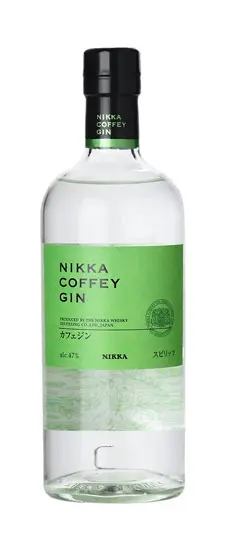
Nikka is continuing to expand its Coffey Still lineup with the addition of a new gin and vodka to complement the malt- and grain-based whiskies distilled on the multi-story apparatus located in the Miyagikyo distillery. Using Japanese citrus varieties like yuzu, kabosu, amanatsu and shikuwasa, as well as sansho pepper and apples, the gin is a burst of fresh and fruity delights. That bright citric element is then paired with juniper, angelica, coriander and lemon peel to bolster it with a clean and aromatic finish. The result is familiar, yet completely unique in the current gin market. Bartenders and cocktail enthusiasts should flock to this with equal relish.
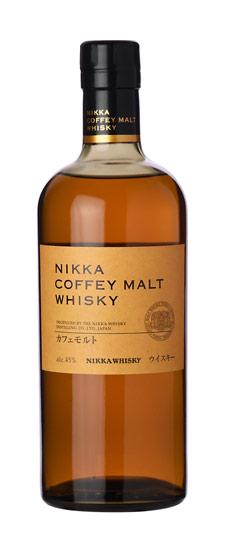
The name of this whisky has nothing to do with coffee—rather, it's named for a type of still invented by Aneas Coffey, which is used to make this golden spirit. It offers mild vanilla-pear aromatics and is relatively light and silky on the palate. Look for a light vanilla sweetness at first, which gives way to a rounded dark chocolate note and baking spice finish. Recommended for highballs and other mixed drinks.
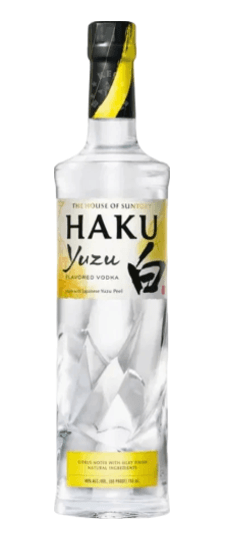
Founded in Osaka in 1899, Suntory helped shape Japan’s modern drinks industry. Haku—whose name means “white” in Japanese—is the company’s Japanese vodka label. This Honshu-produced expression features yuzu, an East Asian citrus with a long culinary tradition in Japan, linking a familiar Japanese ingredient with Suntory’s century-plus heritage.
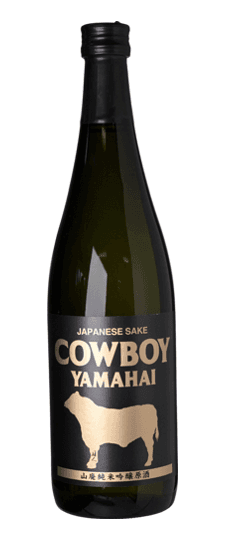
Cowboy Junmai Ginjo sake is bold and big for a sake. At 19% abv you definitely feel the intensity. You get umami, big lush fruits, and cooked rice on the palette, all the while being hit in the face with the alcohol, but ending in a smooth finish. It is great for serious sake lovers that want a bolder tasting sake and can be served room temperature or slightly chilled at 40 degrees centigrade or 104 degrees Fahrenheit. It pairs best with richer dishes as well!
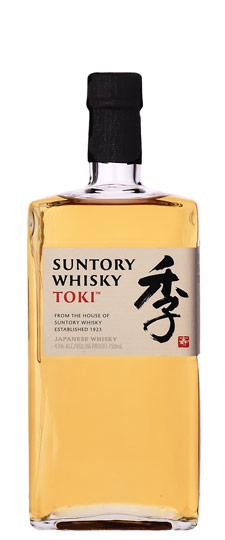
While it may seem that our world is suddenly awash in Japanese single malts, the fact is that we’re already in a shortage. Last year, as demand continued to build for its limited stocks, Suntory took the age statement off its Hibiki, suggesting less of the precious older stocks were being used. This year, they’ve introduced Toki, a welcome addition to the portfolio. Whereas Hibiki is a burnished, complex sipper, Suntory’s latest release, Toki, is a light, bright, perky spirit with a surprising punch of flavor—apple, citrus and honey notes backed by a lingering smokiness. It makes an elegant summer whisky served on the rocks, but it also seems destined to usher the return of the whisky highball, which has become the drink of choice in Tokyo these days. It’s very refreshing when made as they do, stirred over rocks in a tall glass, then joined with super-bubbly soda water and a lemon twist. *Year's Best Spirits 2016* (JM)
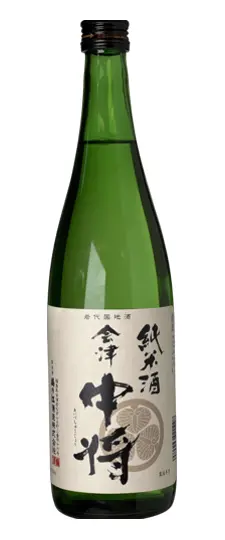
Aizu Chujo is produced by Tsurunoe Shuzo, a family-run brewery founded in 1794 in Aizuwakamatsu, Fukushima Prefecture. This 720ml junmai belongs to the pure-rice sake category, brewed from rice, rice koji, and water without the addition of distilled alcohol.
Insider's Advantage
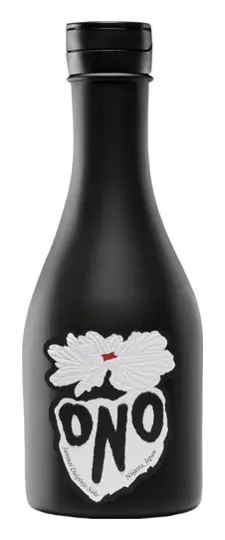
If you're looking for a clean and bright sake that will pair well with meats and cheeses and vegetables, look no further. This is it! Of course, it will also pair very well with sashimi and sushi. Clean and quite bright, with light to medium body, it has mellow citrus flavors with white melon and tart green fruits. It widens slightly on the mid-palate and expands with a very nice hint of creaminess. Simply put, it's pretty much perfect with a huge array of foods or just as enjoyable by itself or even in a cocktail. They even gave me a recipe for a Vesper martini with this sake as a key ingredient. That also looks delicious!
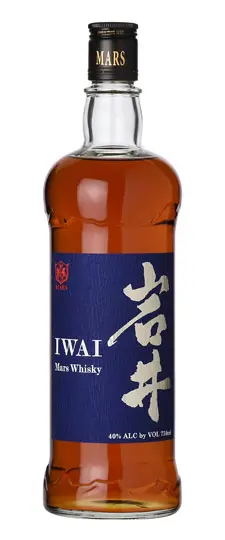
This is a light and delicate whiskey, extremely pleasant to sip before an evening meal. The nose evokes a cup of black tea sweetened with honey. That warm honey note gets stronger on the palate changing to a honey/lemon hard candy and follows through all the way to the finish. "Nuanced" is the best word to describe this whiskey. There are no hard edges or heavy flavors, just a pleasant afternoon drinking experience before the sun the sun goes down.
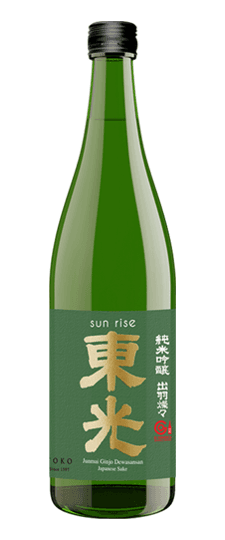
Made from Dewasansan rice, a descendant of the iconic Omachi strain, this Junmai Ginjo is a lovely grassy, floral, and sweetly fruited sake. The rice is exclusively grown in Yamagata and helped to pave the way for teh region to receive the first Geographical Indication in all of Japan. Delicate, but not shy, this sake is very accessible and easy to apprecaite. Polished to 55%.
A lush nose of cantaloupe, lychee and honeysuckle. On the palate, surprisingly nutty (Pine nut, Macadamia nut) with plush mouthfeel. Very creamy, with flavors of vanilla and honeydew. Delicious and perfectly enjoyable on its own!
From the producer, "Seductive, blossoming and subtle, our Hibiki Whisky range celebrates an unrivaled art of blending, fine craftsmanship and a sense of luxury from the House of Suntory." COLOR: Deep Amber NOSE: Leather, raisin, prune, sweet chestnut PALATE: Brown sugar, dried fig, apricot jam, cedar and pain d’epices(gingerbread) FINISH: Extremely rich, cinnamon and Mizunara (Japanese oak)
Junmai Daiginjo is made from rice, koji, and water, without added distilled alcohol, and requires rice polished to 50% of its original weight or less. Kirinzan produces this 300ml Blue Bottle expression in Niigata Prefecture on Honshu, one of Japan’s best-known sake-producing areas.
Insider's Advantage
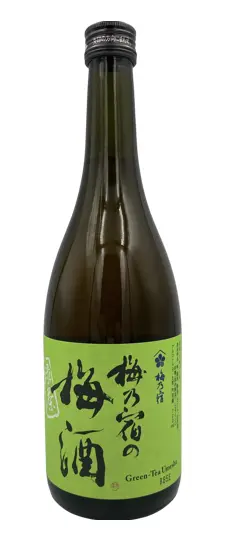
From Nara Prefecture's Umenoyado Shuzo Brewery comes a unique Umeshu (plum sake) infused with high-quality green tea leaves. This 8% ABV liqueur brings together sweetness and a touch of bitterness from the green tea, creating a balanced flavor profile. It can be enjoyed chilled, on ice or as an addition to a cocktail. To keep its flavor, refrigerate it after opening. Umenoyado Brewery is known for their commitment to quality, using fresh ingredients to make standout Japanese fruit liqueurs.
Introducing Aragoshi Umeshu from the Umenoyado Shuzo Brewery located in Nara Prefecture. With an alcoholic content of 13%, this premium liqueur combines Ume fruit, top-tier sake, quality distillate, and a hint of rock sugar for sweetness. It can be enjoyed chilled, on the rocks, or as part of a cocktail. Prepared from specially chosen, hand-washed Ume plums, the 'Aragoshi' or 'roughly pressed' process ensures significant fruit flavor. A substantial 21% of the volume comes from Ume plum nectar and included pulp. To preserve its taste, refrigerate after opening and it's good for months.
Insider's Advantage
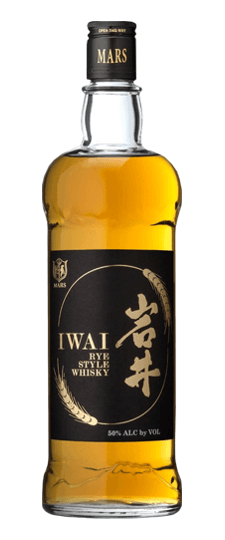
“Hey, can I get some of that Japanese scotch?” they’d often ask, sitting down at my bar. Hiding my deep-seated instinct to snark them into oblivion, I’d choose the hospitality route, which was one of information delivered through kindness. “Scotch,” I’d reply, “is simply whisky made in Scotland. This is Japanese whisky, which just means it was made in Japan, though it does emulate the Scottish style in many ways.” Since its inception more than a century ago, Japanese whisky has been directly associated with and compared to Scotch for understandable reasons. Malt whisky and grain whisky made in the style Masataka Taketsuru first learned in Scotland in the early 1900s resemble the Scotch we know and love in countless ways, even with some wonderful Japanese innovations and variations. And while they’ve experimented with other grains like rice, one thing the Japanese have done extremely well is blend whiskies from around the world in their own elegant style. Rye whiskey, on the other hand, has never really been thought of as elegant in the traditional sense. It’s the rugged, pre-Prohibition, spicy northern style of whiskey that early American settlers first made. But now our friends at Mars have decided to create a fun new counterpart to their bourbon-forward Iwai 45, blending their own classic 70% corn and 30% pot-stilled unmalted barley whisky aged in ex-bourbon barrels with some 95/5 rye aged in new charred oak and imported from Tennessee. The result brings lovely grain and spice, cherry and cocoa, nutty and herbal notes, plus berries and tea to the glass in a style that’s ready for your favorite cocktail or highball. And the price is perfect for mixing. But to be clear, this is not a rye whisky made in Japan, in the same way traditional Japanese whiskies aren’t Scotches. It’s an easy-drinking, supremely mixable rye-style whisky from blenders who’ve made a name for themselves combining liquid gold from around the world into a final product as unique and inviting as Japan itself.
Ilaka Sake Atelier was established in Matsukawa, Nagano, in 2024 by master brewer Katsumi Tanaka, who carried forward a brewing license and legacy dating to 1665. After decades working in Nagano sake production, Tanaka built his own brewery in the foothills of the Northern Alps, drawn to the village’s exceptionally soft water and locally grown rice. Silver-Indigo is made with Kinmonnishiki rice grown in Matsukawa, using both white and yellow koji. Its distinctive fermentation is guided by a yeast Tanaka developed more than 20 years ago and revived for this expression. The sake is made with a sokujo starter, pressed in a Yabuta and bottled without charcoal filtration. Offered as genshu, without dilution after pressing, it is bottled at 15% ABV.
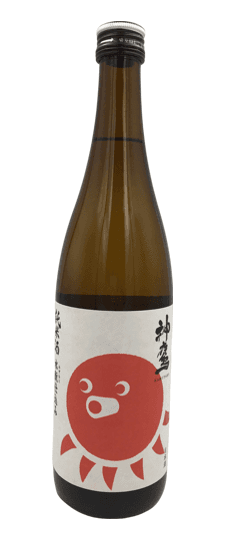
This nicely tart sake has scents and flavors of green pear, whipping cream, anise (at the back of the throat), clean acidity and light ginger spice. Quite a bit going on here for very little $. Extremely delicious!
Founded in 1855 in Yuzawa, Niigata, Shirataki Shuzo produces the Jozen Mizuno Gotoshi range in one of Japan’s snowiest areas. This 300ml namazake is unpasteurized, while its junmai ginjo classification denotes sake made without added distilled alcohol and with rice polished to 60% or less of its original weight.
Ilaka Sake Atelier represents a new chapter in a brewing tradition that dates to 1665. After the original brewery closed, master brewer Katsumi Tanaka took over its brewing license and established Ilaka in the village of Matsukawa, Nagano, in 2024. His small-scale operation focuses on local rice and exceptionally soft mountain water filtered through the granite soils of the Northern Alps. Silver-Black is the original expression in Ilaka’s Silver Series, conceived to showcase the ingredients and landscape of Matsukawa. It is made with locally grown Hitogokochi rice, both white and yellow koji, and a combination of Nagano and proprietary yeasts. The sake is pressed in a Yabuta press, bottled without charcoal filtration and pasteurized in bottle. It is offered as genshu, without dilution after pressing, at 15% ABV.
Yoshimura Hideo Shoten was founded in Wakayama in 1915, when Hideo Yoshimura returned from the celebrated Nada brewing district and converted a former kimono workshop into a sake brewery. Its Kurumazaka range, introduced in 2017, takes its name from the historic pilgrimage road near the brewery in Iwade. Production is led by master brewer Akiko Fujita, who spent nine years studying under renowned brewer Naohiko Noguchi. This Tokubetsu Junmai combines Hyogo-grown Yamadanishiki for the koji with Nagano-grown Miyamanishiki for the main fermentation, both polished to 60%. It is brewed with water from the Kinokawa River, a sokujo starter and yeast No. 1401, then pressed in a Yabuta, filtered through cloth and pasteurized. Bottled at 15.9% ABV.
New
Tenryohai is based on Sado Island, part of Niigata Prefecture but separated from mainland Honshu by the Sea of Japan. Its “Utashiro Gekka – Moonlight” offers a connection to the island side of Niigata’s long-established sake culture, presented in a 720ml bottle.
Tenryohai’s brewery on Sado Island traces its origins to Sado Meijo, a venture formed by two historic island producers. Renamed Tenryohai in 2008, it found new direction when Senichi Kato acquired the struggling brewery in 2018. Kato developed the Utashiro range around a modern interpretation of Niigata’s light, clean style, using long, cool fermentations to produce sake with naturally modest alcohol levels. Narukami, or “God of Lightning,” is made with Sado-grown Yamadanishiki for the koji and Ipponjime for the main fermentation, along with underground spring water sourced from Mount Kinpoku snowmelt. The brewery uses its proprietary TRH01 yeast and a Ko-on Toka starter. Pressed in a Yabuta and pasteurized in bottle, this genshu is undiluted after pressing and bottled at 13.5% ABV.
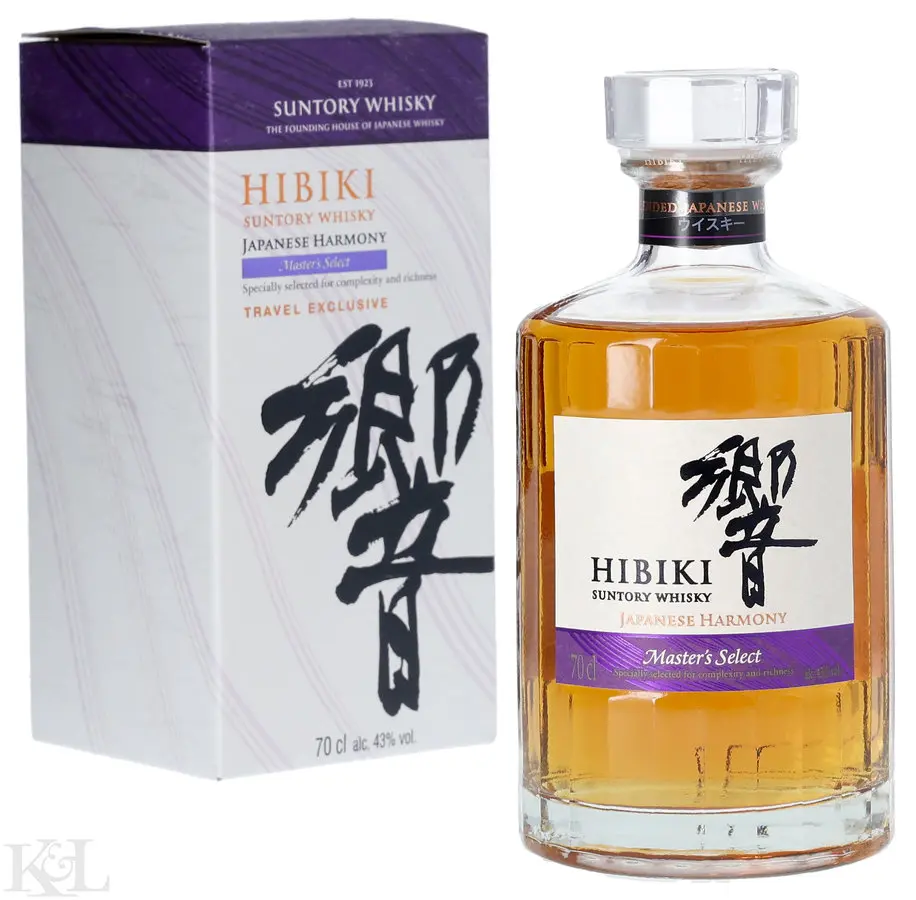
Bid on this bottle of Hibiki Japanese Harmony "Master's Select" Limited Edition Japanese Whisky (700 ml). Hibiki Harmony “Master’s Select” is a Japanese blended whisky released in 2015 by Suntory for global travel retail. It is crafted from a blend of ten malt and grain whiskies sourced from Suntory’s Yamazaki, Hakushu, and Chita distilleries. These whiskies are aged in five types of casks, including American white oak, sherry, and rare Mizunara oak. Bottled at 43% ABV with no age statement, it emphasizes a richer sherry cask influence compared to the standard Hibiki Harmony.
Starting Bid
Ends 11/14/26 7:40PM PT
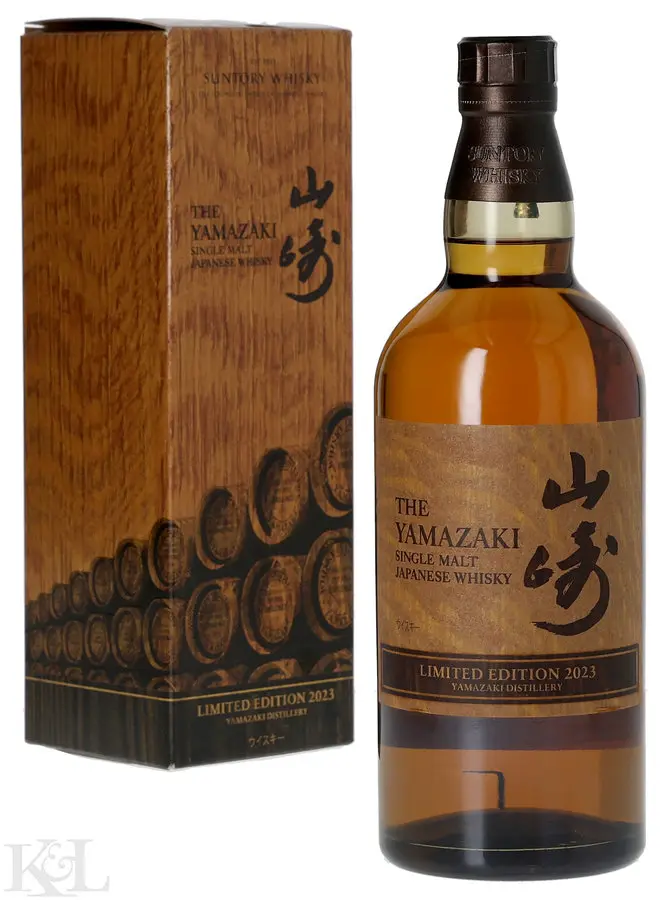
Bid on this 1-700 ml bottle lot of Yamazaki Limited Edition - 2023 Single Malt Japanese Whisky (700ml).
Starting Bid
Ends 11/14/26 7:30PM PT
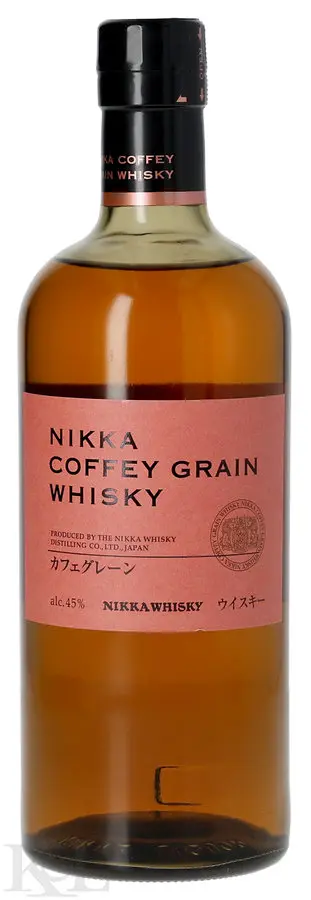
Bid on this bottle of Nikka "Coffey Grain" Japanese Whisky (92WA, 90WE). Whisky Advocate: "Sweet, with subtle, crisp, nutty oak, then comes fudge, ripe banana, and peach. The overall effect is like eating vanilla ice cream with toffee fudge and hazelnut sprinkles. The structure is thick and physical, the palate sweet and quite fat, with light hints of raspberry, fruit salad. A jag of acidity freshens the delivery on the finish. With water there’s more toffee, and it becomes slightly more yielding, with less oak. For me the gold standard of grain. (DB, Fall 2015)"
Starting Bid
Ends 11/14/26 7:30PM PT
Join our list
Exclusive offers, new arrivals, and expert picks