

Search Results
- Oaxaca
100+ Results
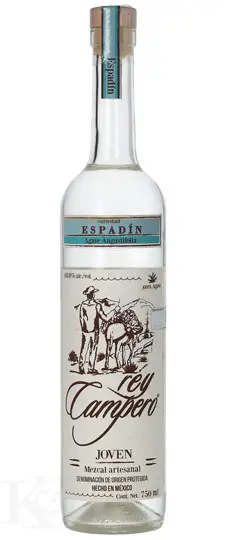
This excellent Mezcal has a clean clay nose with minerals, salt, soy bean and mineral oil. There are initial flavors of pepper, vanilla cream and bright citrus. It finishes with ashy flavors and light menthol. An excellent sit around and sip it Mezcal.
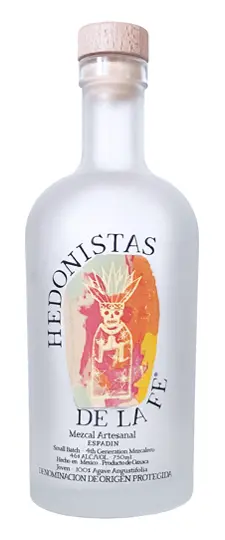
I hesitate to call this an introductory mezcal—it feels like that would sell short its wonderful complexity—but it’s undeniably approachable and easy to drink. The nose is bright and inviting, bursting with citrus and tropical fruit notes like papaya and banana, and even a hint of those vanilla Tootsie Rolls (you know, the ones in the blue wrapper). On the palate, it leans more herbaceous and earthy, with flavors of peppercorn, peppermint, and grapefruit. It’s both easy and intriguing, equally at home next to a crisp Mexican lager or stirred into your favorite classic cocktail.
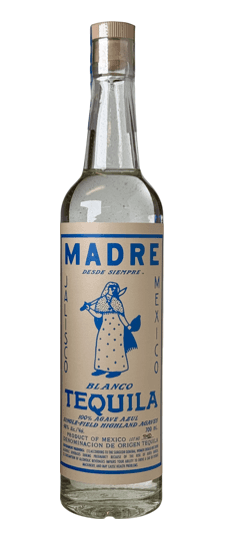
Mexico’s protected tequila category is made from Blue Weber agave in authorized production areas. Blanco tequila is bottled without barrel maturation or rested in oak for no more than two months. Madre Blanco presents this foundational tequila style in a 700ml format.
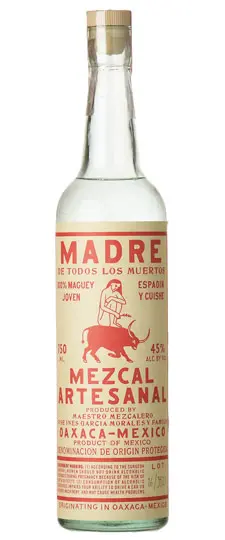
Madre’s Oaxaca ensamble brings together Espadín and Cuishe agaves in a single mezcal. In mezcal terminology, an “ensamble” combines multiple agave varieties, highlighting a longstanding Oaxacan approach in which different agaves are produced together rather than bottled as separate varietal expressions.
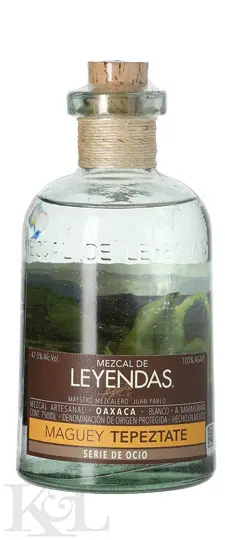
Tepeztate is the common name for Agave marmorata, a species used in Oaxaca’s mezcal tradition. Unlike tequila, which is made from blue Weber agave, mezcal can be produced from a range of agave species. This Oaxacan release from Mezcal de Leyenda’s Serie de Ocio puts tepeztate at the center.
Compare to $100 Elsewhere
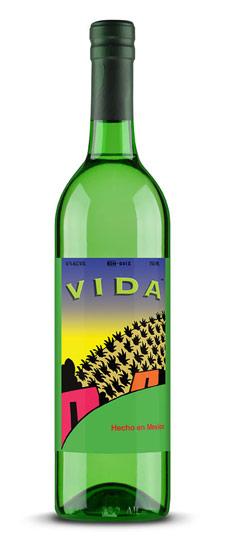
This clear and light-bodied mezcal has a faintly smoky aroma and a mildly peppery flavor. A potent, alcoholic finish fades into black pepper. (KN)
Alambique Serrano is produced by the Krassel family in the mountains of Oaxaca, a region better known internationally for mezcal. Their work highlights another strand of Oaxacan distilling: rum. This “Vida Nativa – Zacua” release comes from a single barrel, designated #6, and is presented in a 700ml bottle.

This is one of the most extraordinary agave stories we've encountered in years. In 1993, shortly after the birth of his son Emanuel, mezcalero Victor Ramos planted a field of Madrecuixe in Mengolí de Morelos, Miahuatlán. Farming, distilling and raising a family eventually took priority, and the field was effectively abandoned, left to compete with grasses and wild plants for decades. Madrecuixe in Mengolí normally matures in roughly 9 to 11 years and can reach two meters in height, but these neglected plants grew extraordinarily slowly and remained only about half that size even at maturity. In the fall of 2023, after Emanuel had celebrated his 30th birthday, Victor finally harvested the first of those agaves, affectionately calling them "Niños Viejos," or "old boys," for their remarkable age and stunted appearance. The agaves were cooked for six days in a 15-ton pit with encino, guamuche and mesquite, milled by tahona, fermented for 3 to 8 days in sabino and oak vats using well water, then twice distilled in two 275-liter copper alambiques equipped with refrescaderas. Bottled in October 2023 at 50.5% ABV, the entire batch yielded just 401 bottles. This is precisely the sort of tiny, deeply personal production that makes traditional mezcal so compelling, a spirit literally three decades in the making.
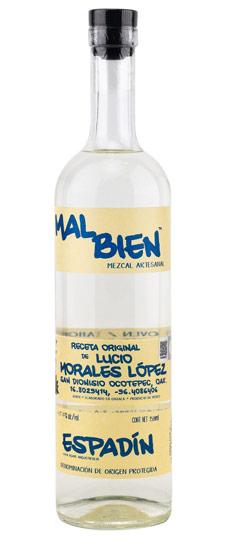
Don Lucio and his sons represent the third and fourth generations of mezcaleros in the Morales Family. They produce a beautiful, easy drinking mezcal that is uniquely their own, yet appealing to all. Complex enough to be enjoyed on its own, but the slightly higher proof allows it to shine through in cocktails where most of the cocktail priced offers can easily get lost. Expect a nose of roasted bbq, tropical fruit, elote, citrus peel, and pine resin. On the palate savory leather, wild fruit, and flambéed banana. The finish is long and satisfying with a mineral kick and a balanced smokiness at the end.
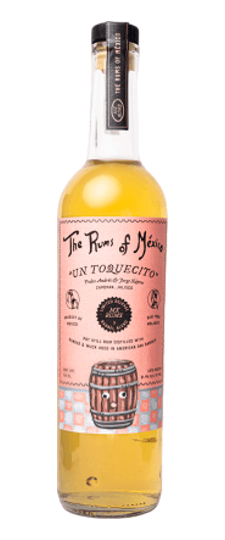
The Rums of Mexico brings together small producers working in both traditional and contemporary styles, showcasing the diversity of Mexican cane spirits. Among its most experimental distillers are Pedro Andrés and Jorge Nájera, two first-generation producers who run the small Satvrnal distillery in Zapopan, on the outskirts of Guadalajara. There, they make gin, absinthe and other spirits alongside small batches of molasses rum on a custom hybrid pot and column still. Their Melaza con Muck drew inspiration from the high-ester rums of the Caribbean; Un Toquecito is its lightly aged successor. This three-barrel blend combines pot still rum made with dunder and young muck. Two barrels spent two years in ex-Bourbon casks, followed by 11 months resting in open-top demijohns. The third, distilled with young muck, spent five months in an American oak ex-rum cask. The name means “a little touch,” referring to the time in oak. Bottled at 51.1% ABV.
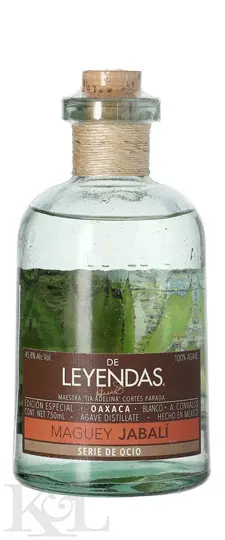
Unlike tequila, which is made from blue agave, mezcal can draw on a wide range of agave species. This artisanal expression from Mezcal de Leyenda showcases Jabalí, connecting a distinctive agave variety with the Oaxacan community of San Baltazar Guelavila.
Compare to $200 Elsewhere
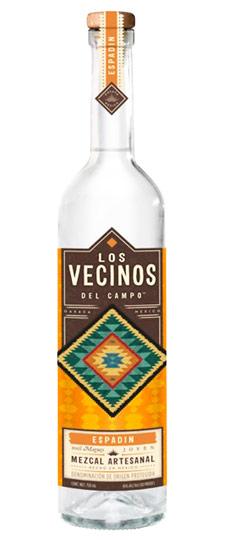
Los Vecinos Del Campo is the new mezcal project from Sazerac and Carmen Villareal of Casa San Matias. As with any upstart mezcal brand our first instinct is to tread with caution. There's alot of opportunity to get things wrong when bringing a new mezcal to market, but we're extremely happy to note that our friends from New Orleans avoided all of them. Instead, we get an incredible affordable authentic artesenal mezcal from the village of San Miguel Ejutla in Oaxaca's central valley. Carmen's connections to the area go way back and she was able to identify a cooperative of grower distillers in the village who could provide extremely high quality mezcal and very reasonable prices. There is an emphasis on sustainable cultivation and respect toward the land and the incredible people who work so hard to produce this wonderful elixir. The distillery is owned collectively by ten growers who farm individual plots around the village before hand harvesting and traditional underground roasting. The agave is pressed on the stone "molino" and fermented naturally in wooden vats before double distillation in hand built copper pots. A very well balanced style with plenty of tropical agave fruit to balance out the roastiness. Bold spicy, zippy citrus peel and roasted peppers on the palate moving toward a smoky grassy finish. Bottled at a generous 90 proof. Accolades from critical press include 5 Stars from the illustrious F. Paul Pacult and 94 points from the Ultimate Beverage Challenge.
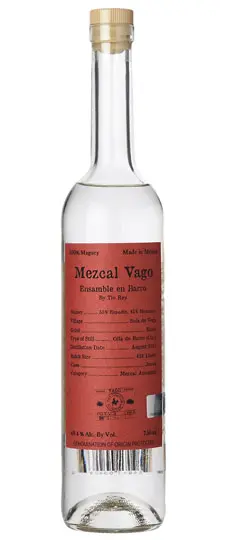
This is the real deal clay pot distilled mescal. Tio Rey does it again with this stupendous oily unctuous funky style. Sweet agave fruit dense mesquite smoke and tons of vegetal earthiness. An absolute pleasure to drink although it can kind of take over you night/life if you're not careful.
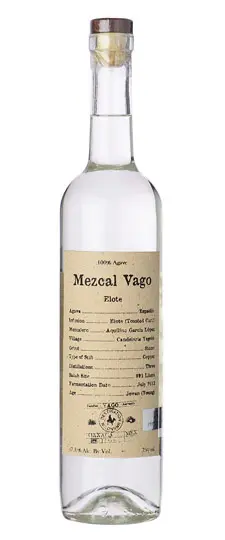
*96 points, Ultimate Spirits Challenge Top 100 of 2020* Mezcal Vago is the business creation of Judah Kuper in conjunction with his in-laws in Oaxaca - a family of distillers that have been making mezcal for generations. Vago marks the first time their products have been available commercially, having previously been consumed solely by friends and family. The Elote is the classic Espadin expression from Judah's father-in-law Aquilino García López macerated with toasted Mexican corn. Like other producers use Pechuga (chicken breast) to add flavor, the toasted corn creates a creamier, softer mouthfeel that is insanely tasty and addictive. Overall, the Vago mezcales are some of the most exciting new spirits we've seen from Mexico in years and we couldn't be more excited about offering them to our customers. Now distilled by Aquilano Garcia Lopez's children after his tragic and untimely death in 2020.
Product details coming soon.
Limit of 1 Per Customer
Alambique Serrano is rooted in the Krassel family’s rum-making tradition in Oaxaca’s mountainous Sierra Mazateca. In a state renowned for mezcal, its rums highlight a different distilling heritage built around sugarcane rather than agave. “Vida Nativa – Mariposa Vitral” Blend #2 carries that Oaxacan identity in a 700ml bottling.
Limit of 1 Per Customer
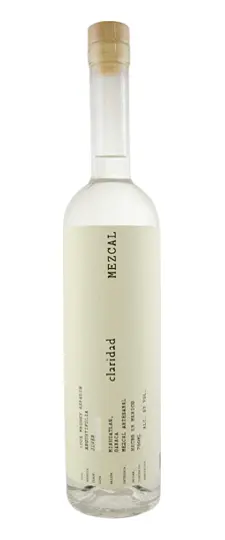
Espadín, the common name for Agave angustifolia, is the most widely cultivated agave used for mezcal in Oaxaca. Claridad Espadín Mezcal places that foundational agave at the center of a 700ml Oaxacan distilled spirit, connecting the bottle directly to Mexico’s principal mezcal-producing region.
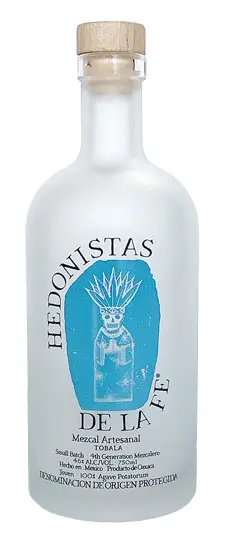
Tobalá mezcals are some of my favorites. This wild agave varietal grows only at high altitudes, takes 12–15 years (or more) to mature, is smaller than other agaves, and is primarily wild-harvested. That makes it all the more challenging—but also all the more rewarding. This wild expression from Hedonista shows off the classic tobalá characteristics: creamy and zesty, fruity and earthy, floral and sweet, herbaceous and funky. On the nose, you're met with mango sherbet, fresh-cut garden mint, orange peel, and rose geranium. The palate brings peppery spice and sweet berries, layered over bold minerality and a rich, velvety texture—with barely a wisp of smoke. It’s a fantastic sipper, and exactly what you want from a great tobalá.
San Luis Amatlán belongs to Oaxaca’s Miahuatlán district, within the mountainous Sierra Sur region. From producer Reina Sanchez, Rezpiral’s “Series 9” brings together Pulquero and Coyote agaves in an uncertified Oaxacan mezcal, highlighting both its maker and the agave diversity behind the region’s distilling traditions.
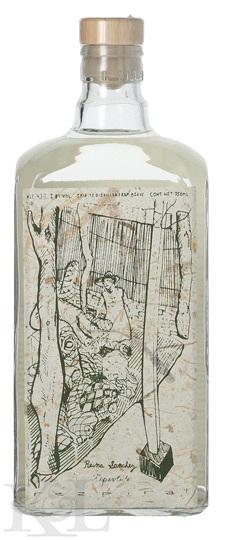
Tepextate is a regional agave name commonly associated with Agave marmorata, a species native to Mexico. Rezpiral’s Series 9 release features a distillation by Reina Sanchez of San Luis Amatlán, a community in Oaxaca’s Miahuatlán district with deep ties to traditional agave spirits.
Oaxaca’s long tradition of cane distillation frames this sixth-edition release from Alambique Serrano. Presented at still strength and identified as a single-origin aguardiente tradicional, “Cartier 30” offers a focused look at Mexican rum through a distinctly Oaxacan category and sense of place.
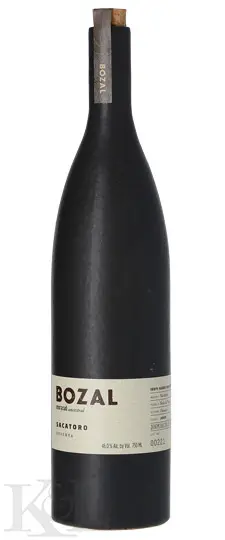
Clay-pot distillation over direct fire is a defining requirement of mezcal’s regulated Ancestral category, distinguishing it from production using copper stills. Bozal’s Sacatoro Ancestral Reserva pairs that traditional method with Sacatoro agave, the plant that gives this Mexican mezcal its name.
Compare to $100 Elsewhere
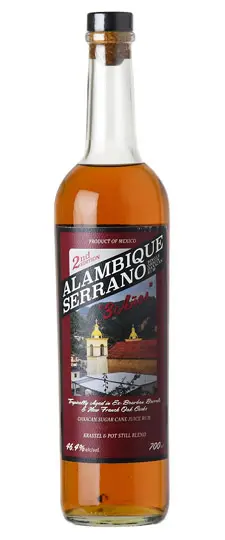
Made in Oaxaca from sugar cane juice rather than molasses, Alambique Serrano’s “3 Años” highlights a distinctly agricultural route to rum. This second-edition, single-origin Mexican bottling carries a three-year age statement and comes in a 700ml format.
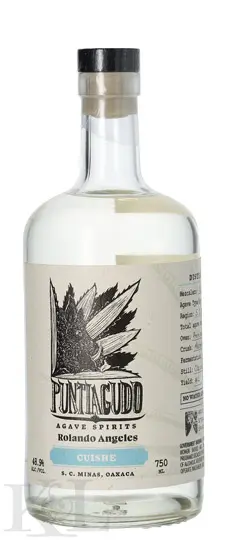
This exceptional ancestral mezcal comes from Santa Catarina Minas in Oaxaca and was crafted by Maestro Rolando Angeles, whose family has preserved traditional mezcal methods for generations. Made from wild agave Cuishe, known locally for its tall, slender growth and intense mineral driven character, this bottling captures the raw expression of one of Oaxaca’s most revered agave varieties. The agaves were harvested at full maturity after approximately eight to ten years, yielding just under four metric tons for this batch. The piñas were roasted for five days in a traditional conical earthen oven using native hardwoods, then crushed entirely by hand with machete and wooden mallets, an ancestral technique that preserves texture and depth. Fermentation took place naturally in open air oak vats with pure well water and indigenous yeasts over nine days. Distillation was carried out on March 8, 2022, in a 100 liter clay pot still, producing a spirit of remarkable clarity and mineral tension. The mezcal was then rested in glass for more than three years before bottling, allowing the flavors to integrate and soften. Only 156 bottles were produced. The nose offers fresh citrus and green vegetal notes, while the palate shows ripe fruit, subtle smoke and a persistent stony finish. A rare and contemplative mezcal best enjoyed neat.
Rey Campero takes its name from the Spanish for “King of the Countryside.” Based in Candelaria Yegolé, Oaxaca, the producer carries on the Sánchez Parada family’s multigenerational mezcal-making tradition—a heritage represented here by its Chuparossa mezcal.
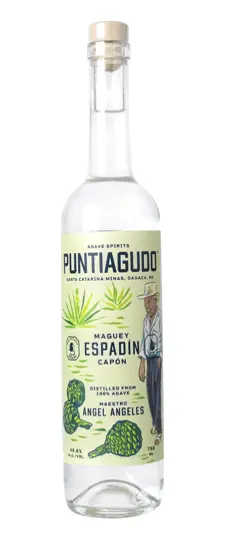
Ángel Angeles makes this Espadín spirit in Santa Catarina Minas, an Oaxacan community closely associated with clay-pot distillation. “Capón” refers to agave whose flowering stalk has been cut before harvest, while “ancestral” identifies a production tradition centered on labor-intensive, preindustrial methods.
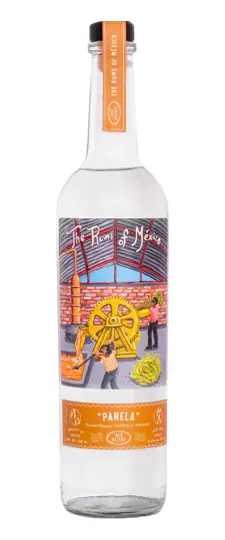
Panela begins with a familiar Mexican agricultural product and follows it somewhere far less familiar. Producer Orlando Vásquez presses freshly cut sugarcane, slowly boils the juice into syrup, and pours it into cone-shaped wooden molds to harden into unrefined whole cane sugar, known as panela or piloncillo. Those cones are subsequently rehydrated with spring water and fermented, creating the base for distillation in his wood-fired, four-plate continuous copper still. Orlando’s family has long specialized in panela production, and he began experimenting with distilling it more than a decade ago. This expression makes that history central to the process, offering a fascinating comparison with his fresh-cane-juice Caldo. It’s another compelling reminder that rum’s diversity begins well before the spirit reaches the still.
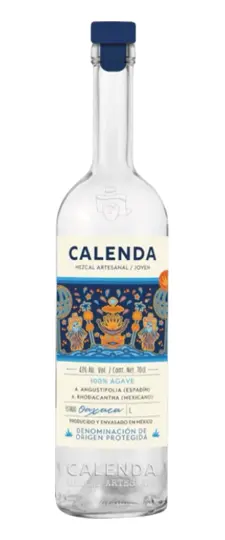
Oaxaca is Mexico’s leading mezcal-producing state and a historic center of agave distillation. Calenda Artesanal Mezcal takes its name from the region’s festive calendas—colorful public processions traditionally accompanied by music and dancing—linking this 700ml bottling to a distinctive element of Oaxacan cultural life.
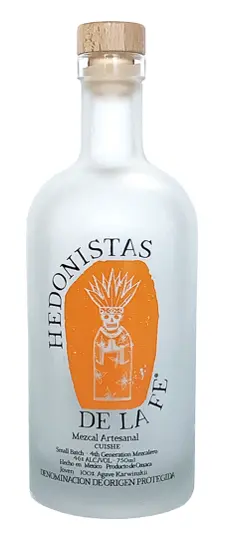
Hedonista is a small batch mezcal made by Maestro Gerardo "Kain" Santiago Hernandez in Santiago Matatlan. The wild harvested Karwinskii agave are hand harvested after 13-15 years before being processed in the traditional method - roasted in earthen mounds, mashed with a stone wheel, and fermented in traditional open-air wooden vats. Tastings notes from the bottler,"Flower blossom forward, with gentle notes of lychee fruit on the nose. Gentle smoke and anise spice up front, very sake-like in mid-palate. The taste is floral, with a long and balanced finish. With plum and dried fruits and a soft mouthfeel, this is an elegant mezcal. serve neat with aguachile, ceviche or a meze platter."
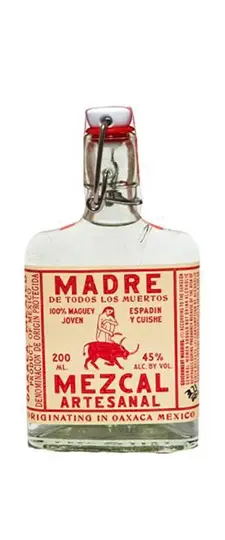
Madre Mezcal hails from the tiny village of San Dionisio Ocotepec. In between Chichicapam and Matatlan, the village is in the heart of Mezcal country. The Garcia Morales family has been growing agave for generations here and they make one of the most balanced and inviting mezcals we've ever come across. A blend of estate grown Espadin and wild harvest Cuishe, the agave is cooked for days over pine. After being pressed in the traditional tahona, the juice is fermented naturally over the course of nearly two weeks and distilled twice in copper potstills. Distiller José Ines Garcia Morales began with the mission of providing his friends and family with the vehicle for personal guidance and celebration, and we're happy to go on that journey with him.
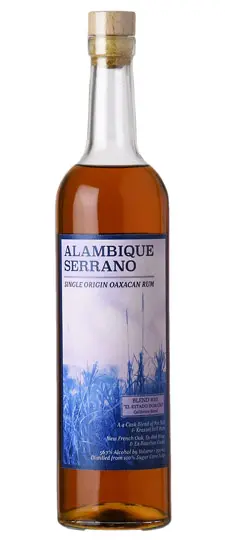
Alambique Serrano is redefining what Mexican rum can be, and this latest release from Oaxaca shows why the project has become one of the most compelling new spirits programs anywhere. Blend #10, “El Estado Dorado,” is crafted from Java varietal cane grown high in the Sierra Norte around Santa María Talixtac at 2,500 to 3,800 feet above sea level. Fermented in stainless steel and pine tanks with ambient yeasts, the rum was distilled by Los Hermanos Krassel and assembled in an intricate marriage of styles. The blend combines four distinct components: 29% rum aged 28 months in new French oak and finished 10 months in ex–red wine casks, 28% rum aged 23 months in new French oak and likewise finished in red wine casks, 27% rum aged 38 months in ex–bourbon, and 16% pot still rum aged 22 months in new French oak, uniquely resting in a “Night on Earth” cask. The result is a deep, textured spirit that balances the richness of French oak spice with the structure of American bourbon barrels and the vinous lift of red wine cask finishing. With no water, sugar, or coloring added, this is pure cane expression, bottled at natural strength. Just 907 bottles were produced, blended by Maxwell Reis of Mírate in Los Angeles alongside Jason Paul Cox of Alambique Serrano exclusively for California. Bottled in June 2025, it stands as one of the most exciting limited editions of the year and a benchmark for single origin Oaxacan rum.
Rey Campero is rooted in Candelaria Yegolé, Oaxaca, and the Sánchez family’s multigenerational mezcal-making tradition. Fusion Criolla carries the village’s name, placing its origins front and center. It belongs to Mexico’s diverse mezcal category, which, unlike tequila, permits a range of agave species.
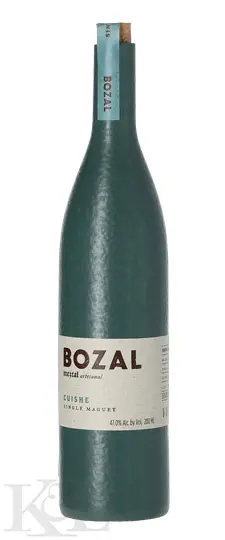
Cuishe belongs to Agave karwinskii, a species recognized for its upright, trunk-like growth. Bozal’s Cuishe mezcal showcases this agave in an expression from Oaxaca, one of Mexico’s principal mezcal-producing states. The 200ml bottle presents this agave-specific mezcal in a smaller format.
Compare to $40 Elsewhere
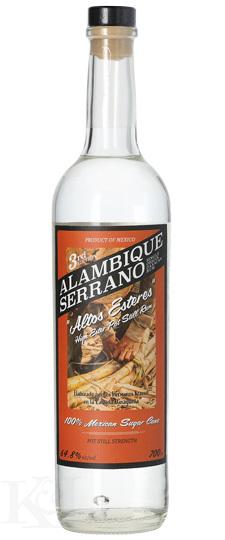
From Oaxaca, Alambique Serrano’s Altos Esteres is a single-origin traditional aguardiente presented at still strength. Its high-ester designation and production-focused identity place the emphasis squarely on Mexican cane-spirit tradition, offering a distinctive perspective on rum from southern Mexico.
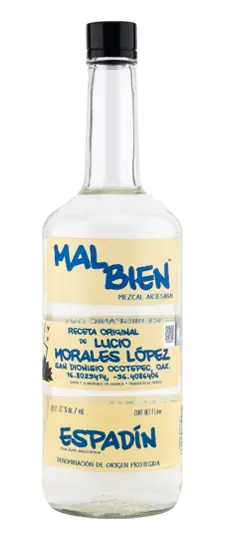
Don Lucio and his sons represent the third and fourth generations of mezcaleros in the Morales Family. They produce a beautiful, easy drinking mezcal that is uniquely their own, yet appealing to all. Complex enough to be enjoyed on its own, but the slightly higher proof allows it to shine through in cocktails where most of the cocktail priced offers can easily get lost. Expect a nose of roasted bbq, tropical fruit, elote, citrus peel, and pine resin. On the palate savory leather, wild fruit, and flambéed banana. The finish is long and satisfying with a mineral kick and a balanced smokiness at the end.
Parejo offers a remarkable window into the distilling traditions of northern Mexico, and Bienvenido Fernández’s Maguey de Cerro is a particularly compelling example. A fifth-generation maestro vinatero, Bienvenido spent years traveling the mountains with a donkey carrying his copper still, making sotol, lechuguilla, and ensambles from the plants he encountered. This expression is an agave spirit made entirely from wild Maguey de Cerro gathered near Madera, Chihuahua, where coniferous forests meet the high desert at approximately 6,900 feet. The plants reach around 15 years of maturity before harvest. Their piñas are roasted underground with pine wood in a conical oven covered with volcanic stones, then mechanically crushed. Fermentation proceeds naturally with ambient yeasts for seven to ten days in stainless steel vessels, tombas, and pine-lined pits. The fermented material is distilled twice in a stainless steel alembic with a copper condenser, using pine wood for the first pass and gas for more precise temperature control during the second. Bienvenido adjusts the final strength with colas, the tails of the distillation, and releases receive additional rest in glass. It’s an extraordinary combination of wild mountain agave, patient production, and knowledge passed down through five generations.
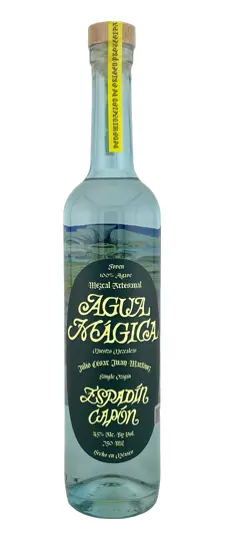
This Espadín Capón from San Juan del Río in the Tlacolula Valley is a smartly conceived mezcal that bridges serious artisanal production with real world versatility. Made by sixth generation mezcalero Julio Juan using fully traditional methods, the agaves are grown at high altitude on mineral rich volcanic soils and harvested after 7 to 8 years using the capón method, where the quiote is cut before flowering to concentrate sugars in the piña. The agaves are roasted in an underground earthen pit with white oak, stone milled by a 500 kilo tahona, fermented with native yeasts in large pine vats, and double distilled in copper pot stills. Bottled at a robust 45% ABV, the profile is bright, peppery, and expressive, with aromas of fermented pineapple, palo santo, and citrus, followed by a palate that balances white chocolate richness with lime peel and eucalyptus freshness, finishing on bitter orange, charred poblano, and coffee bean. While approachable enough to enjoy neat, this mezcal truly shines in cocktails, where its structure and intensity stand up beautifully to citrus, bitters, and sweeteners without losing its agave driven core. Single origin, not a blend, and priced to deliver real value, this is a thoughtfully made Espadín that respects tradition while delivering exactly what bartenders and mezcal lovers alike are looking for in a modern, cocktail focused mezcal.
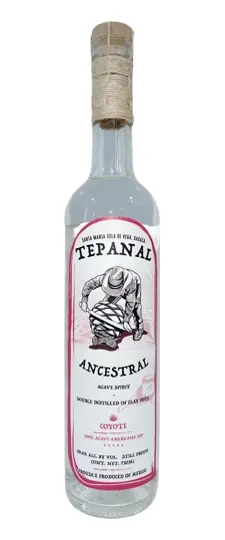
The rare Coyote release is a concentrated expression of the rugged americana sub species that grows in the hills around Tepanaltepec. These plants require long maturation and produce low yields, making the batch size especially small. After harvest, the agaves were roasted in the family’s stone lined pit using regional wood and heated river stones, then left to rest under earth and banana leaves for a three day cook that develops deep rustic flavors. Milling was performed to suit the dense fibers of Coyote and fermentation proceeded naturally in wood vats for as long as local temperatures allowed, up to fifteen days. Double distillation in clay pots produced a bold spirit shaped entirely by Rafael’s manual control of each cut. Aromas of earth, cacao shell, leather, roasted maguey, and dry forest notes lead into a palate of dark chocolate, burnt sugar, pine resin, cracked pepper, and roasted nuts. The finish is long, smoky, earthy, and powerful. A singular, collector level batch that captures the intensity of both the agave and the ancestral method.
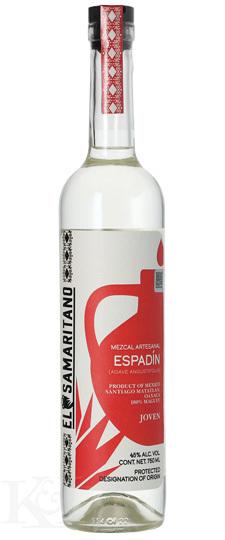
Ambrosio Martínez Blas produces this Espadín mezcal in Santiago Matatlán, an Oaxacan community renowned for its long association with mezcal production. El Samaritano carries Mexico’s regulated “artesanal” mezcal classification, distinguishing it within the denomination of origin and connecting the bottling to one of Oaxaca’s principal mezcal-making towns.
Top Pick
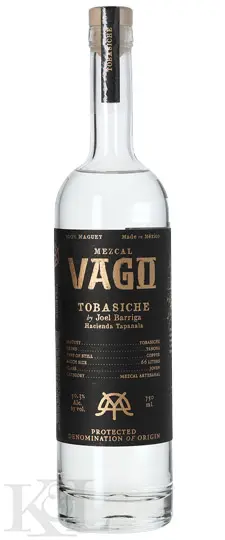
Tobasiche is a traditional Oaxacan name associated with Agave karwinskii, a species recognized for its distinctive trunk-like growth. This batch of Mezcal Vago was made by mezcalero Joel Barriga at Hacienda Tapanala in Oaxaca and bottled as a K&L exclusive, preserving clear ties to its maker, agave, and place of production.
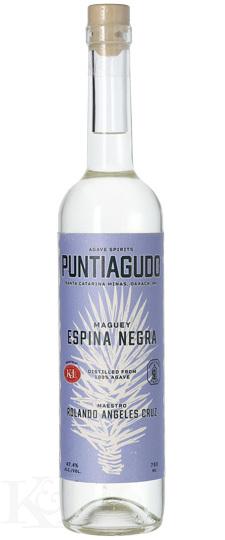
This K&L-exclusive batch from Roland Angeles centers on Espina Negra, identified as Agave karwinskii, and comes from Santa Catarina Minas, Oaxaca. Released as uncertified mezcal, it carries a precise statement of maker, agave, batch, and origin from a village with a long-established mezcal tradition.
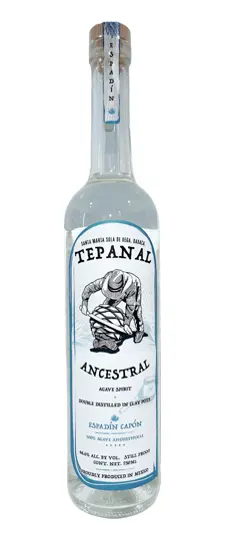
The García Quiroz family has produced agave spirits in Santa María Sola de Vega for three generations, relying on conical stone ovens, Montezuma wood vats, and double clay pot distillation that defines the region’s ancestral style. This small 225 liter batch was distilled by Maestro Rafael García Aragón in December 2024 using capón stage Espadín, harvested after the quiote was cut and the plant was left to continue concentrating sugars for months or years. The agaves were roasted three days over river stones and local firewood, then milled by hand or electric shredder depending on fiber resistance. Fermentation relied solely on wild yeasts in open wood vats with mountain stream water added in stages to control temperature and extraction. Distillation was performed in olla de barro with Rafael using a venencia and jícara to monitor the cuts without adjustments. The spirit opens with green agave, citrus peel, light smoke, herbs, and mineral notes. The palate is silky with candied citrus, roasted agave, pepper, mint, and stone driven freshness, finishing long and clean with subtle smoke. A precise and expressive benchmark for Sola de Vega clay pot distillation.
Espadín, the cultivated name commonly used for Agave angustifolia, is Oaxaca’s most widely planted mezcal agave. “Capón” refers to a traditional practice in which the emerging flowering stalk is cut, keeping the plant from expending its stored energy on reproduction before harvest. Claridad presents this expression in a 700ml bottle.
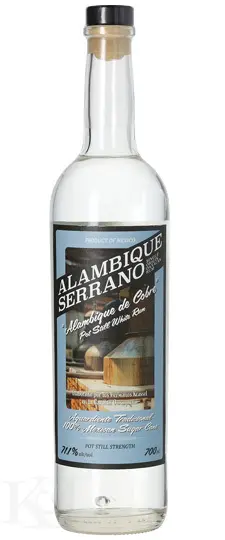
Alambique Serrano comes from Santa María Tlalixtac in Oaxaca’s Cañada region, where the Krassel family continues a multigenerational sugarcane-distilling tradition. This single-origin traditional aguardiente is presented at copper-still strength, connecting the region’s cane cultivation with its longstanding heritage of small-scale distillation.
Back In Stock
Santiago Matatlán, in Oaxaca’s Tlacolula district, is widely recognized as a historic center of mezcal production. Mi Gusto Es “Puro Capon” is an artisanal mezcal rooted in this celebrated Oaxacan community and presented in a 750ml bottle.
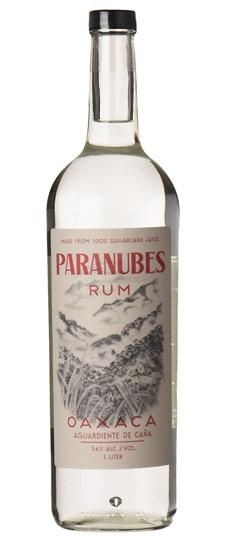
From the misty Mazateca mountains of Oaxaca comes a rum so beautifully expressive of sugar cane that it might just make people forget about agave. Paranubes is made in a high-altitude 'cloud forest' about six hours by car from Oaxaca City. Four varieties of cane are harvested in the forested hills, transported out by burro, then driven to the distillery. The fresh-pressed cane juice is fermented naturally in pine vats, then moved to a copper column-still fired by spent cane fiber. The rum is distilled to proof: nothing added or removed. The result is smooth, round and sweet--not as funky as rhum agricole and more elegant than cachaça. It’s complex and smooth enough to sip neat, but the silky texture makes for an irresistibly sleek daiquiri. *Year's Best Spirits 2017* (JM)
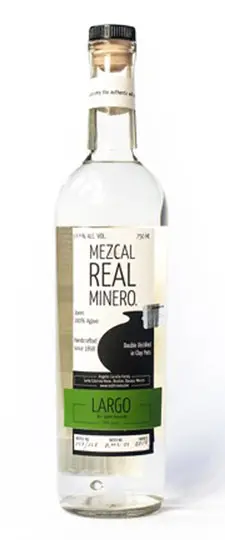
Real Minero is widely considered one of the finest mezcal producers. The Mendoza family has farmed Agave for decades but they've been distilling since the 70s and become one of Mexico's most sought after producers. Using clay pot stills, they produce one of the cleanest highest quality products around, but only about 300 liters per month so stocks are tight. It's certified organic, Oaxacan owned and absolutely delicious. Graciela Angeles Carreño heart and soul of the operation. She's a renowned mezcal expert and one of the regions most beloved champions. While she's definitely in business, she's well aware that the increased interest in Oaxacan Mezcal is both a blessing and a curse for this delicate artisanal-agricultural product and region. That is why they've taken extreme care to limit growth and expand into markets slowly while keeping quality high, instead of relying on their good name to push out product as fast as possible. The largo has a unique character that sets it apart from other Karwinski variants (like Cuishe, Madrecuishe, and Barril). It shows wild savory notes, salty spices and more pommace fruit than tropical. Very high acid and textural, it's got one of the most unique mouthfeels of any spirit, waves of flavors ripple across the palate, almost as if you'd consumed a living thing. It may not be alive, but this stuff has got a soul to spare without a doubt.
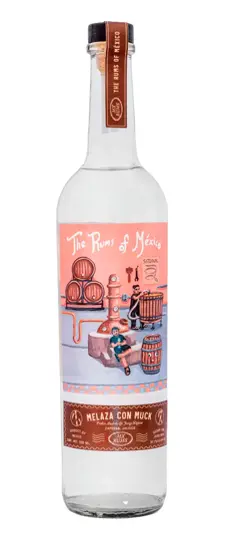
The experimental side of Mexican rum is on full display in Melaza con Muck, produced by Pedro Andrés and Jorge Nájera at Satvrnal in Zapopan, Jalisco. These first-generation distillers run a small operation outside Guadalajara, making everything from gin and absinthe to banana eau-de-vie. For this release, they looked to the high-ester rums of the Caribbean for inspiration, developing their own muck recipe and incorporating it into a 15-day fermentation with high-grade melaza clara. The fermented mash was then distilled in their custom copper hybrid pot-and-column still. The Rums of Mexico describes this release as the international debut of the distillery’s rum mark. It’s a particularly exciting example of contemporary Mexican distillers exploring fermentation and adapting ideas from the wider rum world to their own production.
Join our list
Exclusive offers, new arrivals, and expert picks