Search Results
- Loire
100+ Results
Top Pick
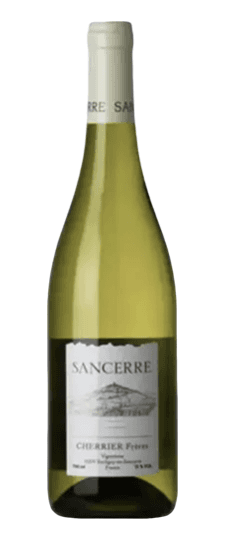
We've worked with brothers Jean-Marie and François Cherrier for more than 20 years, and their wines remain one of the benchmarks for value in Sancerre. For us, they've long served as a lodestar for what classic Loire Valley Sauvignon Blanc should be. It was great to reconnect with the family at Wine Paris earlier this year and taste through the new releases. As the next generation becomes increasingly involved in the domaine, the Cherriers are finding exciting new ways to build upon a tradition that has made them one of our most trusted partners. The 2025 vintage was a challenging one, with reduced yields across much of the region. Fortunately, our long-standing relationship has helped preserve the majority of our allocation, even if quantities are a bit tighter than usual. The new Sancerre captures everything we love about the estate's style. Aromas of Meyer lemon and ruby red grapefruit lead the way, followed by hints of nectarine, wild thyme, and white flowers. The palate shows impressive ripeness and polish, delivering generous texture and concentration without sacrificing freshness or balance. Year after year, this remains one of the most re-ordered wines in the category. If you've yet to discover what makes Cherrier such a perennial favorite, the outstanding 2025 vintage is the perfect place to start.
Top Pick
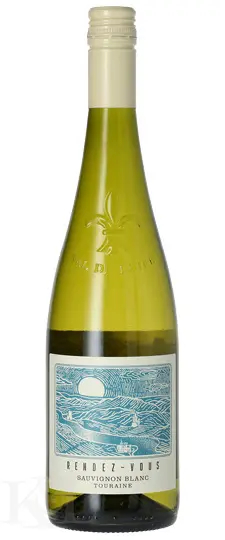
Welcome to the newest addition to our Rendez-Vous collection: Touraine Sauvignon Blanc. Why did we choose Touraine? Simply put, it offers one of the greatest values for Sauvignon Blanc anywhere in the world. The region's clay-limestone and calcareous soils share many similarities with those of its far more famous neighbor a couple of hours to the east—Sancerre. As prices in Sancerre have continued to climb, many of its top producers have turned to Touraine to craft their value-focused wines. We realized we could do the same. So we reached out to one of our longtime partners with a simple proposition: let's take one of our favorite everyday Touraine bottlings and create the next Rendez-Vous. If you've been a fan of Roches Touraine over the years, here's a little secret—you've found it. This wine is the foundation for the project. I've been buying and tasting these wines for well over a decade, and they've never disappointed. The 2024 is everything I look for in Touraine: sleek, vibrant, and mineral-driven, with notes of lemon oil, fresh verbena, and a lightly chalky finish. There's also a subtle tropical lift that I always love in Touraine Sauvignon Blanc. It gives the wine an open, inviting personality that's equally at home on a Tuesday night or at a weekend gathering. That's exactly what Rendez-Vous is meant to be: exceptional quality at an everyday price. One of our goals with this label is to redefine what a daily-drinking wine can be by leveraging the long-standing relationships we've built with outstanding growers to deliver remarkable value without compromise. We hope this new Rendez-Vous earns a permanent place at your table. Santé—we have a feeling we'll be seeing you again soon.
Top Pick
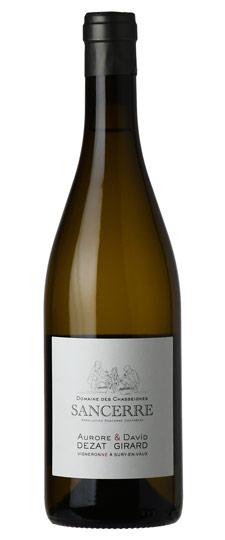
This is one of my favorite Sancerre estates and they never disappoint. Their 2024, is another winner. It combines the classic citrus fruit we're accustomed to with pleasant tropical notes thanks to the generosity of the vintage. Simply put, it's complex, satisfying and outstanding as always.
Top Pick
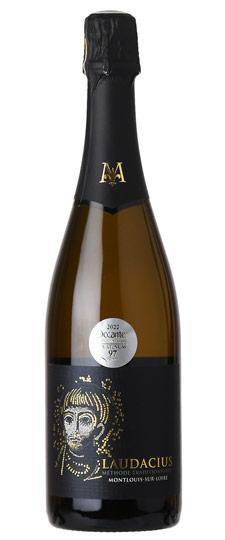
Pure and precise with a fine bead and great balance. Classic Chenin pear and apple aromatics with a streak of lemon. Vibrantly textured with a lemony freshness and a hint of toast on the finish. (DWWA 2022)
Top Pick
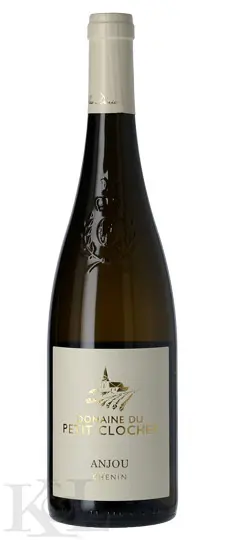
Charismatic lemon curd, ripe apricot and apple pie laced with sweet vanilla. Exceptionally juicy and luscious with zippy citrus acidity and a lengthy saline persistence. (2026 DWWA)
Top Pick
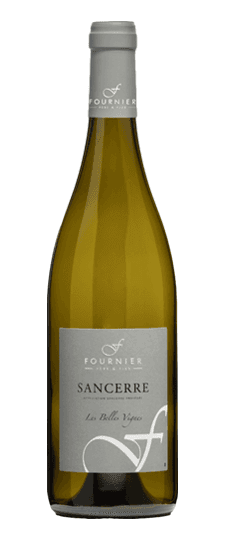
Compelling smoky mineral and sultry lemon characters ebb and flow across the nose and palate with a gorgeous crunch of acidity and texture. Very long and delicious. (2024 DWWA)
Compare to $37 Elsewhere
Top Pick
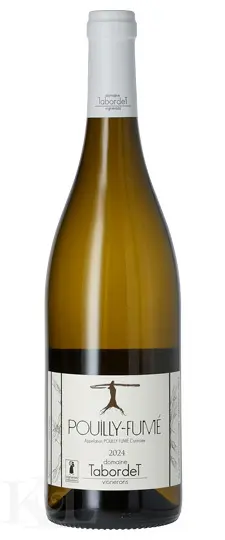
The 2024 Pouilly-Fumé has incredible purity, delightful texture, tranquility and no edges. This is a cloud of delicious Sauvignon Blanc. It's very approachable and fresh. (RG)
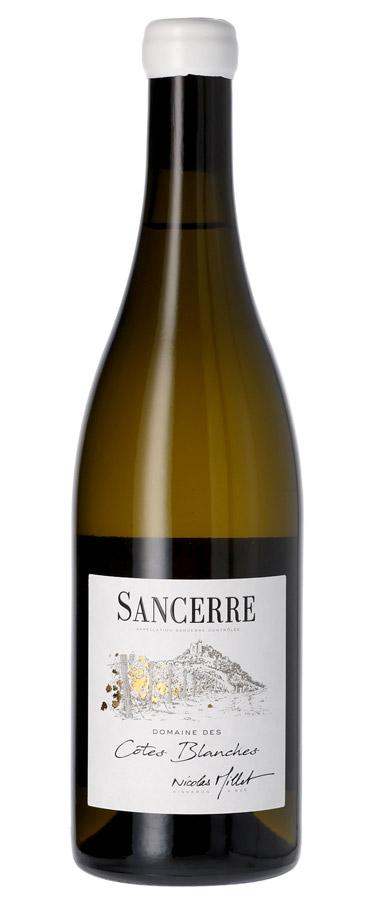
Jubilant yellow apple and freshly-sliced Anjou pear aromas lift from the glass along with subtle undertones of flint and wild herbs. Lemon citrus washes across river stone and completes with a saline-sprinkled finish. Pair with fried anchovies, Caesar salad and grilled chicken. (RS)
Wine Club
Top Pick
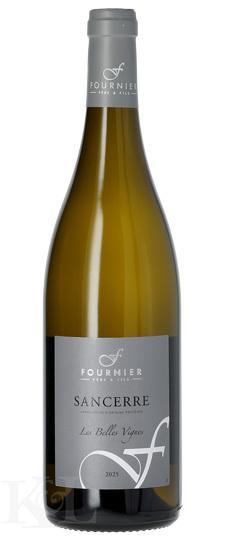
Domaine Fournier, known for its signature site-specific and soil-driven Sancerres, has afforded us the opportunity to feature its flagship cuvée, Les Belles Vignes, in this month's club. Like all white Sancerre, it is 100% Sauvignon Blanc, but what makes this wine special is that it represents an alliance of the appellation's three great soil types: Terres Blanches (Kimmeridgian marl), Caillottes (Oxfordian limestone), and Silex (flint). Each terroir contributes something unique. Terres Blanches provides weight and structure, Caillottes brings freshness and vibrant fruit, while Silex adds minerality and a subtle savory character. When these three elements come together, the result is often greater than the sum of its parts—a wine that captures the complete expression of Sancerre rather than the personality of a single site. The result is a wonderfully balanced Sauvignon Blanc with bright aromas of grapefruit, lemon zest, white peach, and fresh herbs layered over a chalky, flinty backbone that keeps the wine focused and energetic. There is both precision and depth here, with each soil lending its own distinctive voice to the final blend. This is the style that has made Sancerre one of the world's great white wines. Whether paired with freshly shucked oysters, grilled sea bass, roast chicken, or a classic Loire goat cheese, this wine will shine at the table.
Top Pick
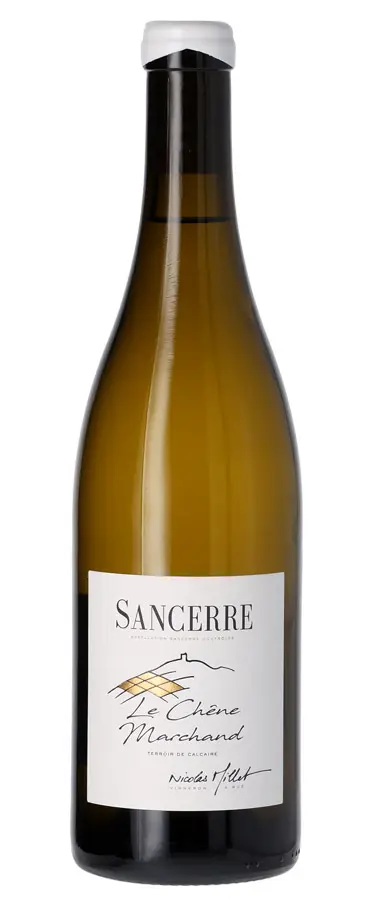
Nicolas Millet is a small Sancerre grower focused on precise, site-driven Sauvignon Blanc from the limestone-rich slopes around Bué. Le Chêne Marchand is one of the village’s most celebrated vineyards, a well-exposed site of caillottes and limestone that gives the wines exceptional finesse, chalky tension, and aromatic lift. The 2023 bottling captures that terroir with bright citrus, floral detail, and the saline mineral precision that defines classic Bué Sancerre.
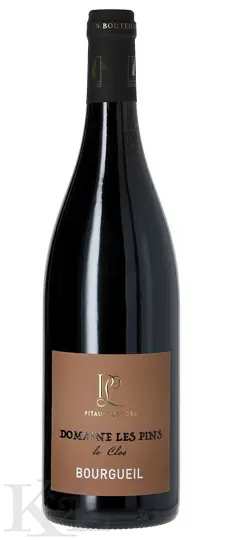
Cabernet Franc was meant to be this good. Violet and freshly-sharpened-pencil aromas frolic on the nose revealing the core aromas of Bourgueil that are bolstered by black plum and a background of red raspberry. A svelte, lean palate of well-integrated red fruit abounds without being ostentatious. (RS)
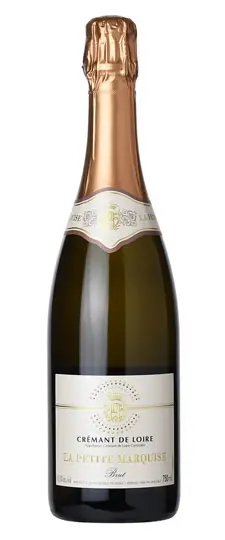
Goodbye Cooks hello Deligeroy! If only everyone knew that you could get a great bottle of bubbles for the same price as the stuff the makes your head palpitate the next morning. I get beautiful notes of tropical fruit, honeycomb, and apple. Maybe even apple pie... I'll have to consult Kirk below.
Top Pick
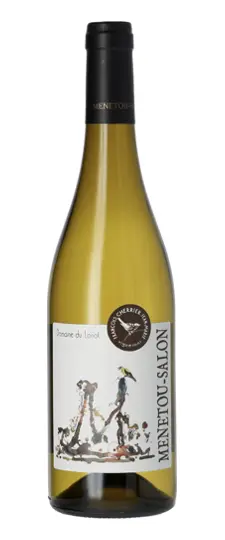
The region of Menetou-Salon lies just southwest of Sancerre, and its vineyards share much of the same prized clay and limestone soils that have made its neighbor so famous. That continuity of terroir brings similar detail, tension, and depth — but often without the same level of attention. One of our core Direct Import Sancerre producers, Cherrier Freres, farms a small, separate property here known as Domaine Loriot. The soils at Loriot contain a higher proportion of terres blanches, the dense clay-limestone mix that tends to lend more weight and breadth to the wines. In the hands of the Cherrier family, that translates to a lush yet focused Sauvignon Blanc layered with Meyer lemon, white peach, and Red Delicious apple. Subtle notes of fresh grass and bay leaf nod clearly to the variety. Pure, expressive, and beautifully balanced — and at nearly half the price of many Sancerres — this is one of the strongest values in the category today.
Top Pick
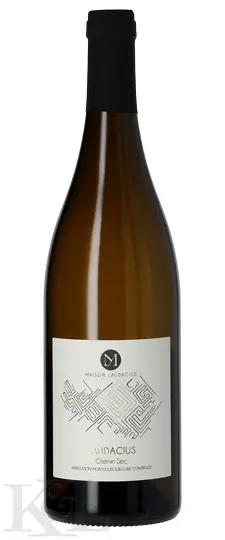
Maison Laudacius is a cooperative of growers based in the small appellation of Montlouis-sur-Loire. Founded in 1961, it brings together 18 farming families working sustainably across the three villages that define the appellation. The vineyards are rooted in clay and silica soils over the region’s signature Turonian chalk, a defining geological feature of this stretch of the Loire Valley. All farming is certified under Terra Vitis, an organization dedicated to promoting sustainable vineyard practices. The Laudacius Chenin Blanc is a blend of parcels drawn from these clay-limestone soils. It is fermented and aged entirely in stainless steel, preserving freshness and purity of fruit. The wine is fermented dry and shows a clean, mineral-driven profile that makes it a versatile partner at the table - particularly with seafood, seabass crudo, or fresh goat cheese.
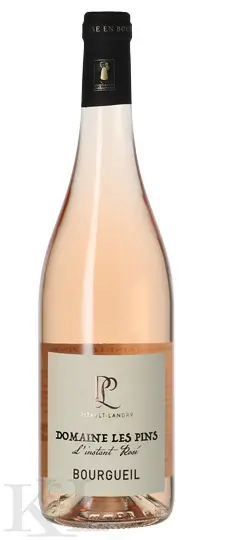
I’m always delighted when Domaine les Pins' outlier rosé hits the shelves. Made from 100% Cabernet Franc by one of our favorite Direct Import producers, it comes from sandy, gravelly soils that lend both lift and character. Aromatically, it stands apart: fresh strawberry and watermelon lead the way, followed by a subtle thread of rosemary and a hint of rose petal. It’s a distinctive alternative to the sea of Provençal rosé—more savory but just as refreshing. An easy addition to any weeknight lineup, and another standout value from our Direct Import portfolio.
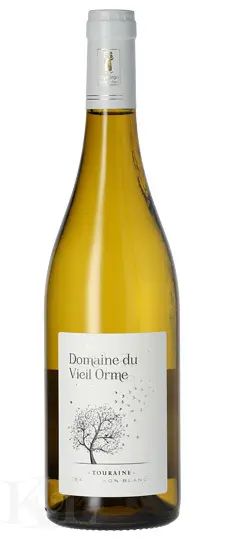
We often refer to Touraine Sauvignon Blancs as “baby Sancerres.” There’s real overlap in the terroir, with soils rich in clay and limestone, and the moderating influence of the Loire and its tributaries keeping the wines fresh, lifted, and vibrant. The key distinction—beyond the far more accessible price point—is the fruit profile, which tends to show a bit more flesh and ripeness. Vieil Orme has been a longtime staff and client favorite, and the new 2025 release is an absolute delight. There’s a subtle mineral backbone, but the wine leans into generous notes of candied lemon peel, pineapple, and a touch of passion fruit. Bright, expressive, and downright crushable, this easily qualifies as one of the best values for Sauvignon Blanc on the shelf—regardless of category. Another triumph from one of our favorite Direct Import producers.
Top Pick
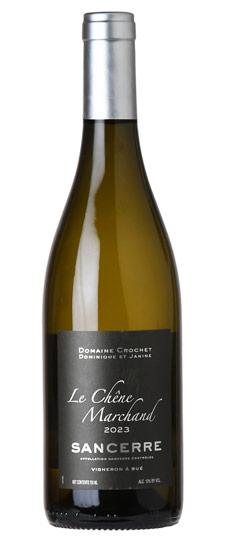
The Crochets farm some of the finest vineyards around the village of Bué. La Chêne Marchand is a blend of limestone (the famed Caillottes) and clay, but the Crochets’ parcel includes a unique subset of softer chalk known as Griottes. This distinctive terroir yields wines of remarkable finesse and elegance. A touch of large-format oak aging (600L demi-muids) adds texture and depth, resulting in one of the most refined yet sumptuous Sancerres on our shelves. Expect notes of peach, lemon rind, and a pristine, chalky minerality on the nose. Always among the most sought-after wines from Crochet, it stands shoulder to shoulder with top producers like Pinard and Jolivet—yet remains a far greater value.
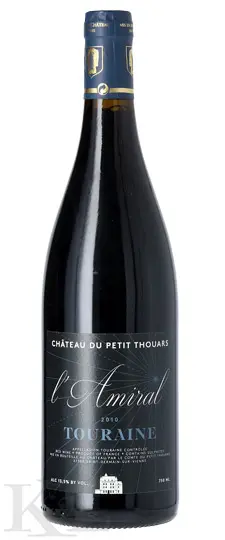
Château du Petit Thouars has a long history in the Chinon appellation dating back to the 16th century. Now run by Sebastien and D'Arcy du Petit Thouars, the 12th-generation owners, the estate is located in the western part of Chinon (formerly Touraine), where the soils have more limestone-clay (and border Saumur-Champigny). The vineyards were not classified as Chinon until 2015, when the appellation was redrawn to include this special terroir. Moving forward all of Petit Thouars' reds and whites will carry the Chinon appellation on their labels. The Cuvée L'Amiral is only produced in the best vintages, a selection of the oldest vines and best parcels. Under the deft hand of Michel Pinard (Charles Joguet's protegée), all grapes are hand-harvested, native yeasts create the fermentation, and the wine ages for a minimum of two years in neutral barrel. A pure expression of Cabernet Franc, this has loads of aromatics, beautiful texture and weight, and is sure to be recognized as one of the great wines of the region. *Organic*
Top Pick
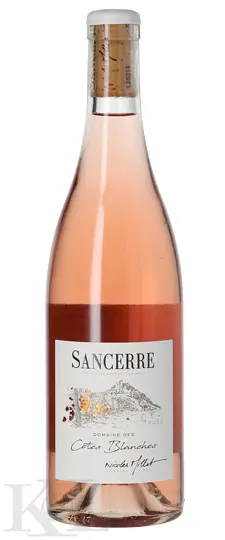
Sancerre is best known for Sauvignon Blanc, but its rosé wines are made from Pinot Noir. This 2025 Sancerre Rosé from Domaine des Côtes Blanches (Nicolas Millet) highlights another side of the appellation in the eastern Loire Valley, where Pinot Noir also supplies Sancerre’s red wines.
Top Pick
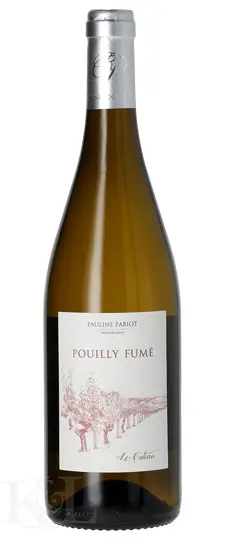
I had the chance to visit Pauline Pabiot a few years ago at her property in Tracy-sur-Loire, one of the villages in the Pouilly-Fumé appellation. I'd already tasted the wines beforehand, so I pretty much knew we'd end up working together — but it was her charm and the direction she was taking the winery that really sealed the deal. Young and determined, she took over the estate from her grandfather, Roger Pabiot. She's now the fifth generation running the place, and she's converted it to organic farming, even keeping the old Chasselas vines around to make a tiny, very limited batch of Pouilly-sur-Loire. We wandered through her vines together, exploring the appellation. Back at the winery, she pulled out all these fossils that had turned up in the vineyards over the years — pretty cool stuff. The soils around Pouilly-Fumé are known for lots of silex (flint), but the "Coteau" is actually planted over sandy-clay and clay-limestone, which gives those wines a brighter, more lifted freshness. One of my tasting notes for the 2024 just said, "YUM!" And honestly, that about sums it up. It's packed with lemon verbena, fresh nectarine, and honeydew melon, with a light chalky minerality that balances the fruit and that signature refreshing acidity. It's just a really pleasing wine — full of all the charm I've come to expect from Pauline.
Insider's Advantage
Top Pick
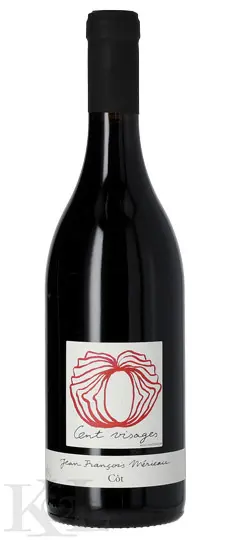
A dense, deep plum colour in the glass reflects the rich prune and fig aromas coming from it. It’s very concentrated and will need time to soften to express its full potential and should age very well. The 50-year-old vines for this Côt – the local name for Malbec – come from a 2.5-hectare parcel of clay-limestone that faces south/southeast. The grapes are hand picked and macerated for five to six weeks using native yeasts. It is then aged in unlined concrete tanks with the use of micro-oxygenation. Côt is the most successful red variety in eastern Touraine producing quite rustic, characterful wines, the best of which are able to age for several decades. There are some vines in the Cher Valley that are well over 100 years old. (JB)
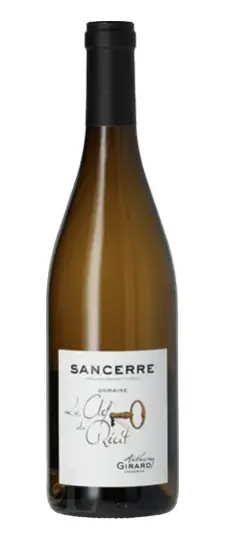
Muddled yellow apple, ripe Anjou pear and white nectarine aromas mingle with white blossom and lemon peel on the nose. Freshly-sliced orchard fruit washes across wet stone that follows an estuary of citrus on the finish. Pair with fried calamari, mango-salsa tacos and roasted chicken. *Editors' Choice* (RS)
Top Pick
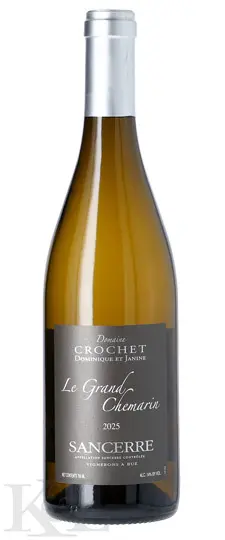
Located in the village of Bue, one of the pinnacle producing regions in the Sancerre appellation, the Crochet family is well represented. Dominique and Janine Crochet are the fifth generation in viticulture along their family tree.
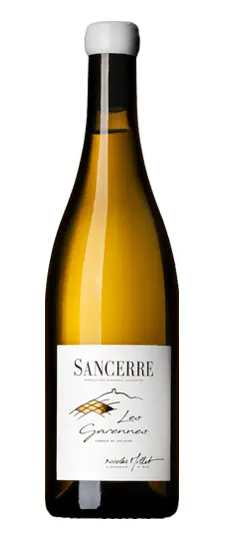
Nicolas Millet “Les Garennes” Sancerre is produced by Domaine Nicolas Millet, a family estate based in the village of Bué, one of the most respected communes in the Sancerre appellation. The wine is sourced from the Les Garennes vineyard site, where Sauvignon Blanc is grown on the limestone-rich caillottes soils that are characteristic of the region. The Millet family has farmed vineyards in Sancerre for multiple generations, focusing on estate-grown Sauvignon Blanc that reflects the distinct terroirs of the Sancerre appellation.
Top Pick
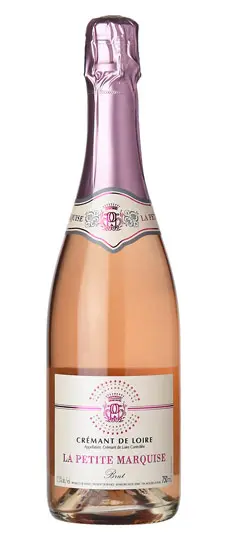
This is long and fine with red cherry fruit and a persistent limestone laced finish. There is an amazing amount of elegance and restraint showing here for only 13 bucks. A remarkable value that is as easy on the palate as the wallet.
Chateau de Sancerre 2025 releases a gorgeous aroma of fruits (quince, lycee, passion fruit)... The acidity is well-balanced and the mineral sensation lasts an eternity. This is the type of Sancerre that one can drink effortlessly while contemplating the sunset or the autumn leaves falling. Cheers! (ME)
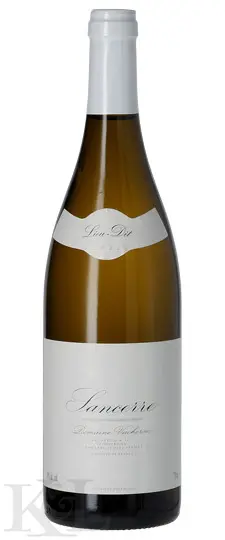
A seductive, minerally, textural and poised Sancerre. On the nose it has notes of spiced apples, dried pears, warm herbs, baking spices and some pebbles. Medium-bodied with bright acidity on the palate. Stony and vertical, yet it has density and a juicy and succulent finish, with a touch of flint on the aftertaste. From organically grown grapes. (KD)
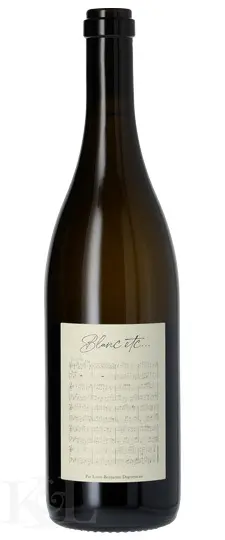
Although labeled Vin de France, "Blanc, Etc." sits within Dagueneau's Loire Sauvignon Blanc program centered around Saint-Andelain. The team farms biodynamically and keeps yields extremely low, often with one worker per hectare, which is almost unheard of in the Loire. Louis-Benjamin Dagueneau has continued the domaine's exacting work in the vines and cellar, keeping the focus on small-production Sauvignon Blanc rather than broad regional volume. The "Blanc, Etc." comes from the younger vines across multiple parcels across a mix of Kimmeridgian Marl and clay-limestone. All grapes are farmed biodynamically at much lower yields than other surrounding producers. This is the quintessential Fume, not Fume. Intense citrus peel and green fruit notes, this has long mineral tones and a lightly smoky edge. Always great in its youth with a brief decanting, it is also worthy of waiting a few years for maximum enjoyment.
Limit of 12 Per Customer
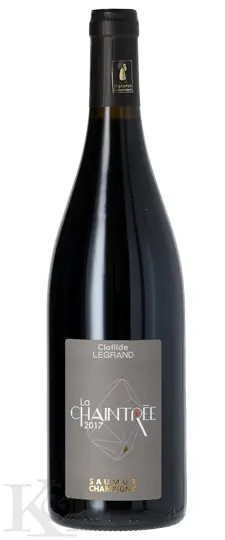
I last had the pleasure to taste Clotilde Legrand’s 2017 Saumur-Champigny "la Chaintrée" two years ago and the wine continues to blossom beautifully. Though the wine is now eight years of age, it was a "new release" from Madame Legrand’s cellars back in the summer of 2023, as she aged the wine fully three years in cask prior to bottling. This cuvée does not see any new oak, as it is raised in five hundred liter barrels that are three to eight years of age. Today, it offers up a superb bouquet that shows its gently oaky influence in its aromatic blend of cassis, sweet dark berries, cigar ash, tuffeau soil tones, coffee bean, a nice touch of oak and a topnote of juniper berries. On the palate the wine is deep, full-bodied, precise and still on the young side, wit a great core of pure fruit, an excellent foundation of soil, fine-grained tannins and a long, impeccably balanced and complex finish. This is outstanding Saumur in the making, but it still needs several years in the cellar to soften up its undercarriage of tannin.
Insider's Advantage
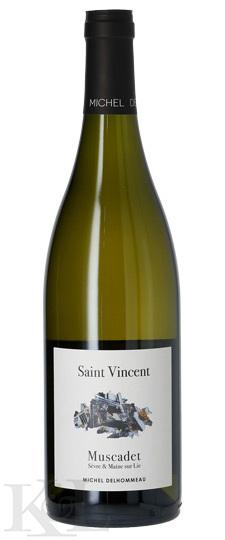
Muscadet Sèvre et Maine takes its name from the Sèvre Nantaise and Maine rivers near Nantes in the western Loire. Michel Delhommeau’s 2022 “Saint-Vincent” is made from Melon de Bourgogne, the appellation’s grape. The “Sur Lie” designation indicates aging on the lees—the yeast sediment left after fermentation—and connects this wine to a defining production tradition of Muscadet.
Top Pick
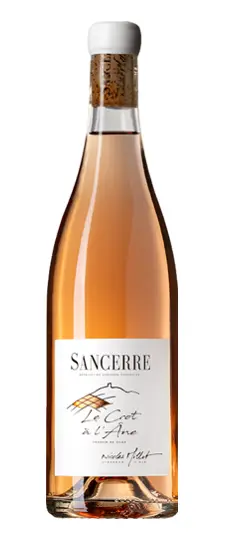
Sancerre’s red and rosé wines joined the appellation in 1959, more than two decades after its white wines gained recognition. Nicolas Millet’s 2025 “Crot à l’Âne” reflects that distinct local tradition: a rosé made from Pinot Noir in France’s Loire Valley.
Insider's Advantage
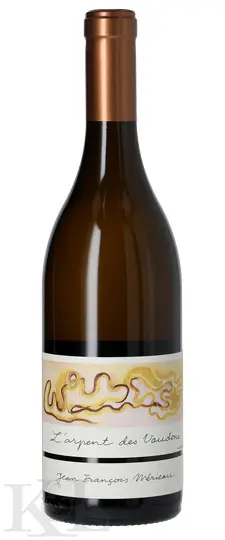
Touraine takes its name from the historic province surrounding Tours in France’s Loire Valley. Sauvignon Blanc is the principal grape for the appellation’s white wines, and Jean-François Mérieau’s 2023 “Arpents des Vaudons” belongs to that regional tradition: a Sauvignon Blanc bearing the Touraine Blanc appellation.
Our newest addition to our Rendez-Vous program is an absolute delight of a Muscadet. As with all Muscadet, this is made from 100% Melon, which, for those not that familiar with the grape, has a more apple-forward character and is often marked by notes of salinity and oyster shell minerality. There is an unmistakable maritime quality to the wines from this part of the Loire, where the river makes its final push toward the Atlantic. Think of Muscadet falling somewhere towards Chardonnay—though more along the lines of Chablis in style, as no oak is used here—with a slightly nervier acid structure. There is also a wonderful texture to good Muscadet that keeps it from feeling lean or overly austere. The 2024 expands even further on that traditional profile, adding touches of pineapple and dried papaya that give the wine an exotic quality without sacrificing its freshness. This is exactly the kind of white I love to have on hand at any given time. It makes for a great aperitif to kick off an evening. And of course, Muscadet and shellfish is one of the great classic pairings—oysters, mussels, clams or a big platter of simply prepared seafood would be mighty fine here. Highly drinkable, incredibly versatile and another terrific value for the Rendez-Vous program.
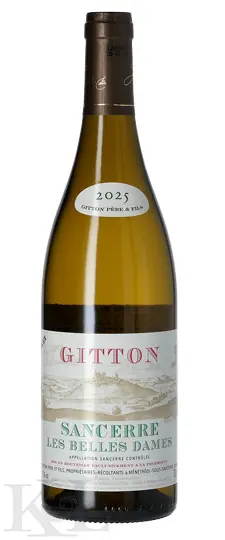
Pascal Gitton is the current scion at the helm of Domaine Gitton. The estate began life as a 1.5-hectare parcel near Ménétréol-sous-Sancerre that his grandmother farmed in addition to running a bistro and épicerie. The Les Belles Dames comes from a 5-hectare parcel on flint soil and is fermented in stainless steel and aged in a mix of steel and neutral demi-muids.
Joël Taluau is a fabulous grower in St. Nicolas de Bourgueil known for making some of the purest expressions of Cabernet Franc in the Loire, which are unmarred by the intrusion of oak. He was also the first producer in the appellation to begin domaine bottling. These days, Joel makes wines with the help of his son-in-law, Thierry Foltzenlogel.
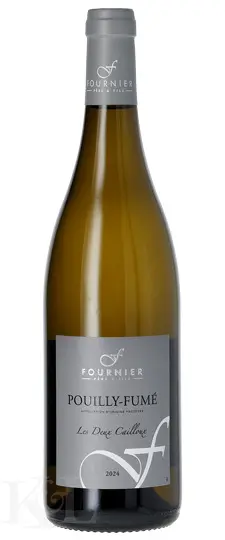
Pouilly-Fumé is an eastern Loire appellation devoted to Sauvignon Blanc, with vineyards centered around Pouilly-sur-Loire on the Loire’s right bank. Domaine Fournier Père et Fils’ 2024 “Les Deux Cailloux” comes from this historic winegrowing area, distinct from the neighboring Pouilly-sur-Loire appellation, which is traditionally associated with Chasselas.
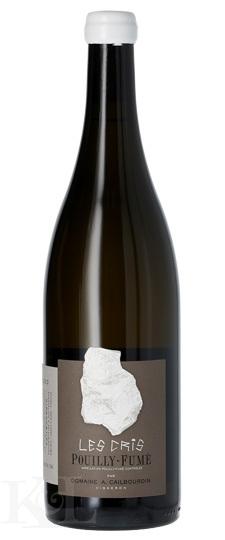
Round and mellowed, with good range, showing subtle notes of blanched almond and paraffin, while savory details of dried oregano and sage merge with orchard fruit and quince. Focused and mineral-driven through the salty, medium-bodied finish. (KB)
Top Pick
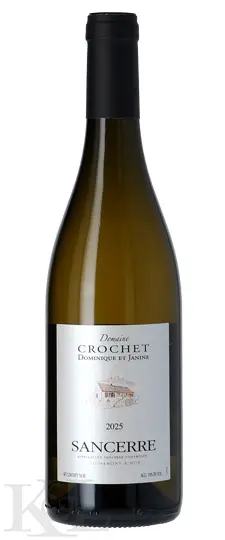
The 2025 Sancerre exhibits clarity and purity. The nose and palate are both on the restrained side with delicate florals and greens. Its fine texture reflects a combination of all the terroirs in the appellation, with chalk, clay and flint each bringing their own characteristics. Its line, precision and balance show class. Organic. (RG)
Insider's Advantage
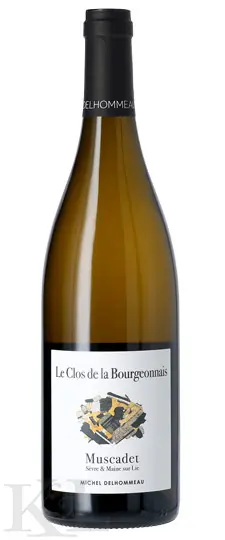
Muscadet Sèvre et Maine takes its name from the Sèvre Nantaise and Maine rivers, southeast of Nantes in the western Loire. Michel Delhommeau’s 2022 “Le Clos de la Bourgeonnais” is made from Melon de Bourgogne, the grape behind Muscadet. Its “Sur Lie” designation refers to maturation on the lees—the yeast sediment remaining after fermentation—a defining tradition of the appellation.
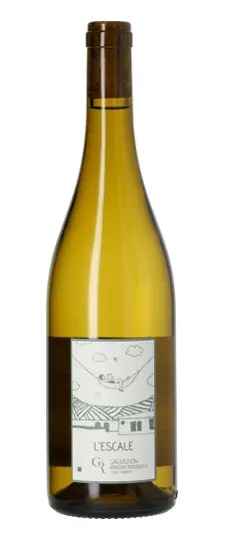
A charming, vibrant Sauvignon Blanc from a small family operation in Touraine. Vincent Roussely, the current winemaker, represents the fourth generation of the Roussely family to steward these vines, some of which are 80 years-old. Grown organically atop predominantly clay and tuffeau soils, the 2023 "L'Escale" is a bright and citrus-scented wine with the Loire Valley's distinct mineral undertones.
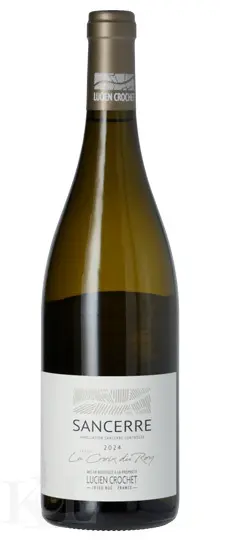
Lucien Crochet is based in Bué, a historic wine-growing village within the Sancerre appellation. La Croix du Roy is the estate’s Sauvignon Blanc bottling, produced in the eastern Loire Valley, where white Sancerre is made exclusively from this grape. The 2024 release connects a named cuvée with one of France’s best-known Sauvignon Blanc origins.
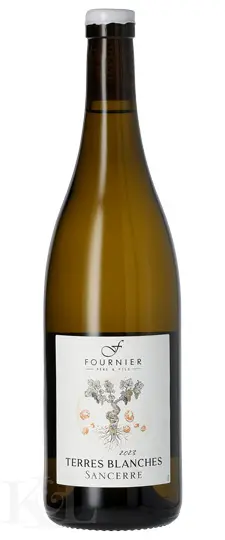
Domaine Fournier Père et Fils is based in Verdigny, one of Sancerre’s historic wine villages. This 2023 Sauvignon Blanc takes its name from the appellation’s “terres blanches,” clay-limestone soils formed from Kimmeridgian marl and associated with parts of Sancerre’s rolling vineyard landscape.
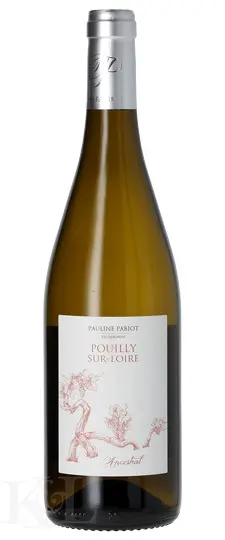
Pauline Pabiot took the reins of her family estate just a few years ago and has quickly established herself as one of the rising talents of Pouilly-Fumé. Formerly known as Domaine Roger Pabiot, the property reflects generations of farming in the Loire Valley that long predate the formal creation of the appellation. Pauline has fully converted the vineyards to organic farming, intensifying the focus on terroir while bringing a precise, detail-oriented approach in the cellar. L’Ancestrale highlights Chasselas, a grape that predates Sauvignon Blanc’s dominance in the region. Steely and mineral-driven, it offers a pure, understated expression that shines as an aperitif and pairs beautifully with freshly shucked oysters.
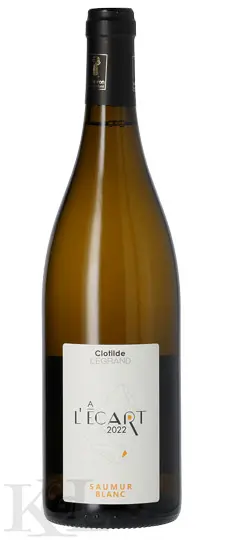
The 2022 Saumur Blanc "À l’Ecart" from Clotilde Legrand is a superb young bottle of chenin blanc. The wine is already starting to show a bit of that chalk dustiness of young chenin and is best, if drunk now, to be given twenty to thirty minutes in decanter to blossom. Once it opens up, it delivers a superbly complex bouquet of apple, quince, a beautiful base of soil tones, a touch of orange peel, lanolin, dried flowers and a hint of incipient beeswax in the upper register. On the palate the wine is crisp, full-bodied, focused and soil-driven in personality, with a great core of fruit, a fine spine of acidity, excellent backend grip and lovely balance on the long and complex finish. I suspect that this will go through a period of hibernation a few years down the road, like a top flight Vouvray Sec, but for the moment it is drinking very well indeed with a bit of aeration. It will be long-lived.
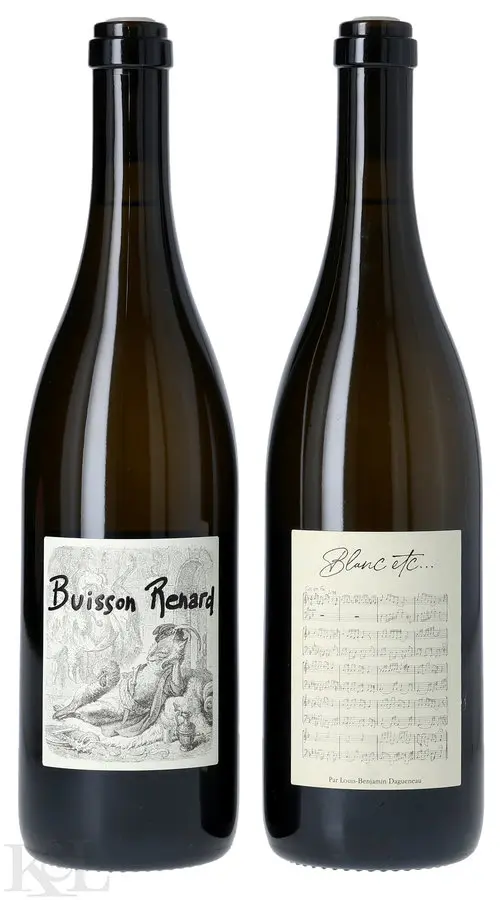
Bid on this 2-bottle tasting lot; including 1-bottle of 2022 Domaine Dagueneau "Blanc, Etc." Vin de France (Pouilly-Fumé) (92VN) and 1-bottle of 2022 Domaine Dagueneau "Buisson-Renard" Vin de France (Pouilly-Fumé) (95VN). Of the 2022 Domaine Dagueneau "Buisson-Renard" Vin de France (Pouilly-Fumé), Vinous writes: "I'm a bit of a fan of the Buisson Renard. At the bottom of the hill below the winery in the village of Saint-Andelain, there's a greater proportion of clay to flint, giving a broadness to the wine's shape that envelops the whole mouth. In 2022, you can smell the warmth of the vintage and experience its richness and yet its sense of lightness. There's an appealing chew to the wine, and on the finish, a salty residue that makes you want to continue drinking. It retains acidity, line and length and provides precision. Its maker, Jean-Philippe Agisson, believes 8-10 months in stainless steel after being in barrel plus filtration gives the wine this tightening belt. (RG)" (07/2024)
Current Bid
Ends 11/04/26 3:20PM PT
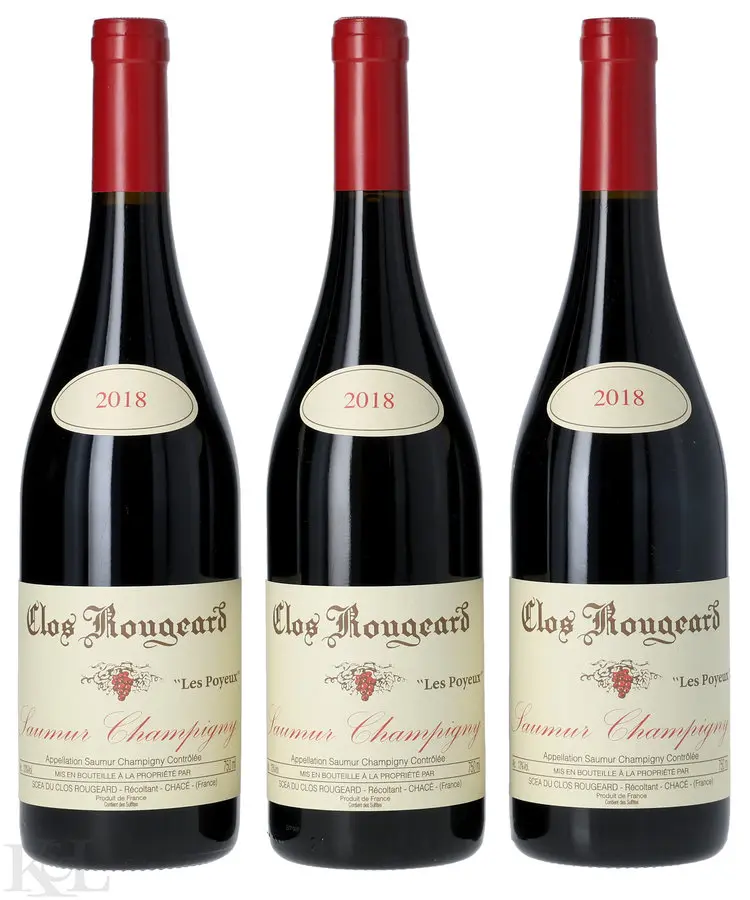
Bid on this 3-bottle lot of 2018 Clos Rougeard Saumur-Champigny (92CK, 92DC). Decanter: "Faint aromas of roasted meat, almost animal, on the nose, but very pure impressions on the palate. All crystalline black fruits, with suggestions of minerality on the finish. (BL)" (06/2022)
Current Bid
Ends 11/04/26 2:20PM PT
An attractive nose, with orange peel, as well as the lavender and mint of a cooler vintage. Finely polished and sinewy on the palate, this presents a fine substance of pithy and bitter grip, a good cushion of amaroidal fruit partnered with fresh and biting acidity. This is a lively one! Drinking now, although it should be good over the next few years. The soils here are flint, with deeper limestone. The alcohol is 13% on the label, but the true figure is slightly lower on analysis.
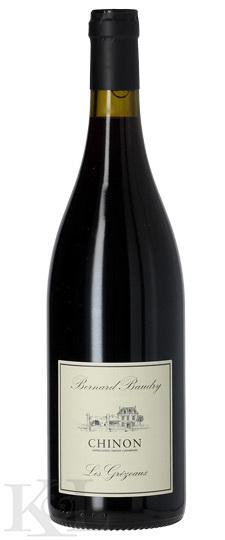
The youthful 2023 Les Grézeaux offers fresh and pure fruit with bright, salivating acidity. This was sourced from vines growing on the gravel sands just in front of the winery. Winemaker Mathieu Baudry concedes that it's the most difficult of his sites for which to nail the picking date, with a perfect window of just two to three days. There's a definite flesh to the mid-palate, though it doesn't even reach medium body. This aged in cement tanks rather than oak and offers youthful blackberry and raspberry fruit notes. There's a hint of savory smokiness that could be from the gravel or a slight touch of reduction. The 2023 can be enjoyed in the first six to nine years of its life. (RG)
Join our list
Exclusive offers, new arrivals, and expert picks