

Search Results
- Japan
250+ Results
Top Pick

Fragrant and herbal aromas, with pine needles, basil, green bell pepper, pea pod, black truffle, peppercorn, and smoke from smoldering dry mosses and wood shavings. It’s very smooth and refreshing, with pear, peppermint, lemon, lime, green tea, kiwi, and herbal notes, finishing with chopped mint, more herbal layers, and gentle peppery spice. A unique composition and a quintessential Japanese whisky experience. (JM, Summer-2023)
Top Pick
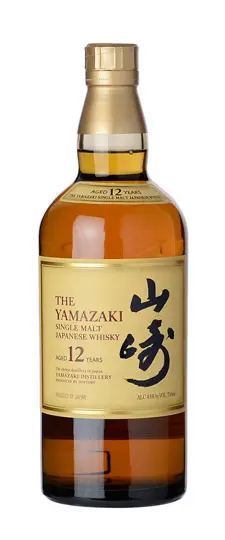
The first thing you notice is the elegant fragrance of lychee, spring blossoms, lily, rosewater, and raspberry meringue. Deeper in, grassy notes with star fruit, kumquat, and kaffir lime leaves. The flavors offer perfection in their simplicity: silky honey, soft spices, crystalized pineapple, barley sugar, lemon, and orange. On the finish, the spices chatter on and on as the sweet citrus and honey fade in and out. One to cherish. (JM, Spring 2018)
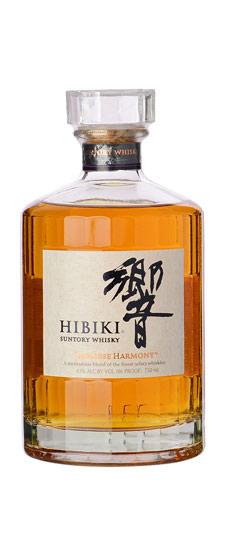
A soft and delicate nose offers vanilla ice cream, ripe banana, peach, and honey-sweetened breakfast cereal. The palate is gentle and smooth, but packed with flavors—more vanilla, peach, coconut flakes, lemon meringue, cherry tart, and blackberry jam—all balanced by peppery spice and fragrant oak. A long, nicely spiced finish offers balanced fruitiness, Creamsicle, and dark chocolate. Complex, balanced, deep, and well-spiced; an easy sipper. (DF, Fall-2024)
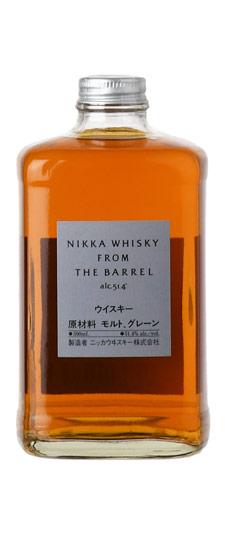
The #1 Whiskey of the Year on Whiskey Advocates Top 20 list in 2018 is now being offered without an allocation limit for the first time thanks to our special relationship with the importer. The wonderful Nikka From the Barrel has been one of the most sought-after offerings from this special distiller based outside of Sapporo. It's previously not been available in the US due to the USA restriction on the 500ml bottle size, but thankfully the owners designed a 750ml version for the US market. This is a blend of many of the Nikka whiskies we know and love dumped and mingled for further marrying in a large vat at the distillery, hence "from the barrel." It's one of the few higher proof offerings available from any Japanese distiller and has a unique character. While the Hibiki Harmony might be the most popular blended Japanese whisky available in the US, From The Barrel is easily the most flavorful. This is nicely aged Yoichi, Miyagikyo, Coffey Grain and Imported Malt further aged post blending and bottled at 102.8 proof. No wonder people are going rabid for the stuff, it's absolutely delicious!
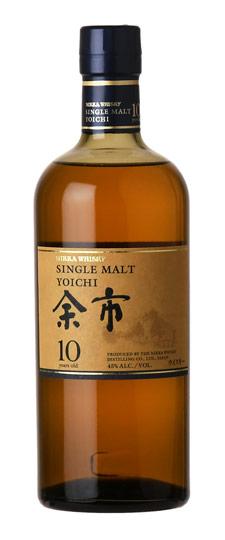
Returning after a long absence, the new 10 year old has zested lemon, vanilla, lemongrass, and robust peatiness, with a touch of minerality shaping the crispness and purity of the aromas. It’s fruit-forward with banana and green apple among honey, vanilla, butteriness, and egg custard, with a long-lasting spiciness of pepper, clove, and a hint of brine. A growing oakiness with salted caramel, pepper, and fruit to finish. (AM, Fall 2023)
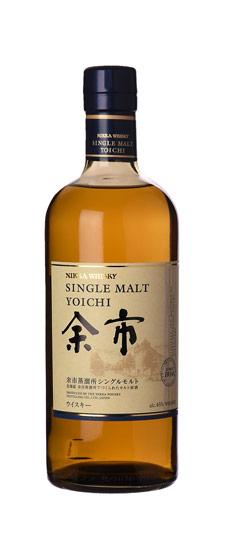
This elegant single malt from Nikka bears a dark, vibrant gold color, with smoke and caramel aromas. On the palate, look for well-balanced notes of citrus peel, cedar and oak, and a gentle waft of smoke. An astringent sensation on the finish sets the mouth watering, leading to a full-bodied, almost oily texture. Recommended for sipping neat. (KN)
Compare to $102 Elsewhere
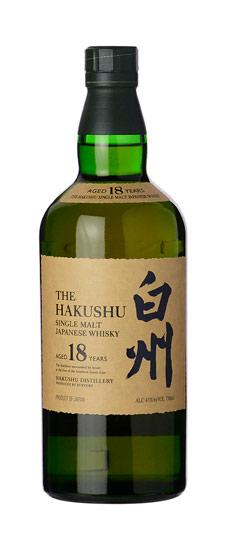
For many years, Hakushu 18 Year was my golden goose of Japanese whisky. Believe it or not, back when I started in this industry over 20 years ago, the Yamazaki 12 year was the least expensive 12-year-old single malt in my store. I think we charged $37 and Glenlivet 12 Year was $40. When I wanted to treat myself the 18 year was only $100! When the Hak 18 Year launched in 2006, it was literally all I wanted, and it was damn hard to find. Difficult to sell yourself the one bottle allocated to your store, so I eventually paid retail elsewhere and coveted that bottle like it was my baby. Then, it became impossible to find and extremely expensive, yet my desire to have it in my possession diminished very little. Now, tasting the modern version, I actually think it's improved amazingly over the years; my desire to own the Hak 18 Year never really connected with my perception of its quality. Let's have a little bit together! The color is a beautiful, burnished color (1.1) Huh, this is much darker than I remember the old version being. HOLY MOLY, the nose is absolutely stunning, full of beautiful, tropical fruit, wild honey, antique wood, and the finest black teas. The smoke is so well-integrated and rich you'd be hard pressed to call it out as a peated malt on the nose. The ultra supple entry builds with deep, roasted fruit, deep vanilla, rancio, and baking spice that build toward a round, complete, and savory finish. Again, we're not at all in the overt peat world, and the depth and age feel well beyond 18 years. For all that is said about Suntory's consistency, this is wildly inconsistent with what I remember in that it's much, much better! A poor, little 92 point score from 13 years ago does not do the modern Hakushu 18 year any justice. It's very clear that they're putting beautiful old malt in this from a variety of extremely high- quality barrels. A beautiful whisky that should be considered for anyone looking for a luxurious experience.
Limit of 6 Per Customer
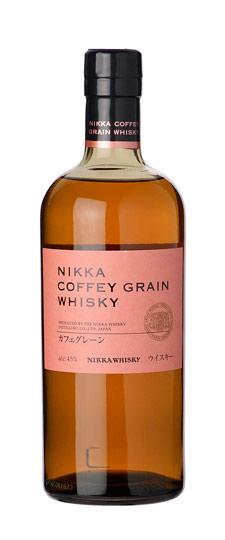
Sweet, with subtle, crisp, nutty oak, then comes fudge, ripe banana, and peach. The overall effect is like eating vanilla ice cream with toffee fudge and hazelnut sprinkles. The structure is thick and physical, the palate sweet and quite fat, with light hints of raspberry, fruit salad. A jag of acidity freshens the delivery on the finish. With water there’s more toffee, and it becomes slightly more yielding, with less oak. For me the gold standard of grain. (DB, Fall 2015)
Kuju's inaugural single malt represents the realization of founder Shoji Utoda's ambition to make whisky in his native Oita Prefecture. A longtime whisky retailer who trained at Chichibu, Utoda helped finance the project through corporate bonds purchased by bartenders, liquor retailers, and other investors. When pandemic restrictions prevented Scottish engineers from installing the Forsyths equipment, local shochu equipment specialist Hirano Shoten completed the work using the manufacturer's plans and remote guidance. Distillation began in February 2021. The First is made entirely from unpeated malted barley and local underground spring water, with fermentation conducted over four days in Douglas fir washbacks to encourage lactic acid fermentation. Double distillation takes place in Forsyths copper pot stills fitted with straight heads and gently descending lyne arms, a configuration selected to produce Kuju's bold style of spirit. Matured for a minimum of three years in a combination of ex-bourbon and sherry casks, this limited release introduces the distillery's own single malt at its full cask strength of 58% ABV. All production, from milling through bottling, takes place at Kuju. Released without an age statement, The First is non-chill filtered and bottled without added coloring.
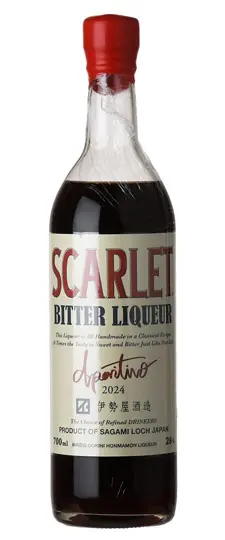
Everything this place makes is fantastic. It's just super amazing really high end versions of your favorite amari. This is the Campari analogue, inspired by vintage Campari, and it's just pretty perfect. It has this depth and roundness that's just whacky in how finely tuned it is. There's cola, grapefruit zest, citron, Satsuma, and maybe Gentian all on the nose, it's so vivid and complex and just downright interesting. Fantastic mouthfeel and texture on the palate, really great depth with a lot of the same notes showing, there's more kind of a spiciness on the palate with clove, cinnamon, lots of citrus, vanilla, and then then a lingering finish with bitterness vying with sweetness and acidity and finding nothing but balance in the end. This makes me happy on a profound and deep level.
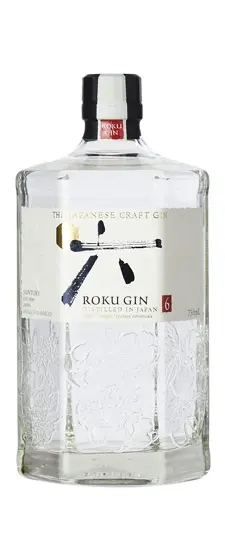
Subtle, nuanced and light, the first sips open with citrusy yuzu peel and a mild floral note reminiscent of sakura flower, which lingers effortlessly into the finish. Tea botanicals sencha and gyokuro add a grounding, earthy element wrapping up with a flicker of ginger heat. *Best Buy* (KN)
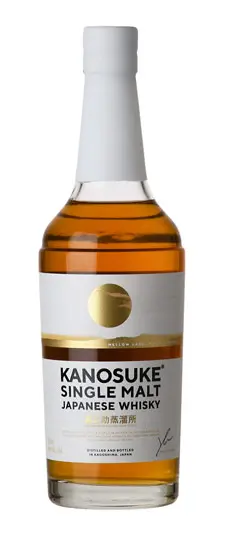
One of the most exciting whisky releases of the last year, Kanosuke finally comes to an approachable price point, and I could not be happier. The quality on display here is unrivaled in Japanese whisky at this cost. It even gives single malt Scotch a run for its money. The nose starts strong with big oak and vanilla, but there's more nuance than apparent at first whiff. White flowers, tropical fruit, candied citrus and confectioners sugar lie just beneath the heavy base notes. The palate is soft but structured, offering far more complexity than you could expect from relatively young whisky. Peaches drizzled with condensed milk, sweet grain, toasted oak and a kick of spice make the first impression. But a thread of saline and earthy umami from the coastal aging and the recharred shochu casks counter the sweeter flavors and round out the whole package. What keeps me coming back though is the elegance and purity of it. This will strike some fans of Japanese whisky as odd or strong, but I believe it hits all the hallmarks that separate Japanese malt from Scottish. It's perfectly composed without a single note out of place. I dare say it will convert some Scotch drinkers who thought Japanese whisky too light or too expensive, because at the end of the day, it's just exceptional whisky.
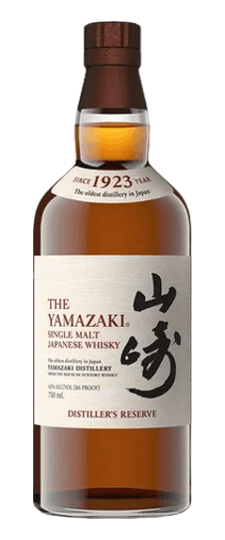
The Yamazaki Distillery doesn't release new products very often and when the Distiller's Reserve was release in Japan way back in 2014, we were excited to have a new Yamazaki to sell. It only took about a decade or so for them to release the product stateside. While critics hemmed and hawed about the lack of age statements, the public has embraced this release with gusto. Turns out there are some pretty incredible old whiskies in the blend, and it easily competes with the more expensive 12-year-old. Many will even prefer the richer robust style that the Reserve brings. Yamazaki Distiller's Reserve, Suntory's flagship single malt whisky, is comprised of a blend of American, Spanish, and ex-Bordeaux French oak with some old sherry casks over 18 years old. Each component is expertly blended with the great care that all Suntory whiskies are afforded.
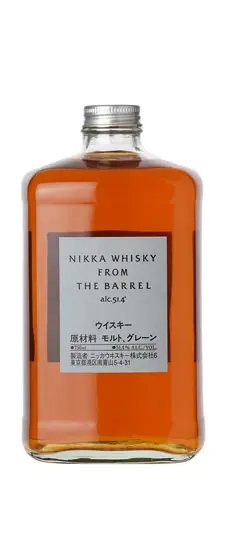
For Nikka From the Barrel, it’s been a long road to Whisky of the Year. This Japanese blend made its U.S. debut in 2018, but its inception dates back more than 30 years. In 1985, Nikka Whisky Distilling Company’s blending team, led by Shigeo Sato, designed this whisky using both malt and grain whiskies produced at Nikka’s Yoichi and Miyagikyo Distilleries. When taking into account the full array of casks—bourbon barrels, sherry butts, refill hogsheads, and more—over 100 different constituent whiskies are enlisted. “From the Barrel” suggests barrel proof, but that’s not the case. The blenders made a conscious decision to bottle at 51.4% (derived from 90 British Proof) to deliver maximum flavor impact. They succeeded. Notably balanced and elegant, the colorful palette of whiskies combines for tremendous depth of flavor. Soft, sweet butterscotch and orange peel meet poached pears and stone fruits. Earthiness appears as dried autumn leaves, coffee, old oak, and tobacco. Among the tangle of spices, tasters identified chili pepper, allspice, cloves, and universally adored its ginger note. Finally, wisps of smoke and sea salt. Overall, it feels generously malty, with the grain whisky lending broad sweetness and supple mouthfeel across the long finish. Beyond its delightful flavors, Nikka From the Barrel presents some paradoxes worthy of contemplation over a glass. It is a classic, yet new to the U.S. It is typically Japanese, yet singularly magnificent. Jeffery Lindenmuth
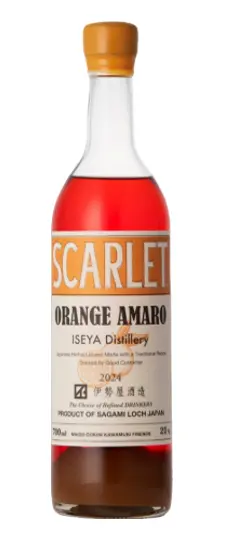
Scarlet Orange Amaro is a vibrant Japanese blood orange liqueur produced by founder Tatsuya Motonaga at Iseya Distillery in Sagamihara. The project begins with blood oranges grown on a friend’s farm in Ehime Prefecture, one of Japan’s most celebrated citrus-growing regions. Motonaga and a team of 70 volunteers hand-press the freshly harvested fruit, immediately transferring the juice to stainless steel tanks to preserve its freshness. Meanwhile, the peels are joined by more than 25 botanicals, including lemon balm, bramble leaves, ginger and camellia flowers, and macerated in a neutral sugarcane spirit distilled specifically for the project. The resulting aromatized spirit is blended with the fresh blood orange juice and bottled immediately. Japanese beet sugar provides sweetness, while traditional cochineal lends Scarlet its distinctive natural color. The result is an exceptionally thoughtful marriage of locally grown Japanese citrus, careful hand processing and classic amaro production techniques. Bottled at 20% ABV, Scarlet Orange is a fascinating addition to Japan’s rapidly developing culture of artisanal liqueurs and an exceptionally versatile bottle for cocktails or simple service over ice.
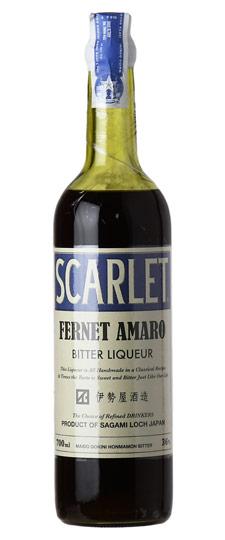
This might be my point of no return for the Fernet rabbit-hole. Such a consistent profile across all their amari. This one is at the digestif end of their spectrum. If you have a Fernet lover in your circle, they'll flip for it! Deep and herbaceous, slightly minty with a hint of chocolate. I will look back to this bottle from now on.
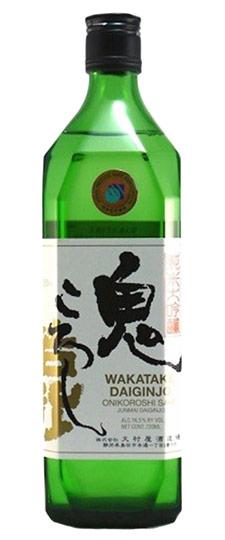
Happily, as of today, we are back to tasting sake and this is a grand place to start! It has a very pretty nose of banana, lychee and melon. A real pleasure just to smell. In the mouth, it has a rich mouthfeel, with additional banana, vanilla cream, and a (light) hint of apricot. There is a nice dryness to counteract the overall richness of the taste. I tasted this chilled but, not especially cold. I can't wait to see what we will taste next week!
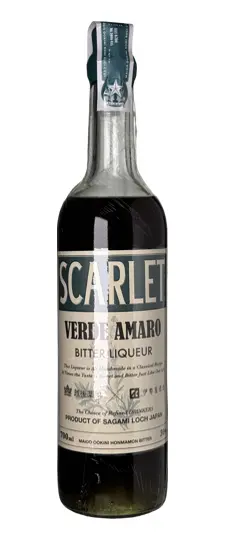
I expected a Chartreuse substitute but instead encountered a sophisticated, balanced palate pleaser. Delightfully herbaceous but not sharp, all amari from this producer enrobe but do not overwhelm the palate. Fantastic!
Katsunuma, in Yamanashi Prefecture, is one of Japan’s historic centers of winemaking. Domaine Mie Ikeno’s 2021 Pinot Noir highlights another thread in the country’s wine story: the cultivation of international varieties, including this red grape whose historic home lies in France’s Burgundy region.
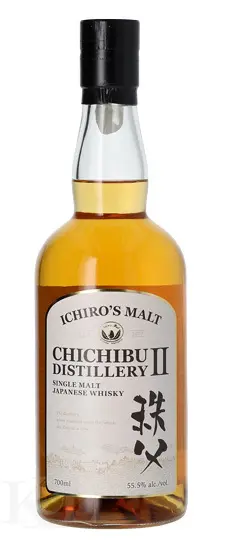
Founded by Ichiro Akuto, Chichibu began distilling in Saitama Prefecture in 2008 and became a defining name in modern Japanese whisky. This single malt highlights Chichibu Distillery II, the producer’s second distillery, which commenced production in 2019 near the original site and expanded the house’s whisky-making capacity.

Product details coming soon.
Product details coming soon.
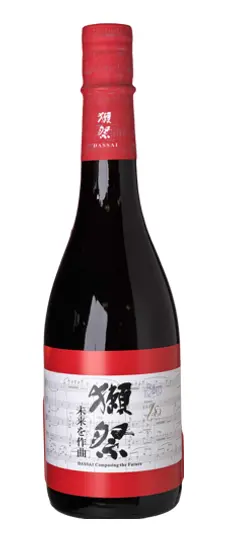
Dassai is the flagship sake brand of Asahi Shuzo, founded in Yamaguchi Prefecture and known for concentrating its production on junmai daiginjo. This designation requires rice polished to 50% or less of its original weight and is made without added distilled alcohol. “Composing the Future” is presented here in a 720ml bottle.
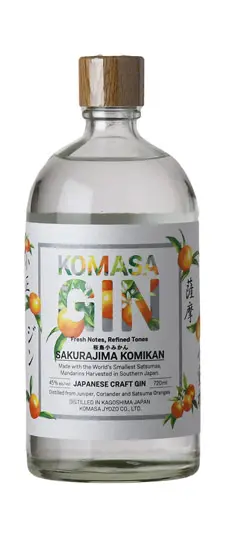
This exceptional gin comes from Kagoshima Prefecture. Founded in 1883 Komasa Jyozo has been producing spirits for over a century for local temples. In 2018 they added gin to their repertoire. Using rice shochu as the base, Komasa Distillery nurtures a reserved list of botanicals for its gin, including the star ingredient, Sakurajima komikan, Japan’s smallest mandarin orange, which takes its name from the active volcanic island from which it originates. These little “mikan” grow on all sides of the island, but even when cultivated in nearby greenhouses, ash from the volcano falls year-round and must be consistently brushed away from the fruit skin by hand, otherwise incurring damage to the final yield. The harvest season for these sweet oranges lasts only a month, making Komasa Gin both a labor of love and an ingenious way to enjoy this precious fruit year-round.
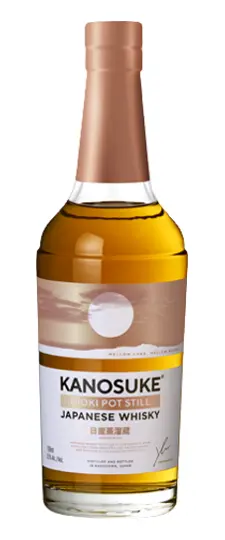
Kanosuke draws on the Komasa family’s Kagoshima distilling heritage, which dates to 1883. Hioki Pot Still is produced at the company’s Hioki Distillery in Kyushu using malted and unmalted barley and pot-still distillation, an approach that distinguishes this Japanese whisky from Kanosuke’s single malt releases.
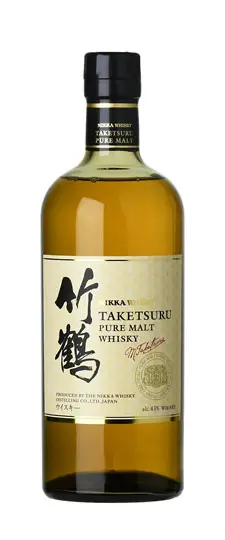
The luxe aroma mixes rich butterscotch and apple sweetness. On the palate, this whisky is light and gentle, interspersing fruit and smoke and finishing with a spark of cinnamon heat. Add a splash of water; recommended for sipping. *Top 100 Spirit of 2016* (KN)
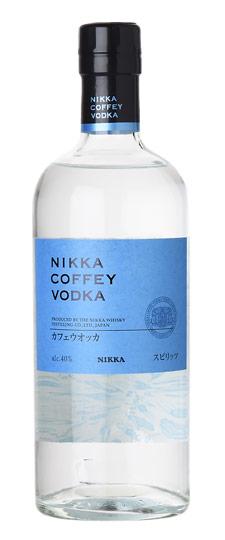
The name of this whisky has nothing to do with coffee—rather, it's named for a type of still invented by Aneas Coffey, which is used to make this golden spirit. It offers mild vanilla-pear aromatics and is relatively light and silky on the palate. Look for a light vanilla sweetness at first, which gives way to a rounded dark chocolate note and baking spice finish. Recommended for highballs and other mixed drinks. (KN)
Chestnut barrels and Spanish oak sherry casks take center stage in Solla, the eleventh release in Mars' Lucky Cat series. These limited blends celebrate the cats belonging to President Kazuto Hombo, with each edition's composition inspired by its namesake's personality. Solla joined the family after Hombo's wife discovered the cream-colored kitten crying in roadside bushes on a rainy June afternoon. His name expresses the hope that he would grow up as bright as the sun, while his warm coloring and mischievous disposition inspired this particular blend. Released in November 2025, Solla is created at Mars Komagatake Distillery, formerly known as Shinshu, in Nagano's Japanese Alps. It combines unpeated malt and grain whiskies, including grain whisky produced in Britain and Japan. The malt component is double distilled in copper pot stills, with chestnut-aged and Spanish oak sherry-aged malts supported by whiskies matured in American oak and ex-wine casks. Granite-filtered Alpine water from nearby Mount Kiso-Komagatake brings the blend to its bottling strength of 43% ABV. Approximately 9,900 bottles were produced, released without an age statement and without chill filtration.
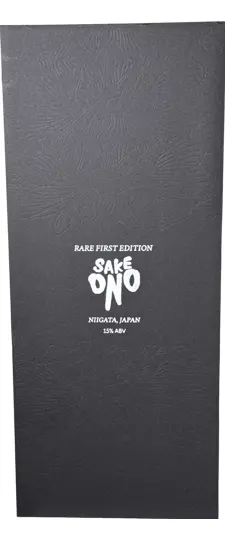
Junmai Daiginjo is a premium sake classification requiring rice polished to 50% or less of its original weight, with no added distilled alcohol. This 720ml First Edition release from Sake Ono is produced in Japan on Honshu, the country’s largest island and its historic center of sake brewing.
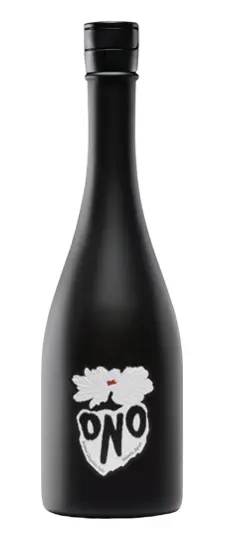
If you're looking for a clean and bright sake that will pair well with meats and cheeses and vegetables, look no further. This is it! Of course, it will also pair very well with sashimi and sushi. Clean and quite bright, with light to medium body, it has mellow citrus flavors with white melon and tart green fruits. It widens slightly on the mid-palate and expands with a very nice hint of creaminess. Simply put, it's pretty much perfect with a huge array of foods or just as enjoyable by itself or even in a cocktail. They even gave me a recipe for a Vesper martini with this sake as a key ingredient. That also looks delicious!
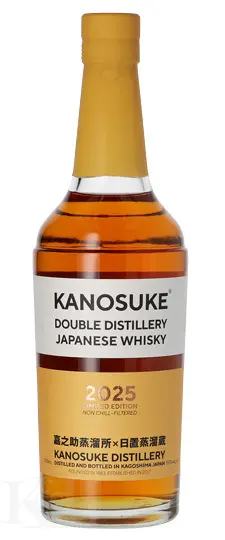
Kanosuke Distillery began making whisky in 2017 on Kagoshima’s coast, extending the Komasa family’s distilling heritage, which dates to 1883. This limited 2025 blended Japanese whisky brings together spirits from Kanosuke and its sister site, Hioki Distillery, reflecting two distinct Kyushu distilling operations.
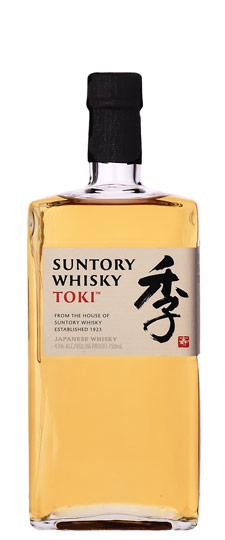
While it may seem that our world is suddenly awash in Japanese single malts, the fact is that we’re already in a shortage. Last year, as demand continued to build for its limited stocks, Suntory took the age statement off its Hibiki, suggesting less of the precious older stocks were being used. This year, they’ve introduced Toki, a welcome addition to the portfolio. Whereas Hibiki is a burnished, complex sipper, Suntory’s latest release, Toki, is a light, bright, perky spirit with a surprising punch of flavor—apple, citrus and honey notes backed by a lingering smokiness. It makes an elegant summer whisky served on the rocks, but it also seems destined to usher the return of the whisky highball, which has become the drink of choice in Tokyo these days. It’s very refreshing when made as they do, stirred over rocks in a tall glass, then joined with super-bubbly soda water and a lemon twist. *Year's Best Spirits 2016* (JM)
Yamanashi is a historic center of Japanese winemaking, with commercial wine production dating to the 19th century. Domaine Mie Ikeno’s 2021 Merlot brings a grape with roots in Bordeaux to this Japanese prefecture, connecting an internationally cultivated variety with one of the country’s principal winegrowing areas.
Insider's Advantage
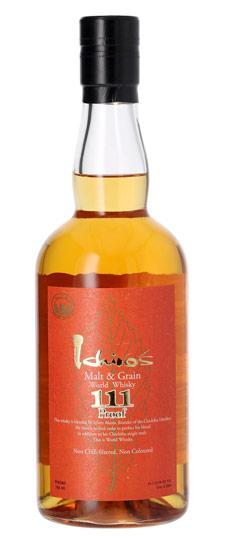
In a marked departure from Chichibu Distillery's flagship "white label" world whisky, Ichiro's Malt & Grain 111 Proof features the inclusion of peated malt, an entirely new cask regimen, and is bottled at the highest proof for a core blend outside of Chichibu's distillery-exclusive releases. This US-exclusive blend of malt and grain whiskies vatted and matured by Chichibu Distillery in Saitama, Japan. Whiskies include Scotch, Canadian rye, American whiskey, Irish whiskey, and Ichiro's own Japanese single malt — aged 4-17 years in a combination of cask types including ex-bourbon and ex-rye whiskey barrels. Bottled at a 55.5% ABV without additives or coloring and non-chill filtered. Tasting notes from the distiller: "Sweet aromas of cola, shortbread, and tobacco precede a palate highlighting candied orange and dried pineapple with subtle peat smoke on a finish flush with tropical fruit and sea salt."
Kirinzan Brewery was founded in 1843 in Tsugawa, a historic river town in Niigata Prefecture on Japan’s main island of Honshu. This Blue Bottle carries the Junmai Daiginjo designation, reserved for sake made without added distilled alcohol and from rice polished to 50% or less of its original weight.
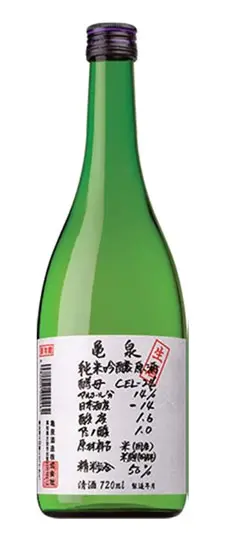
Humoto saketen was founded in 1897 in what is now the Izuma neighborhood of Tosa City. Kameizumi, meaning turtle's spring, is a reference to the water source from a spring which is part of Niyado river system, which is as not run dry since long before the Edo period, even in periods of extreme drought. This fertile region in Kochi prefecture is on the southern coast of Shikoku Island. At the base of Hage Mountain, the low lying coast plain is covered in rice fields. Kameizumi is dedicated to producing "delicious, enjoyable to drink, and distinctive." Eternal Spring is their flag ship product. Made with the Cel-24 yeast strain, which was developed in collaboration with other Kochi breweries and using two different kinds of rice. Hatannishiki from Hiroshima, across the bay from Tosa City and Matsuyama Me, from nearby Ehime prefecture all polished to 50%. Unpasteurized and undiluted (Namazake Genshu) it is sold year round, unlike most Namasake. The bold yeast flavors of undiluted Namazake are contrasted by a very vibrant and powerful fruitiness. Rich and textured without moving into the overtly sweet flavors, this sake as the brewer describes, easy to drink, yet not boring or predictable at all!
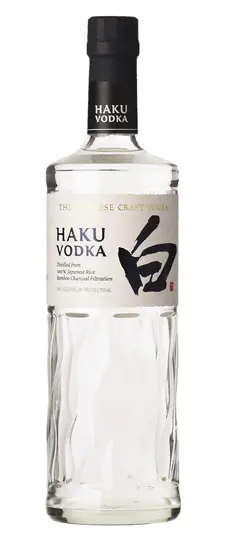
Suntory is the biggest name in Japanese whiskey, playing a pivotal, some might say definitive, role in establishing the category as a global market phenomenon. Indeed, many of the most sought-after, benchmark labels are distilled and bottled under the Suntory banner. So, it was only a matter of time before they threw their hat into the clear spirits game. Enter Haku, an ultra-premium vodka distilled from the finest white rice. From the producer: "HAKU Vodka, brought to life by the House of Suntory, is a Japanese premium craft vodka made from 100 percent Japanese white rice. Although the Japanese word "haku" literally means "white," the subtlety of the Japanese language often gives the characters several meanings. While "haku" is rooted in the word "hakumai," meaning white rice, the nuanced meaning can also be translated as "junpaku," which means an untainted brilliance and refers to HAKU's clear, clean, and luminous flavor. HAKU begins its distillation process in Kagoshima, Kyushu, a region well-known for rice spirit making. The process includes a meticulous mill and polish, where 100 percent Japanese white rice is fermented to create a mash. The mash is distilled through pot stills to create a rice spirit, and then distilled a second time through two different processes to create its uniquely flavored liquid. This liquid is then blended and filtered through bamboo charcoal in Osaka, Japan."
Mars' Lucky Cat series turns the personalities of President Kazuto Hombo's beloved cats into an ongoing exploration of whisky blending. Released in 2026, Choco & Luna is the twelfth edition of the series and the fourth in its Double Individuals collection, which pairs two cats and builds a blend around their contrasting characters. Choco is outgoing and persistently affectionate, while Luna generally prefers her own space, providing the inspiration for this release's balance of sweetness and a more assertive finish. Created at Mars Komagatake Distillery, formerly known as Shinshu, in the Japanese Alps of Nagano, the whisky combines unpeated malt and grain whiskies. The malt component is double distilled in copper pot stills, while the grain whiskies include spirits produced in Britain, the United States, and Japan. The cask selection features American and Spanish oak, ex-Oloroso sherry, ex-port, and Japanese cherry wood, bringing several distinct maturation traditions into the blend. Granite-filtered Alpine water from nearby Mount Kiso-Komagatake is used to bring the whisky to its bottling strength of 43% ABV. Approximately 10,000 bottles were produced, released without an age statement and without chill filtration.
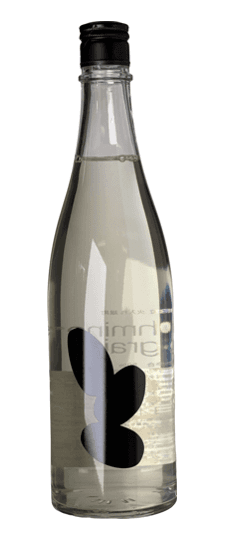
Ohmine Shuzou was founded in 1822 in Mine, Yamaguchi, and returned to sake production in 2010 after more than half a century of dormancy. This “3 Grain” bottling uses Omachi, a historic sake rice variety discovered in Okayama in the 19th century and valued as a parent of many later brewing-rice cultivars.
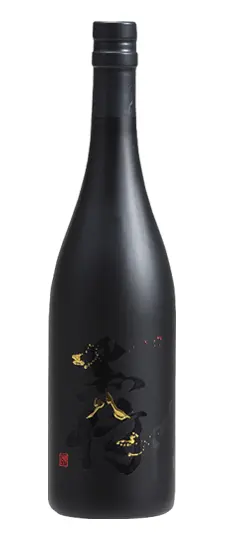
I, like many in this industry, am deeply skeptical of celebrity backed brands. Too often the famous name is little more than a marketing vehicle, detached from the actual liquid in the bottle. But on the rare occasion when the person behind the label is genuinely invested, not just financially but creatively, there is at least a chance for something compelling. What’s far rarer is a project where that involvement extends all the way through blending and production, anchored by a real connection to place. That is exactly what makes Rui Hachimura’s collaboration with Masuda Brewery worth serious attention. Hachimura isn’t just lending his name here, he’s working with one of Toyama’s most respected producers, a brewery long known for championing a drier, more refined house style that stands apart from the flashier, fruit driven profiles that dominate the export market. Masuda has built its reputation on precision, restraint, and clarity, and this blend reflects those values with remarkable fidelity. The aromatic profile leans subtle rather than showy, offering delicate suggestions of young mango, pear blossom, and a faint mineral edge that recalls crushed stone. It’s not about overt richness, but about purity and balance. On the palate, the sake walks a fine line between texture and lift. There is real weight here, but it never tips into heaviness, the structure keeping everything taut and composed. The finish is clean, persistent, and quietly complex, inviting another sip rather than overwhelming the senses. It’s a style that rewards attention but remains effortlessly drinkable. More importantly, it succeeds where so many prestige bottlings fail. This isn’t trying to impress through excess or gimmickry. It’s thoughtful, authentic, and genuinely delicious. It outclasses plenty of “luxury” sake that cost more and deliver less. We’re proud to stock our favorite Laker’s sake, not because of what he does on the court, but because this is simply excellent sake. Kanpai.
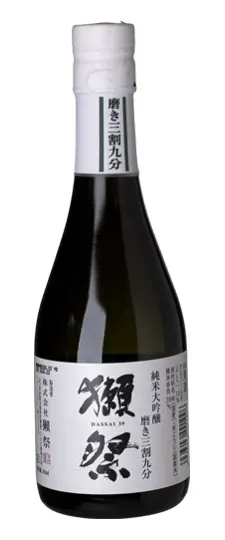
Asahi Shuzo produces Dassai in Yamaguchi Prefecture using Yamada Nishiki, Japan’s renowned sake-brewing rice. The “39” denotes a polishing ratio of 39%, meaning 61% of each rice grain is milled away before brewing. This junmai daiginjo is presented in a convenient 300ml bottle.
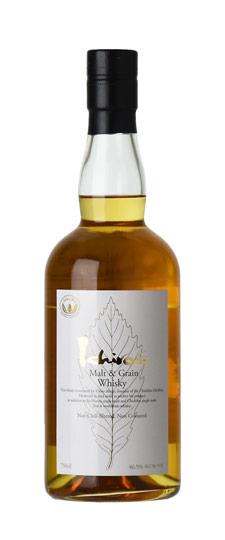
A unifying blend of 10 year old Chichibu, with select stocks of American, Canadian, Irish, and scotch whiskies matured in Japan, produces a nose of toffee apple, firm caramel, milk chocolate, ground hazelnut, roasted fennel seed, chopped cilantro stalks, green banana, and struck match. Cereal-led palate with Golden Grahams, light fruits of apricot, peach, and melon, base notes of pepper, moving through butterscotch, toffee, maple syrup, and crème caramel. (JM, Fall-2020)
Banana cream and anise seeds are present throughout the pallet. This Daiginjo is light and dry with a smooth finish. It is recommended to be served cold between 40-60 degrees. Fresh oysters and fish go well with this sake.
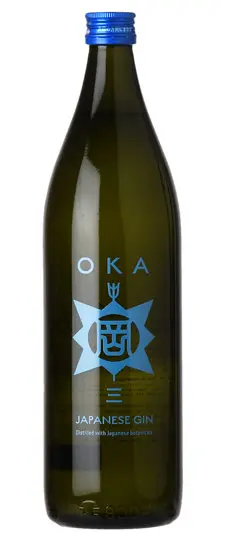
This rice-spirit based gin has a rich nose that's filled with yuzu, orange zest and juniper with edges of sansho peppercorn and ginger with a hint of olive rounding out the nose and keeping it from being unbalanced. The palate hits with loads of fresh citrus and an appealing viscosity, just weighty enough for an ultra-sippable martini. Finishing up with watermelon rind and more savory peppercorn and ginger around the edges, there's a pleasant bite of juniper lingering there. This is an ultra-approachable and ultra-flexible gin that would make a great addition to any bar, especially if you're planning on making a variety of cocktails.
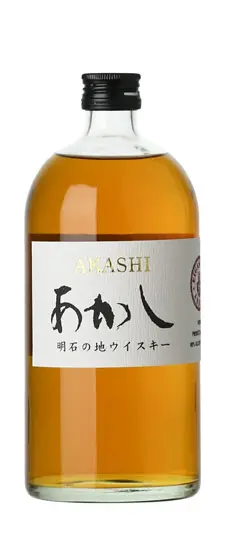
A single malt spirit, this Japanese whisky is actually all distilled in Japan at the Akashi distillery. It's loaded with caramel, vanilla, and rich cereal notes. A great everyday drinker at an affordable price that is distilled in the country it's claimed to be from - a rarity these days.
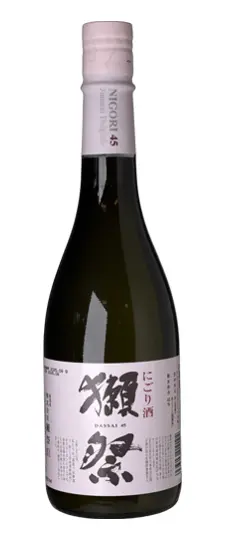
The Asahi Shuzo brewery took a gamble when it restructured to focus solely on Junmai Daiginjo sake, but the gamble paid off and brought us this delightful sake. Thanks to them you can now try high quality sake at a reasonable price. Dassai "45" is the better version of the popular Dassai "50" which was known for its premium quality worldwide. With engaging flavors and easy pair-ability its no wonder that this sake is popular everywhere. Drink this floral daiginjo cold with sashimi, crudites, and pickles. Bring Dassai 45 to a dinner or housewarming party for something a little elegant that won’t break the bank.
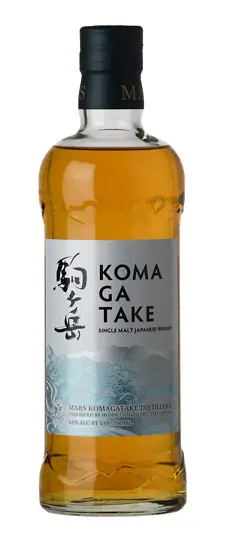
Mars began releasing vintage-dated expressions of Komagatake single malt in 2018, each bottling meant to express a distinct profile and the best blend of the year’s selected barrels. The Nagano distillery has always had an overarching vision, however, to codify its house style for a consistently available, non-age-statement single malt. Now, with a clear sense of the "clean and rich" character that Komagatake wishes to relay, and a store of enough alpine-aged whisky to make their vision possible, Mars has released their flagship Komagatake NAS single malt aged a minimum 5 years in a combination of ex-bourbon, ex-sherry, ex-port, and ex-wine casks (primarily from Mars wineries) at an ABV of 45% for sessionable drinking. Enjoy on the rocks, or over ice with a splash of club soda as preferred by Mars President Kazuto Hombo.
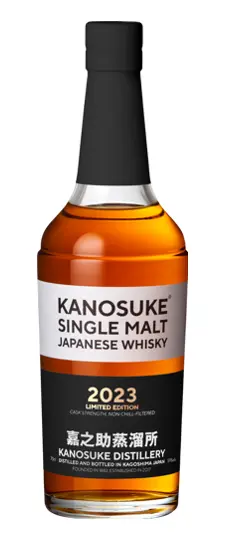
This peaty expression—despite its name it was not released until 2024—was matured in sherry casks and re-charred American oak Mellow Kozuru shochu casks. Salty seaweed, vanilla, chocolaty peat smoke, clove, antiseptic, and toasted raisin bread on the nose. Effortlessly drinkable at cask strength, with flavors of chocolate chip, raisin, cherry, and smoke, with sweeter milk chocolate, juicy sultana, and mixed peel notes emerging. The finish brings milk chocolate, cinnamon, and raspberry jam doughnut filling. (JM, Winter-2024)
Join our list
Exclusive offers, new arrivals, and expert picks