

Search Results
- Puglia
12 Results
Top Pick
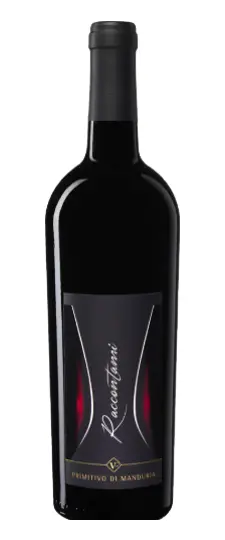
This is showing aromas of dried cranberry, clove, grilled herb and baked plum. It’s full-bodied with ripe and broad tannins. A little jammy, but balanced. Drink now or hold. (CN)
Compare to $30 Elsewhere
Top Pick
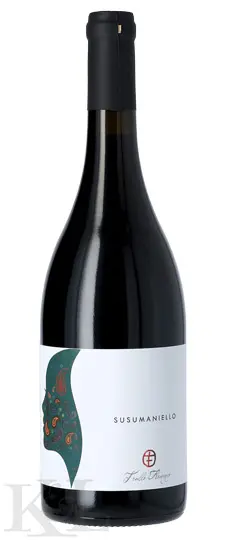
Susumaniello takes its name from somarello, the little donkey of Puglian dialect, because a young vine carries enormous loads of fruit before its yields collapse with age, and that temperament is precisely why the variety was abandoned for Negroamaro and Primitivo and had almost vanished from the Brindisi countryside before a handful of estates replanted it. Trullo Flaminio put in two hectares in 2016 on the same clay-and-limestone ground as its old-vine Negroamaro, near the sea along the Via Appia, so this 2020 comes from vines in their fourth leaf, the donkey at its most generous. The winemaking is simple and transparent: native-yeast fermentation in concrete, with 80% of the wine raised in concrete and 20% in used tonneaux, no new wood anywhere. 2020 was a balanced season in Salento, without 2021's drought or 2022's extreme heat, and six years in bottle have turned the grape's famous blue fruit toward something darker and more savory. In the glass, it pours an inky, nearly opaque purple with a narrow garnet rim. The nose is blueberry, black mulberry and violet, with black pepper, dried fig and a cool note of eucalyptus. On the palate it is round and juicy, with soft, velvety tannins, fresh acidity and a long, dark-fruited finish that stays clean. This is Susumaniello as a drinking wine rather than a curiosity, pure and unforced. Drink now and through 2027, with bombette from the Valle d'Itria, braciole al sugo, or burrata and a wood-fired pizza.
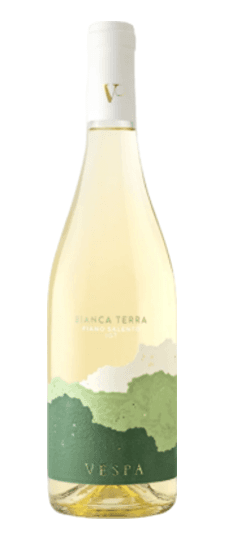
Bianca Terra is Vespa’s Fiano from Salento, the southern part of Puglia. Bruno Vespa and his sons established the winery in 2014 at Masseria Li Reni in Manduria, a 16th-century property restored by the family. Working with winemaker Riccardo Cotarella, they developed a portfolio that includes Puglia’s Primitivo, Negroamaro and Fiano. Bianca Terra was first produced in 2014. The 2024 was made from Fiano grapes that were crushed, destemmed and gently pressed. Fermentation took place in stainless steel at 14–16°C for 15 days, according to the importer’s vintage-specific technical sheet. It is bottled under the Salento IGT designation. For serving, the importer recommends 10–12°C with fish dishes, a useful starting point for this white from the Vespa family’s Manduria project.
Top Pick
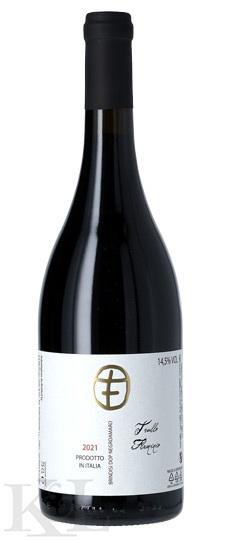
Trullo Flaminio exists because four friends from the wine trade could not let two hectares of fifty-year-old alberello Negroamaro disappear when the grower who had tended them for decades sold up in 2016; the vines stand on red clay over the Salento limestone a few kilometres from the Adriatic, on the line of the ancient Via Appia outside Brindisi. The wine is made without tricks: picked at the end of September with two extra weeks on the vine, fermented in concrete with native yeasts and raised eight months in used tonneaux, so what you taste is old vines and a hot peninsula rather than a cellar. 2021 was Puglia's drought year, a small, healthy crop picked from mid-September that gave dark, concentrated wines, and five years in bottle have softened its edges. In the glass, it pours a deep, dark ruby with a garnet rim. The nose is black plum, dried cherry, rosemary and tobacco leaf, with a smoky, sun-warmed note of crushed terracotta. On the palate it is full-bodied but not heavy, with round, grainy tannins and enough acidity to keep the fruit lifted; the finish is savory and long, closing on the bitter-almond note that is the variety's fingerprint. This is honest, old-school Negroamaro, fiercely unmanipulated and at its peak. Drink now and through 2028, with orecchiette and ragù di braciole, grilled lamb, or aged caciocavallo.
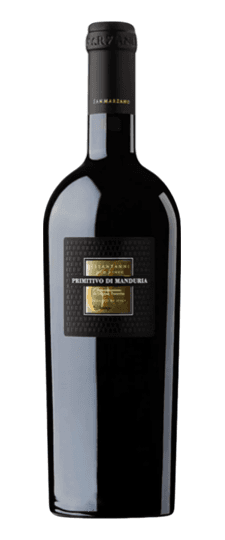
Founded in 1962 by 19 grape growers in Puglia, San Marzano has its roots in the region’s cooperative winemaking tradition. Its 2020 “Sessantanni” showcases Primitivo, a grape genetically identical to Zinfandel. Those two names connect Puglia’s wine heritage with a variety closely associated with California, while reflecting distinct regional identities.
Insider's Advantage
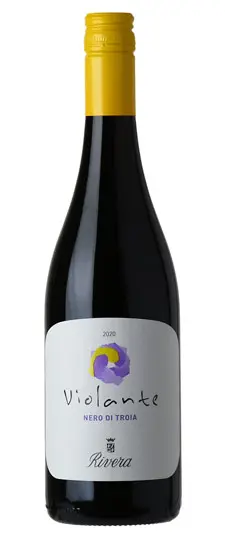
The 2020 Rivera "Violante" Nero di Troia is a fresh and luminous expression of one of Puglia's most historic indigenous grapes, grown on the limestone-rich soils of the Castel del Monte area. On the nose, it offers a vibrant and "crunchy" bouquet of wild red berries and raspberries layered with distinct floral notes of sweet violet and a subtle hint of star anise. The palate is medium-bodied and exceptionally agile, balancing its juicy fruit core with a refreshing mineral vein and fine, well-integrated tannins. It finishes clean and persistent with a savory, saline lift and a touch of Mediterranean herbs, making it a highly drinkable red that avoids the heavy extraction often associated with Southern Italy.
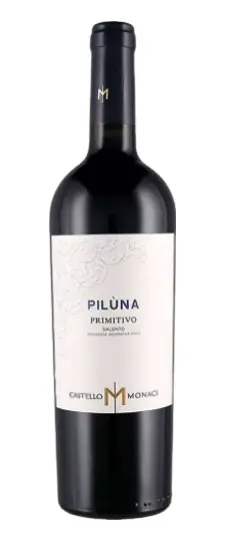
Sour cherries, sultanas, dried oranges and sweet spices on the nose, followed by a medium- to full-bodied, jammy and lightly sweet-sour palate. Ripe tannins. Drink now. (CN)
Wine Club
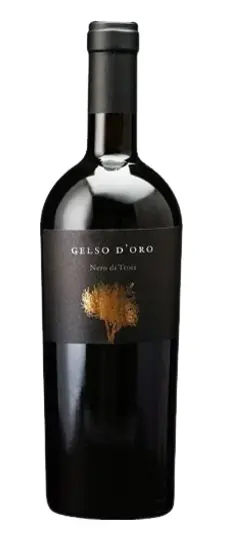
We head far south to the sun-baked, wind-swept coast of northern Puglia to discover Podere 29. Situated in the Daunia region near the Adriatic Sea, this organic estate is fiercely dedicated to elevating the local, historic grape of the area: Nero di Troia. The name "Gelso D'Oro" translates to "Golden Mulberry," paying homage to the ancient mulberry trees that dot the estate and symbolize the deep agricultural heritage of the land. While Puglia is famous for producing massive, jammy reds from Primitivo further south, Nero di Troia in this northern coastal pocket behaves differently. The vineyards here thrive on sandy, mineral-rich soils that are constantly ventilated by salty sea breezes. This maritime influence is crucial; it mitigates the intense Southern Italian heat, allowing for a long, slow ripening season that preserves the grape's natural acidity and complex aromatics. "Gelso D'Oro" is the estate's crown jewel. In the glass, it pours an inky, impenetrable ruby. The nose is a profound sensory journey into the Mediterranean scrub, exploding with the grape's signature aroma of crushed violets, followed by dark blackberry, dried figs, and roasted cocoa. On the palate, it is enveloping and powerful, yet held together by a surprising coastal freshness and velvety tannins. It is a magnificent, soulful red that demands rich, slow-braised meats or aged Pecorino cheese.
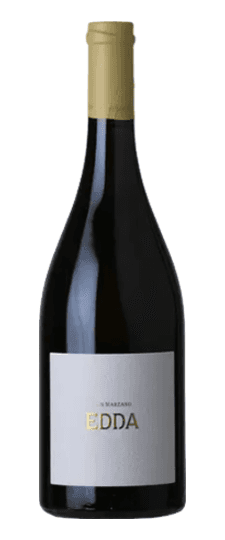
Lovely tropical and yellow fruit on the nose, such as pineapple, lychees and melon, as well as seashells and flowers. It’s fresh and gently saline with a medium to full body. Drink now. (CN)
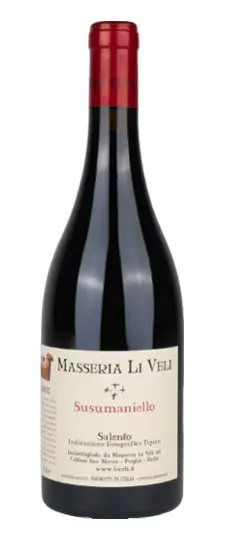
The dusty and floral 2023 Susumaniello Askos offers a refined bouquet of crushed blackberries, incense and exotic spice. Silky and round, its core of tactile minerals adds form toward the close. The 2023 finishes structured and long, leaving a coating of fine tannins and a lingering resonance of polished wild berry fruit. This could use some time in the cellar to come fully into focus, but it shows the complexity that Susumaniello can deliver. (EG) 92+
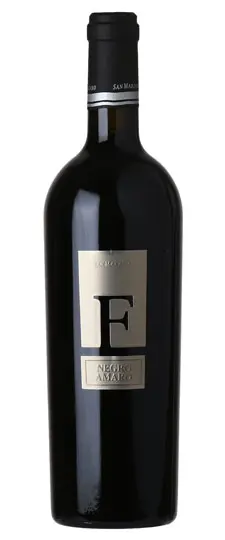
Roasted mushrooms, olives, baked black fruit and gravy on the nose. It’s full-bodied, lightly jammy and sweet-savory in character with well-integrated tannins. Mushroom notes linger. Drink now. (CN)
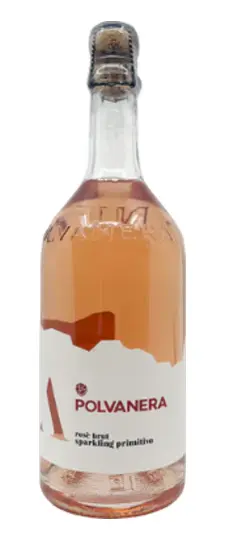
The 2023 Cantine Polvanera Spumante Brut Rosé "A" (Puglia IGT) is a highly distinctive, remarkably refreshing sparkling wine that completely subverts expectations for Primitivo. Rather than channeling the heavy, jammy, and high-alcohol profile often associated with the grape, Filippo Cassano crafts this 100% organic Primitivo from the cool, iron-rich, and limestone-bedded soils of Vigneto Conetto in Acquaviva delle Fonti, harvested early in the last week of August to preserve high natural acidity. Vinified using the Metodo Martinotti (Charmat method), the juice undergoes a gentle pressing followed by secondary fermentation in low-temperature autoclaves, resting on its fine lees for three months to integrate its carbonation while keeping the primary fruit crystalline. In the glass, it shows a bright coral-pink color with a energetic, persistent froth. The nose is highly expressive, primary, and lifted, bursting with field strawberries, sour red cherries, and fresh rose petals, complexed by a vibrant, citrusy top note of mandarin orange. On the palate, the wine balances its 12% ABV frame with an exceptionally crisp, nervous acidic spine and a prominent, driving line of iron-like saline minerality that cuts cleanly through the full, fleshy mid-palate fruit. It finishes bone-dry, lip-smackingly fresh, and savory, leaves a distinctive, pleasant hint of bitter almond and wild thyme on the back-palate.
Join our list
Exclusive offers, new arrivals, and expert picks