Spirits
We started as K&L Liquors back in 1976, and while the name has changed, our obsession with great spirits has only grown. Today our buyers travel to Kentucky rickhouses, Scottish distilleries, and agave fields in Oaxaca to hand-select exclusive single barrels and small batches you won’t find anywhere else. From our own Faultline label to the biggest names in whiskey, we carry it all — and our real-time inventory means what you see is what we’ve got.
2500+ Results
Pre-Arrival
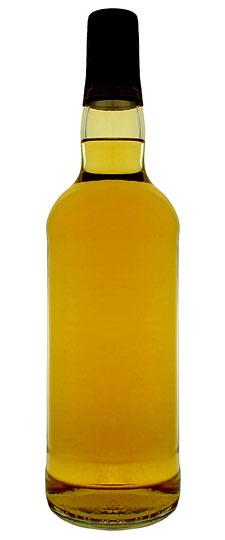
Few spirits in Scotland are rarer than those from the two tightly controlled distilleries on Islay's southern coast. Over the years, we have occasionally offered both named and unnamed versions of this special spirit, but every time we do there is a feeling that it might be the last. These stocks almost never appear on the independent market, and true single casks are rarer still. What has never been surprising is the outrageous cost they command. Our last named Ardbeg single cask was a Chieftain's barrel, 15 years old and priced at $240. Before that, only a tiny handful of Ardbeg single casks had been made available to us over many, many years. So when we saw the magic word "Kildalton" on this sample, we assumed it had to be something unusual or off-profile. Perhaps an unpeated version, or maybe a teaspooned blend. Not this time. This exudes that beautiful, ashy white smoke we know and love from the masters at the end of the road on Islay's south shore. Distilled on October 31, 2006, it was filled into a refill butt and aged for nearly 20 years before being bottled at full cask strength of 52.7%, without chillfiltration. Very few barrels at this quality to price ratio have ever existed and while we'd welcome many more like it, its unlikely that these sorts of stocks will become a regular feature of our selection.
Estimated Fulfillment: 11/30/2026
Top Pick
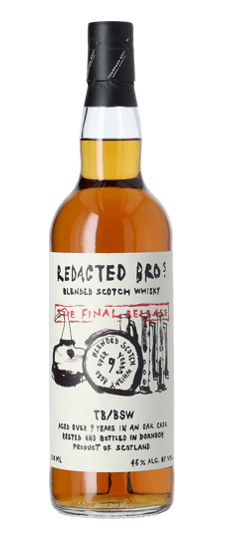
There’s simply nothing more fascinating in the whisky world than the inner workings of the big Scotch industry. From the outside, it looks like an industrial monolith of unfathomable proportions, and it’s easy to forget that the whole thing is run by people doing difficult, often dirty jobs. And people make mistakes! Sometimes someone accidentally empties a tanker of top-tier sherried single malt into a vat containing a tiny amount of young grain whisky. What can you do? In the old days, you might have ended up with a slightly better batch of Cutty Sark. Today, that malt is far too valuable to disappear into an everyday blend. Thankfully, our friends in Dornoch have excellent relationships throughout the industry and get first crack at some extraordinary parcels. Better still, they had the patience to give this one more time. While the front label says nine years, we understand that 99.999% of the contents is sherry-matured single malt from one of Scotland’s most prestigious distilleries, now aged 15 years. Incredible for $65. This is the final batch of this particular parcel, so we’ll have to wait for someone else to make a very expensive mistake before anything like it comes around again. Shall we? The color is a vibrant burnished gold (1.1). The nose is pure oloroso: roasted nuts, oxidative depth, leather, stone fruit compote, marmalade, roasted arabica, and the wonderfully evocative scent of an old dunnage warehouse. The palate opens sweetly with dense stone fruit, mostly apricot, before an oily mid-palate delivers old-school sherry rancio. It’s less sugary and less dominated by red fruit than many modern sherry bombs, but it sacrifices nothing in character. To my palate, these flavors are closer to great old sherry itself than the overtly wine-driven profiles we encounter so often today. This is one of the best Scotch whisky deals we’ve ever offered, a truly special bottle whose quality is immediately apparent, even without knowing the improbable story behind it.
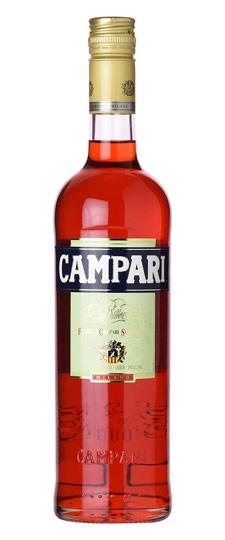
The original red bitter is vivid scarlet, with a grapefruit peel-like aroma and flavor. The palate is bitter and bright, with a lighter body than many liqueurs and a hint of cinnamon on the bracing exit. Classic for mixing into a wide range of cocktails. (KN)
Pre-Arrival
Top Pick
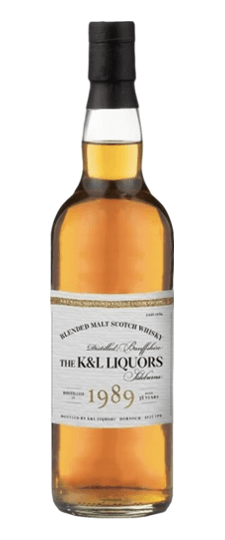
After 18 years of buying spirits for K&L, this special parcel may be my crowning achievement. Just a few years ago, it would have been nearly unfathomable that we could gain access to stocks of this quality at such low prices. We have, of course, bottled similar whiskies before. Years back, we secured a 1991 version from Hunter Laing, and only last year we offered a Faultline barrel from 1998 that sold out almost immediately. Now, we bring you another "Single Vintage Blended Malt" a full decade that barrel's senior for exactly the same price. It is an absolute coup and, if I’m honest, may get me in a little trouble, but that surely will not stop me. My style has always been to ask forgiveness rather than permission. The true challenge with stocks like this is how you label them. We cannot, under any circumstances, place the distillery name on the label, even though it is beyond doubt where the whisky comes from. The once-accepted trade name Burnside belongs to our dear friends at Cadenhead, and out of respect (and good sense, given their well-known litigious nature) we would never infringe on it. So the question becomes, what do we call this whisky? Our friends at Duncan Taylor sold us that wonderful barrel for our Faultline label that they dubbed “The Huntley,” a reference to their hometown. That option was off the table for us. After some consideration, we settled on a playful nod to our friends in Campbeltown: “The Sideburns.” We are not the first to use the name, but ours is plural, because who on earth needs just one Side-burn? Needless to say, this is one of the most outrageous deals I have ever had the honor of brokering for our shop. It represents the pinnacle of my ongoing effort to push back against one of the most damaging trends in our industry: the erosion of value for the end consumer. If you destroy the primary market for great whisky by pushing prices beyond reason, you eventually destroy the market itself. Too many producers have forgotten the first rule of selling anything: give customers what they want at a price they can afford. Start with the customer’s experience and build the system backward from there, rather than forcing corporate projections and marketing jargon down their throats. What do customers want? Great old malt whisky. But in today’s marketplace, finding a bottle over 25 years old that delivers real value in the glass is nearly impossible. Certainly there are other ways brands create value for their customers through lifestyle, image, luxury packaging, or grand storytelling. But if the true measure is taste—and for me it always is—you will struggle to point to a single product that offers what this whisky does at anywhere near this price. This parcel is, without exaggeration, one of the finest opportunities ever presented to lovers of Scotch worldwide. I hope this is only the beginning. If we can continue to secure parcels like this through new channels, then perhaps we can begin to chip away at the barriers keeping customers from enjoying extraordinary old whisky rather than just looking at them. For now, I am confident in saying this is easily the greatest Scotch deal K&L has offered in its 40-plus year history.
Estimated Fulfillment: 11/30/2026
Top Pick
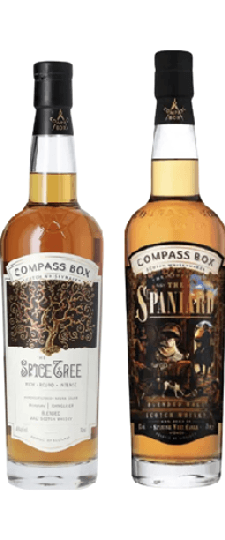
This special Compass Box tasting pack brings together two of the house’s most celebrated expressions, offering a brilliant masterclass in the art of wood management, at an unbelievable price. While both whiskies showcase the blending house's signature richness and complexity, they approach flavor from entirely different geographic traditions, creating a beautiful study in contrasts.Together, this duo offers a phenomenal look at how the same high-quality malt distillate can be steered in wildly divergent directions by the hand of a master blender. Whether you are looking to explore the fiery depth of high-toast oak or the plush sweetness of European wine casks, this combo pack covers all the bases at a price lower than each individual bottle. And with the discontinuation of The Spice Tree expression, this may be your last chance to grab this classic at an unbeatable price.
Compare to $100 Elsewhere
Top Pick
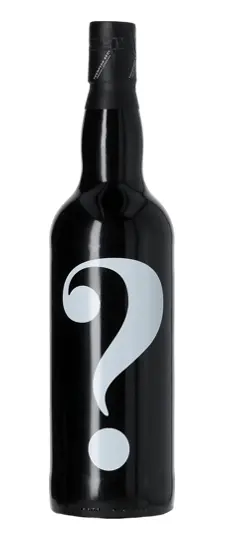
There have been few greater pleasures in my 20-plus years exploring whisky than the opportunity to taste blind. It happens so infrequently, and I have officially exhausted my credits asking my wife to organize tastings, that I simply never get to do it. So when our friends at Thompson Bros first mentioned this project a couple of years ago, I was absolutely floored. They proposed sourcing a huge variety of single casks and bottling them without revealing any specific details until the bottle was opened. I assumed the federal regulators might object, but it turns out the required information can be concealed beneath the capsule. The craziest part of the project is the extraordinary effort the brothers have made to balance the quality of every six-pack. Buy a sealed case and you are guaranteed six completely different single casks, carefully selected so that the overall quality remains remarkably consistent from case to case. It is a ready-made blind tasting requiring virtually no effort, and the list of possible casks is genuinely exciting and unusual. The project has now attracted significant international attention, and distillers increasingly see it as a calling card for their stocks rather than some goofy side project. As a result, the brothers have been able to source particularly compelling barrels for the series. I opened six and could not have had more fun. With a little care, you can easily avoid identifying the distillery when opening each bottle. Simply leave the foil around the cap intact, note which side conceals the round sticker underneath, and keep it facing away. You will have an instant blind tasting of the highest order. For several of these casks, this is the first expression from this distillery ever sold in the US. The list is HERE of what you might encounter: PLEASE NOTE ALL CASKS ARE BOTTLED 48% without Chill-filtration. Distillery AGE No. Bottles Cask Type Speyside 29 Year 89 Btls Refill Sherry Butt Inchmurrin 28 Year 24 Btls Refill Sherry Butt Inchgower 27 Year 29 Btls Refill Bourbon Hogshead Bruichladdich 21 Year 8 Btls First Fill Bourbon ASB Teaninich 17 Year 30 Btls Oloroso Hhd Tormore 17 Year 173 Btls Sauternes Cask Royal Bra 16 Year 19 Btls Refill Hhd Craigellachie 15 Year 64 Btls Refill Hhd Teaninich 12 Year 36 Btls Stout Barrel Bunnahabhain 11 Year 27 Btls Refill Hhd Wolfburn 11 Year 8 Btls Sherry Hhd Lochranza 10 Year 79 Btls Refill Sherry Hhd Kingsbarns 8 Year 133 Btls First Fill Bourbon Torabhaig 7 Year 149 Btls First Fill Bourbon Nc’Nean 5 Year 159 Btls STR Dornoch 5 Year 56 Btls Rye & Bourbon Lagg 5 Year 21 Btls First Fill Bourbon Glasgow 5 Year 10 Btls American Oak Virgin ASB Lochlea 4 Year 162 Btls Refill Bourbon Raasay 4 Year 120 Btls Dutch Oak Virgin Hhd
New

The Hyperion is the inaugural release in Redwood Empire’s new annual series devoted to exploring what is possible in American whiskey. Named for the world’s tallest known living tree, each edition will be entirely distinct and never repeated. Master Distiller Jeff Duckhorn and Master Blender Lauren Patz began with Redwood Empire’s deep library of house-distilled and carefully sourced whiskey, ultimately selecting approximately 79 barrels representing more than ten mash bills from California, Indiana, Kentucky, and Tennessee. The remarkably intricate final blend is composed of 32% bourbon, 30% rye whiskey, 25% wheat whiskey, and 13% American single malt, with components ranging from seven to fourteen years old. The result reaches well beyond any single category, combining bourbon’s caramel richness, rye’s spice and structure, wheat whiskey’s generous texture, and the roasted depth of mature malt. Bottled unfiltered at a commanding 110 proof, Hyperion opens with California walnut and roasted apricot before moving through pomegranate molasses, ripe stone fruit, cream, and warm baking spice. Toffee and toasted malt carry through the long, beautifully integrated finish. Bold, mature, and genuinely original, this is an extraordinary statement from one of America’s most thoughtful blending teams and a compelling beginning to a series that promises to become increasingly collectible.
Top Pick
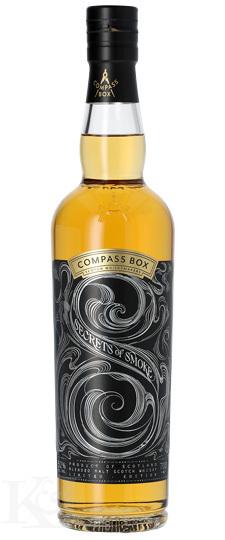
Founded by John Glaser in 2000, Compass Box helped make blending one of the most exciting parts of Scotch whisky again. The company built its reputation on creative cask selection, unusual recipes, and a willingness to disclose exactly what goes into the bottle. Secrets of Smoke is a perfect example. Lead whiskymaker James Saxon set out to explore the natural sweetness beneath peated malt, using wine and sherry casks to reveal another side of the smoke. The blend brings together Caol Ila in first-fill Palo Cortado sherry-seasoned butts (33.1%), The Peat Monster in second-fill Spanish red wine casks (33.9%), and Ardmore in first-fill sherry hogsheads (22%). Smaller parcels of Laphroaig finished in Marsala barriques (5.7%) and Bowmore from refill bourbon barrels (2.5%) complete the recipe alongside a small blended malt component. Bottled in September 2024 at 52% ABV, with natural color and no chill filtration, only 9,792 bottles were produced worldwide. The original suggested retail price was $140. At just $60, ours is over 50% off the original price and the best price anywehre around. An extraordinary price for one of Compass Box’s most intriguing limited releases.
Top Pick
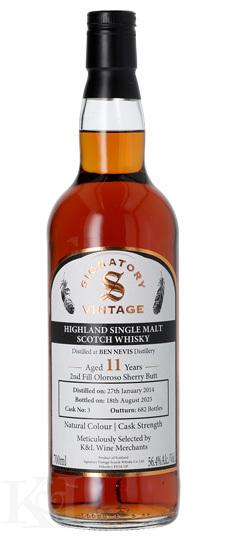
Year after year, Signatory brings us some of the best casks anywhere in the industry, and over the past two years they have recommitted to putting absolutely insane deals on the table for us. This year it’s a selection of classic Islays alongside this impeccable Ben Nevis. There was a period just a few years ago when similar casks were trading for twice this price, but here we have an absolutely perfect refill sherry butt, still very active, that simply transcends the market. There’s almost nothing anywhere in the world that’s better on the market today in this style, dollar for dollar. Here we go! This is ridiculously dark for a second fill sherry cask, a gorgeous mahogany (1.6). The nose is a huge mélange of waxy, earthy funk, pulverized rock, and sweet roasted nuts. It’s clearly holding so much at bay in its cask strength form, and air opens it into a basket of walnut brittle, loose leaf tobacco, dried cranberry, carnauba wax, old bike parts, semi dark chocolate, and dashi broth. Not at all for the faint of heart. We love an idiosyncratic Ben Nevis, but for the uninitiated we may need to take baby steps. On the palate it’s rich and oily, offering huge savory underbrush and salty nuts balanced by sweet raisin fruit and an underlying oily texture. It’s simply quintessentially, unapologetically original Ben Nevis. With water it softens and sweetens somewhat, though in this rare case I truly prefer it with air and time rather than the softening effect of water. The only complaint might come from those hoping for a Nevis in skimpier clothes, but the sherry is so well integrated and never overwhelms the density of the spirit that even the most staunch anti oak brigadier general might admit the superiority of this style. If you have only $80 to spend on malt this quarter and don’t need something peaty, this is the obvious slam dunk you’ve been looking for. I’m buying three.
Top Pick
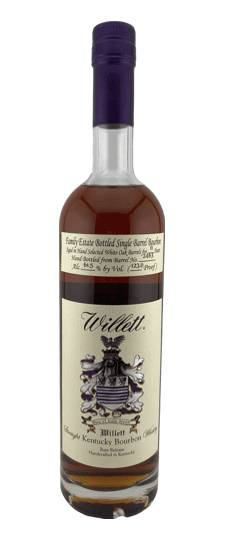
There was once a time when we could have nearly anything we wanted in the wonderful Willett warehouses. Back in the day, our friends the Kulsveens didn't have every liquor store in America breaking down their doors to get a barrel of their special bourbon. Until 2012, they had sourced every drop, yet something about those special ricks on the hill behind Bardstown seemed to uniformly create exceptional whisky. Honestly, they were extremely ahead of their time in almost every aspect of their business, but when the distillery opened, the doors to those rickhouses closed. Now we're extremely lucky to get our one barrel a year. It's funny because those stocks are actually controlled by the distributor, and so while we definitely feel like we should be getting the lion's share of the barrels for K&L - after all, we were some of the first to jump on the single barrel bus long ago - it's hard to fault them for only giving us one, considering they have to split their allocations between five states and thousands of stores. But, as I am wont to do, I must push every button when there's something I love and believe my customers will benefit from owning. So the choice to pick a 15-year-old barrel as our only Willett seems easy on paper - an incredibly delicious and rare barrel from the pre-distillation sourced stock - but it was actually incredibly difficult. That's mostly because of this special barrel. This is easily the best own distillate I've yet to taste, and while I'm sure there are many other, perhaps superior, barrels distilled since they opened in 2012, this one was so perfectly balanced and delicious that it absolutely sang to me. So while I ultimately picked the 15-year, I asked Ethan - the single barrel guru at Willett - to hide this sample for a few days while I worked my magic. I began to prod and pester our distributor for an additional barrel allocation, but their hands were tied. They'd already committed every barrel, and I was one of the few in California to get access to a 15-year, so my political capital seemed to be spent. Our final option was to get to the New York market, where our newly opened store had not qualified for an allocation because we were so new to the local distributor there. I begged and pleaded, but the rules in New York are extremely strict. You simply can't be allocated a barrel if there are other accounts that qualify ahead of you. So I simply left it up to fate and begged Ethan to continue guarding that sample. In an amazing stroke of luck, not a few weeks later, I got a call from our supplier in New York saying one of our competitors had backed out of their pick and the allocation had opened up. Without hesitation, I mentioned this incredible barrel, and the rest is history. K&L's first Willett barrel in New York and one of the greatest modern Willetts I've ever tasted. Sometimes the stars align and the gods of bourbon allow you to step through the gates. I'm very lucky to have people in every aspect of this business who care about what we do. They know how much I care for them. They are the bourbon angels who made this possible. I won't go into tasting notes or anything like that here today. I've already been effusive enough, but rest assured, no one who understands the potential greatness that modern Willett can deliver will open this bottle and be disappointed. The barrel is named for the song that came on as we drove up that special drive to the legendary spot, "This Must Be the Place" by Talking Heads. It's true of Willett and that special spot at 270 Madison Ave in the great state of New York. We have arrived.
Top Pick
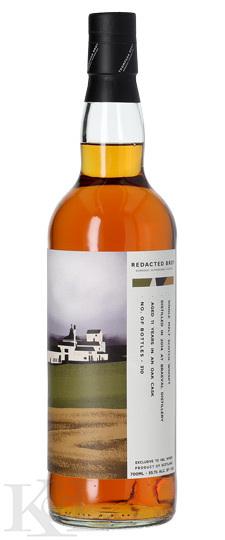
This gorgeous barrel of Braeval probably won’t strike a chord with the distillery’s devoted fans because, well, there really aren’t many Braeval fans. That’s not to say we haven’t sold plenty of excellent examples over the years, but the complete absence of official distillery bottlings and lingering confusion around the name, originally Braes of Glenlivet, have kept this excellent little malt off almost everyone’s radar. It doesn’t help that much of the spirit is destined for blending and often filled into less-than-inspiring cask stock, which may explain why only the oldest Braevals have historically achieved true greatness. But take this lovely Highland malt and place it in a fresh Oloroso hogshead, and you have a recipe for something wonderful. Here we go. The beautiful color tells us we’re firmly in sherry-bomb territory, a healthy auburn (1.4). The nose is explosive, with baking spices, roasted almonds, tinned stone fruit, and complex aromas of dark-roasted coffee. The palate is dense and chewy, offering surprising depth of roasted malt and zesty orange oil alongside rich, sweet dried fruit. It’s a classical, if not entirely unexpected, style. We might have assumed that enthusiasm for dense, dark, sherried malt would have faded decades after aficionados first embraced it, but drinkers both new and old still adore this profile. It may never have gone out of fashion, but it has certainly become far more expensive. For sherry lovers, this is the deal of the year. Hands down.
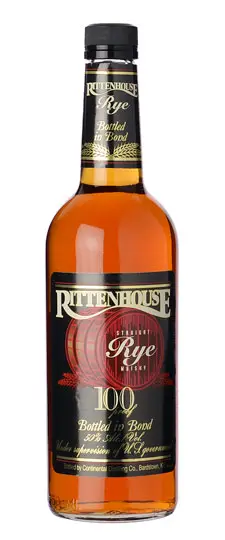
A versatile must-have for mixing cocktails, look for pleasing vanilla, maple and a hint of dried cherry. The finish is long and drying, with plenty of baking spice notes. (KN)

Eye-catchingly lurid red-orange, this classic liqueur has a mellow orange-y aroma. Though it's considered an aperitivo bitter, the vibrant flavor is more sweet-bitter than bittersweet, channeling orange and grapefruit peels. The viscosity, color and sweetness lends presence to Spritzes and other cocktails. (KN)
Top Pick
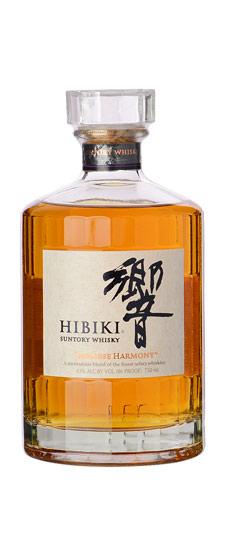
A soft and delicate nose offers vanilla ice cream, ripe banana, peach, and honey-sweetened breakfast cereal. The palate is gentle and smooth, but packed with flavors—more vanilla, peach, coconut flakes, lemon meringue, cherry tart, and blackberry jam—all balanced by peppery spice and fragrant oak. A long, nicely spiced finish offers balanced fruitiness, Creamsicle, and dark chocolate. Complex, balanced, deep, and well-spiced; an easy sipper. (DF, Fall-2024)
Top Pick
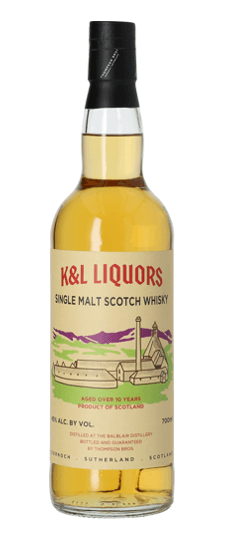
This incredible small batch from one of Scotland’s most beautiful northern distilleries is truly unprecedented. Occasionally we come across lots of whisky that are simply too good to be believed, and this is one of those rare moments. The project was originally developed by a prominent bottler directly with the owners and involved commissioning a large number of ex-Cognac barrel octaves, specially manufactured for this exact purpose. They selected an exceptional parcel of nicely aged Balblair, one of the North Highlands’ most underappreciated distilleries, and further matured it in these remarkable little casks. The old French oak had been seasoned with rich Cognac for so long that the harsh tannins and dryness French oak can sometimes impart were completely resolved, leaving only depth, polish, and luxurious complexity. After all that work, cost, and effort, the owner of the whisky simply walked away. We were not the originators of this fabulous idea, and had we been, we would likely have needed to charge more than double this price. Instead, we are in the lucky position of taking advantage of an incredibly rare lot of whisky that will never be recreated at this cost. Malt of this quality should be much more expensive, but we are not here to take profit simply because we can. We want every bottle of K&L Liquor’s branded spirits to overdeliver by a huge margin. We are confident this special bottle will outperform its price point many times over and become one of your most cov
Insider's Advantage
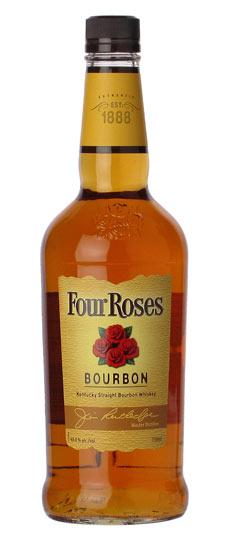
This mellow Bourbon is scented with vanilla and a hint of stone fruit. On the palate it's light and creamy, with nuanced notes of vanilla, almond and pecan, plus a gentle baking-spice finish. Sip or mix. *Best Buy* (KN)
Top Pick
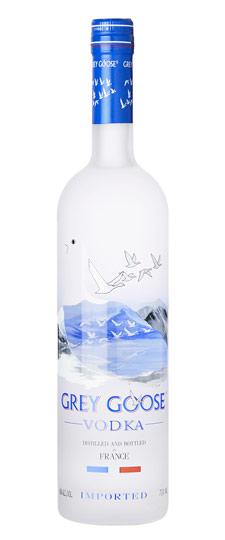
Crystal-clear and pure. Nose is unabashedly smoky in the first nosings; aeration smoothes it out as fetching aromas of mint, harvested grain and grain husk assert themselves. On palate, the entry is intensely grainy, silky and off-dry; the midpalate offers moderate bite plus chewy tastes of cracked wheat and cocoa bean. Aftertaste is dry, cleansing and medium-long.
Pre-Arrival
Top Pick
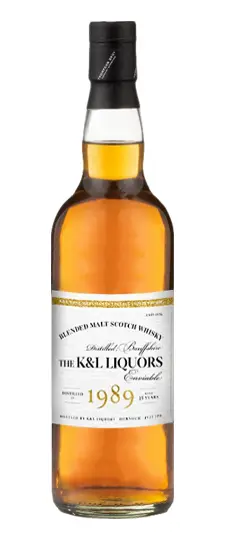
The wild success of the Sideburns 35 Year has rattled the cage of more than one large company in Scotland. If you haven’t seen my review of that product, I highly recommend taking a look: https://shop.klwines.com/products/details/1918829 . The short version is this: we may be on the precipice of a new golden age of Scotch, and K&L is perfectly positioned to take advantage of the market asymmetry. While our marketing of the previous batch was met with side eyes and raised eyebrows from the original owners of the stocks and trademarks, other suppliers with similar inventories saw it as a signal. This was an opportunity. It would seem our prayers have been answered. Another incredible value in old malt has landed in our lap, and this time the deal is even more impressive. There are, of course, differences in the stock. This distillate comes entirely from November 1989 and was matured in refill hogsheads, rather than the first-fill sherry hogsheads of Batch #1. The proof is slightly lower, but still a robust 47-48% for a whisky of such advanced age. Remember, Scotch typically loses up to 1% ABV per year and enters the cask around 63%. So yes, older, slightly lower in proof, and without the fashionable sherry influence, yet 25% cheaper. If you ask me, old malt like this absolutely thrives in refill hogsheads. While I often insist on first or second fill for younger whisky, at this age the nuance of second or third fill can be profoundly beneficial. In any case, if it’s not already clear, this malt is drawn almost entirely from one of Speyside’s most beloved distillers. Search “Burnside,” the Cadenhead/Springbank-owned blended malt, if you want clues to the source. We’re being intentionally careful about naming names, but suffice it to say this parcel comes from the cellars of one of the industry’s most powerful blending houses. Whether it was once destined as a top note for premium blends or simply forgotten stock, it now stands as perhaps the greatest value I’ve ever offered. Twice in six months. It really does feel like the start of something bigger.
Estimated Fulfillment: 10/31/2026
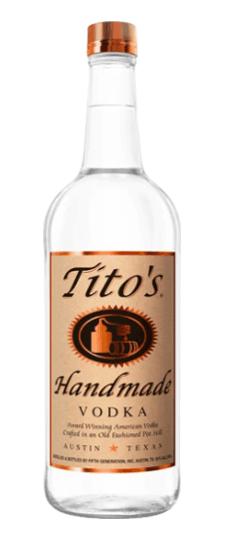
The initial nosing passes find subtle traces of charcoal and roasted grain which are followed by sweeter aromas of sweet grain mash and pipe tobacco. Entry is smoky and charred; the midpalate is oily, moderately viscous, semisweet and robust. Ends on a delicious oily, bacon-like note. A very well-made American pot still vodka. *Best Buy*
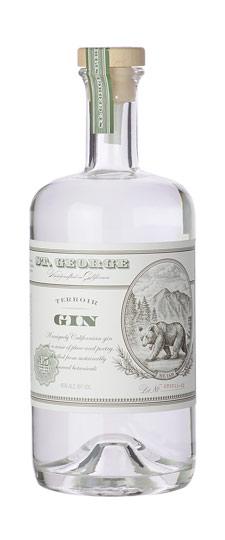
One of a trio of new gins from this artisan distiller, this gin's claim to fame is that it was inspired by a hike on Mt. Tam, and the distiller describes it as akin to 'drinking a martini in a pine forest.' Some will find the juniper essence too strong, although it also reads as clean and bracing, and it's laced with a peppery finish. Botanicals include Douglas fir, fennel, bay laurel and sage. A portion of the profits from the gin are donated to support California wilderness. (KN)
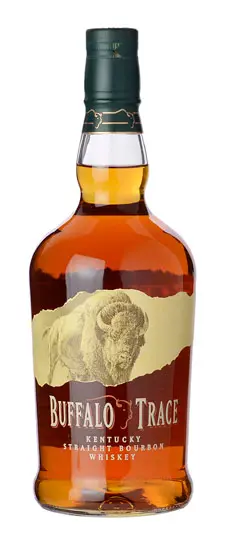
A good workhorse for all manner of cocktails, this bright amber Bourbon has a butterscotch aroma and oaky, relatively dry flavors that elongate into a rich caramel finish. *Best Buy* (KN)
Top Pick
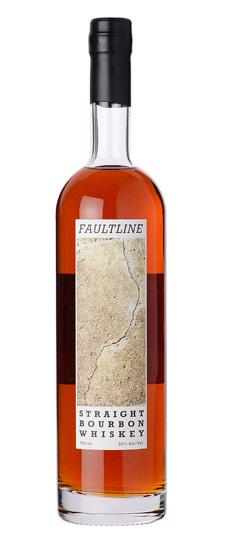
The secret history behind K&L Faultline Indiana Bourbon is one of my most prized memories as a buyer at K&L. Nearly two decades ago, when we first began to deploy a larger-scale strategy for K&L's spirits department, my colleague David Driscoll and I were determined to launch a store label. For years, K&L had sold wine under several private brands, but we had never done the same with spirits. We did not want to simply repackage other people's goods as our own. We would seek out the very best products we could find and bottle them under a label that exemplified our commitment to doing things better. We were drawing a line in the sand, making clear that nothing less would ever go into this special new label. If we couldn't get the quality and price we wanted from our suppliers, we'd create our own products that met the highest standards possible. And thus, Faultline was born. It was a seismic shift in how spirits retailers operated at the time. The name was a tip of the hat to the very real fault lines running beneath our California stores, connecting them in both geological and metaphysical terms. After the success of our first batches of Cognac, gin, single malt, and rum, we knew we had to put a bourbon together. It was not so easy to buy barrels in bulk in those days. While there are old stories of fine MGP rye stocks being offered at ridiculously low prices, the bourbons had already become dear. So when my friend John Little sent us a huge set of samples of great 10- and 7-year-old MGP for Smooth Ambler's single barrel program, I asked how many we could have. He said there were no real limits. After tasting through the set and liking several barrels, but loving none of them, I dumped my samples into a glass to see what would happen. A sort of magic spell was cast at that moment. The beauty of blending revealed itself to me right before my eyes, or more accurately, my nose. Together, the two whiskies simply sang, without any effort or real work. It was an epiphany. With a world of possibilities now open, we began tinkering and blending the lot, selecting certain 10- and 7-year-old barrels and carefully bringing them down to 100 proof. The resulting blend would become a staple on our shelves for the next half decade. But with the sale of Smooth Ambler to Pernod Ricard in 2017, our source dried up. That, in conjunction with the unprecedented bourbon explosion, tabled Faultline Bourbon for many years to come. Now, nearly 10 years later, the cycle begins again: amazing bourbon, available at incredible prices, blended to the flavor profile we have always loved. This rich and complex bourbon does what mature high-rye bourbon can do so well. It melds the sweetness of corn and oak sugars perfectly with the deep, satisfying spice of the barrel. The whole thing is tied up neatly with a bow of beautiful rye character, while the slow proofing we employ adds texture and depth throughout. You might argue about the nuances of this batch or that, but nothing can dethrone Faultline Bourbon as the king of K&L's bourbon shelves.
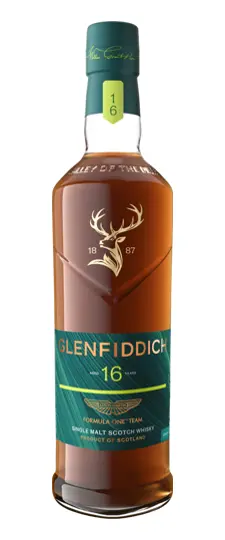
Few names carry more weight in Formula One design than Adrian Newey, the legendary engineer behind some of the most dominant cars in the sport’s history. For the second year of Glenfiddich’s partnership with the Aston Martin Formula One Team, Newey’s philosophy became the inspiration for a whisky engineered with equal attention to the details beneath the surface. Malt Master Brian Kinsman built this 16-year-old from five precisely chosen components: first-fill bourbon barrels, Port pipes, Oloroso sherry casks, red wine casks, and a final touch of Fino sherry butts. Much like the hidden aerodynamic elements of an F1 car, every cask serves a purpose, contributing sweetness, richness, structure, or lift to the final composition. The whisky moves from rich stewed fruit, flowers, marzipan, and polished leather into silky toffee, caramelized sugar, ripe orchard fruit, and finely controlled dry oak. Bottled at 43% ABV with a long, elegantly sweet finish, Release No. 2 combines Aston Martin glamour, Newey’s relentless pursuit of performance, and Glenfiddich’s extraordinary whisky reserves in one remarkably polished package. This is Formula One engineering translated into single malt.
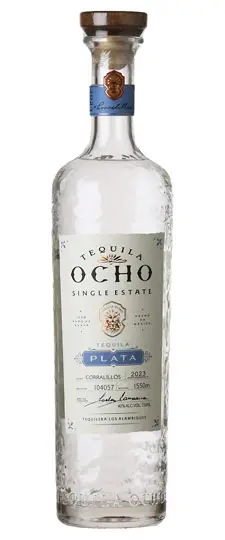
*96 points, Ultimate Spirits Challenge Top 100 of 2020* Ocho's tequilas were created by Carlos Camarena, a third-generation Tequilero, and Tequila Ambassador Tomas Estes. And each vintage (yes, these are vintage designated tequilas) comes from a single estate with its own mesoclimate, making them the most terroir-driven tequilas on the market. The NOM 1474 or Tequilera Los Alambiques actually represents a new facility on the outskirts of Arandas built by Senor Camerena the famous distiller of Tapatio and El Tesoro Tequilas. This collaboration seeks to distill the purest form of agave to highlight the distinct flavor differences between agave grown in different terroir. Carlos uses estate grown agave and traditional methods to slow ferment and distill his specially selected single estate agave. (Estate and vintage pictured do not represent current stocks. Current vintages and estates change regularly and will not be indicated in our system.)
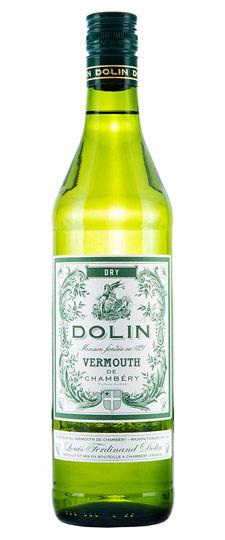
Made from the same set of recipes since 1821, Dolin Vermouth de Chambéry has long been the benchmark for fine French vermouth. It is made with fine wines of the region and botanicals found in the Alpine meadows above Chambéry, which impart a fresh and elegant nose with a subtle and complex palate. Ideal as an aperitif or in cocktails. In the late 19th century, Dolin Vermouth de Chambéry won medals in Paris, London, St. Louis and Philadelphia and in 1932 earned Chambéry France's only Appellation d'Origine for Vermouth.
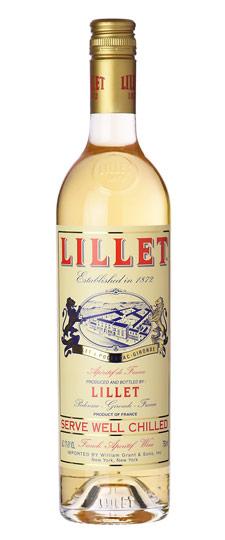
This pale gold aperitif displays mellow, juicy pear and peach nectar on nose and palate. Overall this is juicy, mouthwatering and easy-drinking, mixing fruity and earthy notes and finishing with an inviting floral lilt. Sip or mix. (KN)
Top Pick
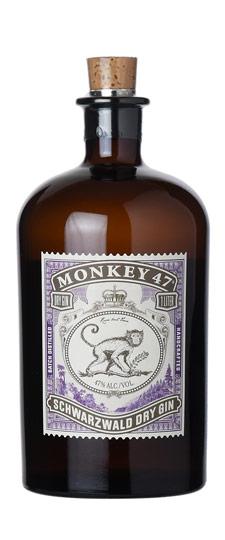
The first time I saw it we were in Scotland. I full on freaked out at a small spirits shop in Edinburgh when I noticed this quirky bottle of gin sitting on the shelf. For years, the Monkey 47 had been unobtanium, a regrettable situation for the knowledgeable and gin soaked. None of us had experienced this legendary gin yet, but thanks to the UK's lax wine shop regulations -the old "taste whatever you like" rule was in full effect. We were soon dunking our noses in a few splashes of its magnificence. I think tasting this after several other gins really put into perspective how special it really is. Created through the confluence of British aesthetics, Indian flavors, and the distinctly Teutonic natural treasure that is the Schwarzwald, The Monkey packs an enormous amount of complexity into that little bottle. It's the sort of gin that will save that cocktail you're about to ruin. You could have just as well served it straight because it sips beautifully even at room temperature. It’s quite a departure from your standard recipe gin, although some familiar elements are layered throughout. There is a strong yet soothing evergreen presence. A keynote if you will, but by no means the only focus. On the nose a dried floral aroma is accented by a twinge of spicy ginger. At the front, what seems like a citrus or chamomile quickly morphs into tea tree and sweet herbs, lemon verbena -now cucumber peel and pepper, it just keeps on going. No point in continuing to describe its flavor, its not working. It has a glorious tendency to be completely different with each sip, a true roller-coaster of flavors. Every single one of its 47 botanicals is tuned to the same perfect frequency. It's wild and utterly fabulous, but not in an awkward way. Instead, it seems to be all very deliberate, even stoic. I gladly forked over the £s the shop was asking, as did my colleagues. We nearly cried when we heard it would finally be arriving stateside.
Insider's Advantage
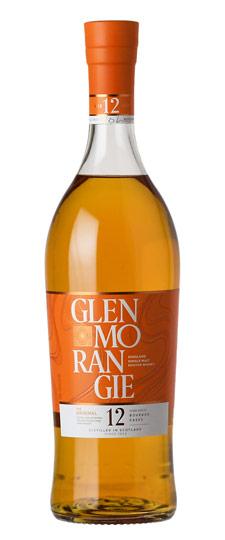
The new Original, changed from 10 to 12 years old, stands tall with fresh ripe orange and peach fruitiness on the nose, then honey, vanilla cream, wood spice, and exotic flora notes. The palate revolves around lemon, vanilla, apricot, peach, and orange, plus cinnamon and banana bread. The ripeness of the fruit and the creaminess stand out above the floral and vanilla elements of the old 10 year old. (JM, Fall-2024)
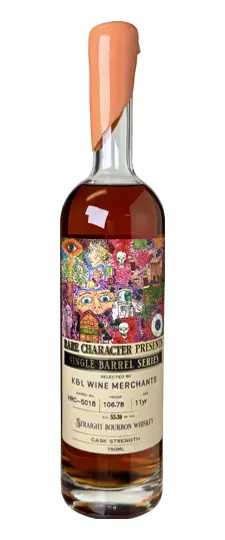
There's something so interesting about what Rare Character does with each of these special lots. The first thing is that the product is basically the same price whether it's 8 or 12 years old. The value comes from their incredible ability to source excellent small lots. The second is that every lot has some specific trait or attribute that distinguishes it from the last. We've done several Indiana bourbons with Rare Character, but not one has been similar to the next. Meanwhile, we still have brands coming to us trying to sell 9- and 10-year-old Indiana bourbon for $150+ a bottle. It's crazy! The distillery itself has seen the writing on the wall and released a 10-year-old, small-batch, high-proof product for under $100 this year. And of course Rare Character lets its customers choose the barrels, so any pick is only as good as the person selecting. Luckily, I've got the edge here. We tend to get first crack at any set of samples that hits the California market. It's rare that I find a sample in an RC set that I think is outright bad. Maybe it's never happened. But getting first crack at those samples definitely has its advantages, and this killer barrel is proof of that. On paper, what we've got here is an unusually high-quality barrel filled with nicely aged bourbon at a lower-than-standard entry proof. That lower entry proof is a super unique factor here. Combined with the heavy-char Canton barrel, it creates an extremely unusual set of characteristics that is simply not the norm in bourbon production, a category that can sometimes feel remarkably uniform. Let's have a go at it! The color is a shimmering chestnut (1.2). The nose bursts forth with beautiful aromas of honey, jasmine tea, honeysuckle, and dried apricots, punctuated by dense savory herbal aromatics of evergreen, mint, charred oak, baking spice, and dill. The palate is bold and spicy, with the barrel and rye spices duking it out up front: peppery, clove-y, and pointed. That tense front palate is juxtaposed perfectly against an almost tropical finish, moving quickly from hearty woody spice into overripe pineapple, sweet wildflower honey, candied peaches, and sweet vanilla bean. I can't tell if it's the barrel, the low entry proof, or just the dope lot, but this is one of the most enjoyable MGPs we've bottled in many years. It falls way outside the norm in the best possible way.
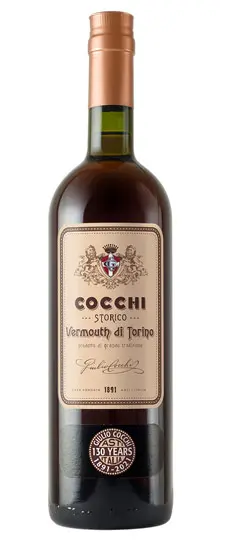
Cocchi makes my favorite red vermouth. I use it for Manhattan’s, in a Negroni, or in my favorite Champagne cocktail, the Negroni Sbagliato. If you are interested in seeing the recipe, search "Negroni Sbagliato" on the blog (blog.klwines.com) to find it, complete with video. If you don’t mind waiting, you can also send me an email with the button above, and I’ll send you the link.
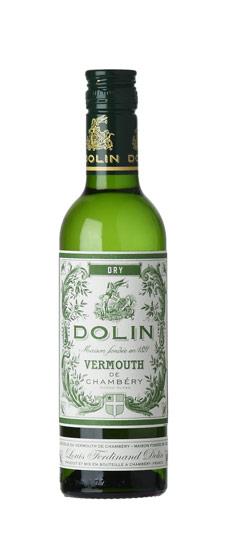
Made to the same set of recipes since 1821, Dolin Vermouth de Chambéry has long been the benchmark for fine French Vermouth. Made with fine wines of the region and botanicals found in the alpine meadows above Chambéry, together they impart a fresh and elegant nose, with a subtle and complex palate. Ideal as an aperitif or in cocktails. In the late 19th century, Dolin Vermouth de Chambéry won medals in Paris, London, St. Louis and Philadelphia and in 1932 earned Chambéry France's only Appellation d’ Origine for Vermouth.
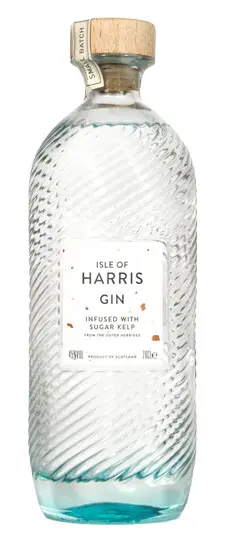
Never judge a book by its cover, they say, unless it’s gorgeously appointed and unrivaled in its beauty, I’d add. There is no question that in the booze business, your bottle is nearly as important as the stuff that goes in it. Indeed, it was the striking package that drew my eye to this product on the backbar of a Glasgow pub five years ago. I asked to see the bottle and realized that this was not some crass, overdesigned marketing exercise. This was a legitimate and thoughtfully crafted Scottish gin with a character unlike any other I’d tasted. One sniff out of that bottle and I knew I needed to have this stuff – EVERY DAY if possible, but for one massive hurdle. The tiny distillery on the far-flung island in the outer Hebrides was already struggling to keep up with local demand, and the incredible care in the design of the bottle meant that creating a bottle suitable for the US market, which only recently allowed the sale of spirits in 700ml bottles, was next to impossible. So, we waited. I staged a relentless campaign with emails and phone calls to the distillery to make clear our interest. And when this special product final popped up with a small distributor, I bought every single bottle they had on hand. I’ve called this the next great Scottish Gin, and I truly believe that. It offers a complex expression of flavors that are perfectly balanced and wildly appealing. The nose is an ever-evolving explosion of aromas beginning with an ocean breeze. This sensation of being near the sea is so distinct, one must experience it to understand. On second nosing, a flutter of citrus and a deep whole pepper note give way to a bright piney character before the sweet, earthy aromas of licorice, Orris, and cassia come online. The underlying sweetness balances the subtle salinity perfectly on the palate. Of course, no sugar added here, and perhaps it is psychosomatic, but the sugar kelp seems to give it a voluptuous richness that balances the savory perfectly. And while this is slightly lower proof than I usually like in a gin, the texture and balance seem to be perfectly suited for the gin's character. Altogether one of my favorite products to drink, hands down from any category. Plus, that bottle is so beautiful. Now one of the best values for artisanal hand crafted gin in the store as well!
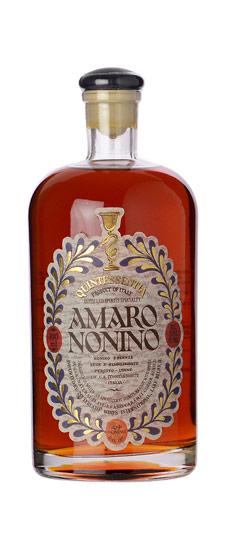
Tawny and bright in the glass, this mellow, bittersweet beauty offers caramel and vanilla, braced by allspice and bitter orange. Although Nonino is best known for its grappas, this amaro, flavored with herbs from the mountains of Friuli, is worth seeking out. Consider it for dessert pairings or an edgy spin on a negroni. (KN)
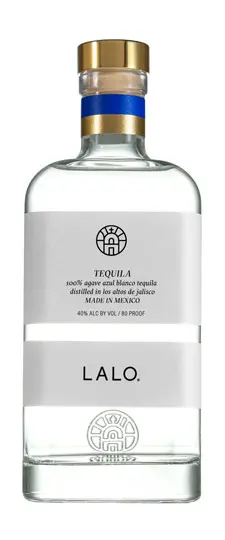
Look for bold tropical fruit on nose and palate. Each complex sip opens slightly sweet and finishes with citrus zing, mouthwatering salinity and a mineral hint of graphite. (KN)
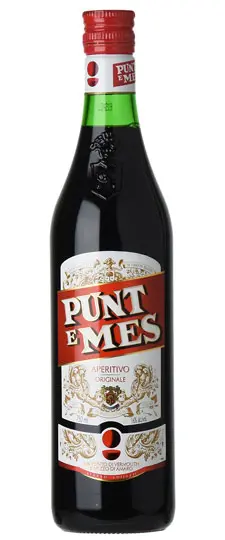
This aroma of this sweet vermouth suggests dark berries and savory spices. The first sip is sweet, rich and plummy, with flickers of juicy orange. The long finish is shored up with baking spice and dried thyme. Recommended for cocktails. (KN)
Top Pick
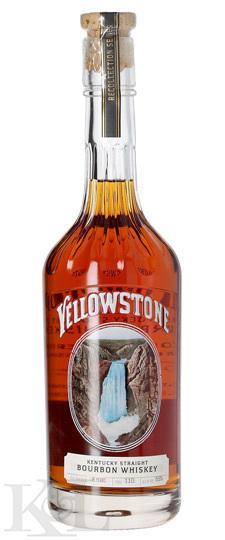
This exceptional release is exactly what I want to see when brands are resurrected from the dead. It’s not enough to just release a fun, authentic, old-looking bottle—although I’m ABSOLUTELY in love with the look and feel of this release. You need to put exceptional whisky in that bottle and charge a fair price. We’ve always loved the Yellowstone stuff and have supported them by doing single barrels and buying as many of the Limited Editions as they can put our way, but I’ve NEVER had a whisky from them that was this delicious. I don’t know exactly what they put in here, but they list a minimum age (always a good sign) and likely included some much older whiskey to round out the blend. We grabbed every bottle we could snag, and that was before I tasted it. Now that I’ve finally popped a bottle, I wish we could have gotten more. Let’s have at it. A classic auburn (1.4). The nose is absolutely stunningly sweet, with zero grainy character and piles of melted caramel butter, warm cherry compote, graham cracker, wild honey, sarsaparilla bark, candied apple, and roasted oak. The palate is sweet and spicy, extremely balanced, and gives the perfect little hug at 110 proof. It’s simply perfect going down. Big red fruit, cinnamon, clove, candied ginger, and burnt orange peel. It’s classic, but somehow feels like an extremely fresh and refreshing take. It’s simply a coup that we were able to grab enough of this to be talking about it here, because it really won’t last long once people start to taste it. Grab a few, as you’ll feel bad filling this beautiful bottle back up just to keep it on the back bar—and you’ll probably have trouble finding better juice for less, anyway.
Pre-Arrival
The fact that we are able to purchase and bottle single casks of named Talisker is something that many of the old guard find absolutely shocking. For years the distilleries extremely rare single cask offerings were bottled by Douglas Laing under the "Tactical" name. But some years ago a slight change in the contracual agreement that allowed our wonderful partners access to these incredible casks. We started getting access to these stocks almost 10 years ago, bringing in young feisty named Talisker's which
Estimated Fulfillment: 11/30/2026
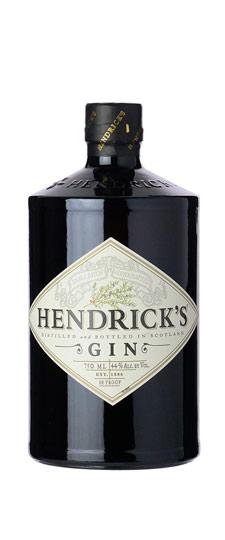
This gin has a fierce following, in part because of its quirky brand personality (see the Monty Python-esque website) and aggressive marketing among bartenders. But it lives up to the hype. Some might expect a more concentrated rosewater-cucumber profile, but it's relatively subtle, with just a hint of cucumber mingling with juniper in the aroma, and white pepper, citrus and floral notes on the lingering finish. *Top 100 Spirits 2022* (KN)
Wine Club
Top Pick
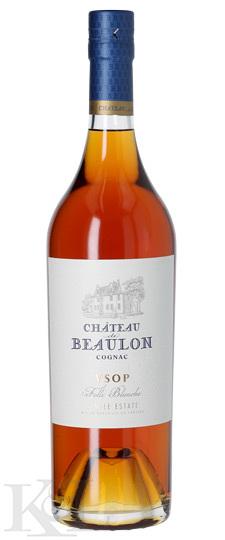
The Cognac category is in a strange place. Once the absolute top dog of the spirits business, today the major houses are playing defense. The big brands are hurting, and the sad truth is that their struggles also hurt the small estates that support those giant operations. But if you care about the little guy, K&L has always offered access to great independent producers who would otherwise remain off most people’s radar. While the romance of small producers is undeniable, the real reason we sell these Cognacs over those from the big houses is that the price-to-quality ratio is simply astounding. This famous estate near the Gironde is situated in a unique little section of the Fins Bois around the town of Mirambeau, an island of higher-quality soils carved out of the less-regarded Bons Bois. As we have noted many times over the years, soil quality has less to do with the potential to make delicious Cognac than with the likelihood of distilling exceptionally age-worthy eau-de-vie. For that reason, we have often preferred younger spirits from the Fins Bois and Bons Bois to similarly aged examples from the highly prized Grande and Petite Champagne crus. But this special estate does not merely possess exceptional soils. It seems to be doing everything right, yet almost no one stateside has heard of it. Its old-vine vineyards are among the most picturesque in all of Cognac, while the château and cellars are second to none. Nevertheless, here we are selling a seven-year-old VSOP, which would have qualified as XO before the regulations changed in 2018, distilled from old-vine Folle Blanche for just $65. It seems that few people are listening to the Cognacais, but if you open your mind to the extraordinary value these products provide, you may discover that Cognac is ready to become one of the world’s great spirits categories once again. Let’s taste this special treat. The color is a radiant auburn. The nose delivers an absurdly ripe bouquet that seems decades beyond its stated age. Perhaps the magicians at Beaulon are blending some significantly older stock into this beautiful Folle Blanche. Aromas of sweet caramel sauce, apricot jam, roasted oak, Seville orange peel, cubeb, ajwain, and saffron leap from the glass. The palate is exceptionally well balanced and rounded without becoming syrupy or excessively caramel-driven. Instead, a vivid burst of baking spice cuts through the opulence and dries the mid-palate. Medium-bodied and impressively persistent, though not interminable, it occupies a beautiful middle ground, offering some of the aromatic depth of very old, rare Cognac while retaining plenty of zesty verve on the palate. Perhaps it is the Folle Blanche that creates this thrilling dichotomy, but at this price, it is simply a steal.
New
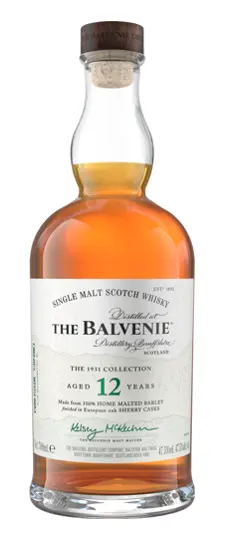
The Balvenie remains one of the very few Scotch distilleries still practicing traditional floor malting, and this limited 12-year-old release takes that increasingly rare craft to its logical extreme. While home-malted barley contributes to the wider Balvenie range, this bottling was produced entirely from barley malted by the distillery, sourced from the Mains of Balvenie and partner farms. The process is famously labor intensive, with the germinating barley turned by hand as many as four times a day, seven days a week. Malt Master Kelsey McKechnie matured the whisky in American oak before finishing it in a European oak ex-sherry butt from Jerez, bottling at a generous 47.5% ABV. The result is classic Balvenie with an unusually direct connection to the distillery's oldest traditions: honey, warm biscuit and creamy toffee lead into barley sugar, ginger, raisin and beautifully integrated sherry spice. Created as part of the 1931 Collection in collaboration with contemporary artist Daniel Arsham, it's an unusually compelling combination of serious old-school whisky production and modern presentation.
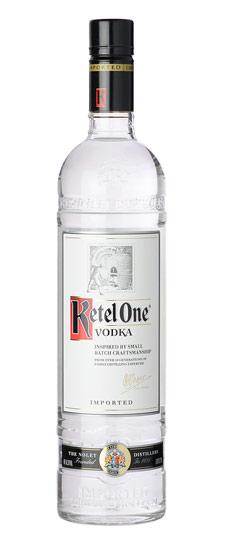
Best well chilled, this classic brand has a mild sweetness that hints at marshmallow and cocoa bean, plus flares of citrus peel, cassia bark and ginger on the clean finish. (KN)
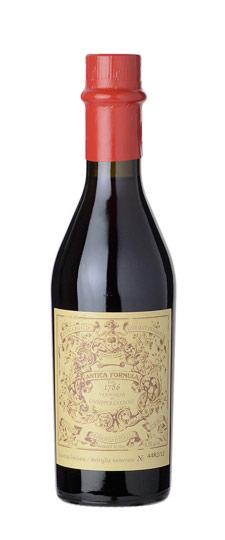
A sweeter, richer vermouth infused with vanilla, this is sumptuously textured and offers enticing notes of raisin, macerated orange, tea, carob and nutmeg. Finishes with balancing bitterness and fennel. (MM)
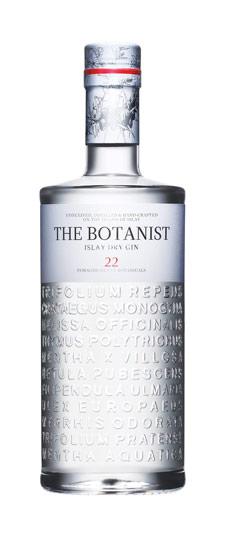
Although the “Botanist” name might suggest a floral gin, instead the flavor profile veers toward herbs and spices. There’s a subtle, herbal scent, with anise flavors up front, backed by coriander seed and cassia bark on the spicy finish. Made by Bruichladdich Distillery, which is renowned for its Scotch, on a pot still named Ugly Betty. Sold in an attractive, square-shouldered, gift-worthy bottle. (KN)
Insider's Advantage
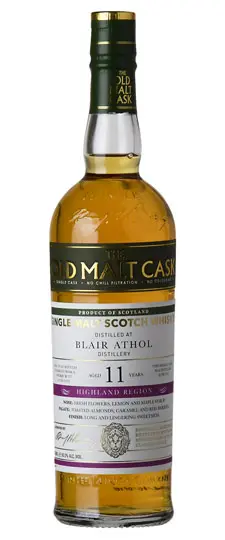
The vast majority of the liquid from this Highland distillery that dates back to 1798 ends up in the Bells line of blended scotch whisky, but among enthusiasts, it’s highly regarded when found in independent bottlings. This one in particular highlights the classic highland style, dominated by the toasted oaky spice from the four-and-a-half year secondary aging in toasted French barrique casks. Honey and orchard fruits emerge in plenty, with the creamy toasted oak connecting the dots between floral and butterscotch notes. It finishes with a touch of nuttiness that emerges through the oaky spice. This is a lovely, rich dram that defies its age.
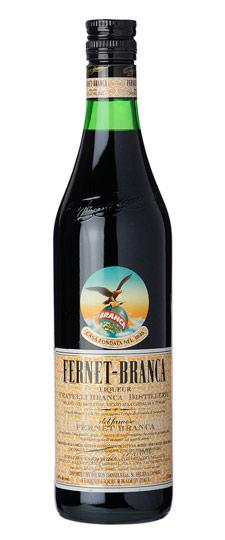
Although many amari boast a secret formula comprising a multitude of ingredients-Fernet-Branca ($30) contains a total of 27, giving it a licorice, menthol and raisin character - certain flavors are well-trodden. Among them are anise, angelica, marjoram, cinnamon, cinchona, gentian, rosemary, saffron, fennel and cardamom, as well as mint and orange. (JB)
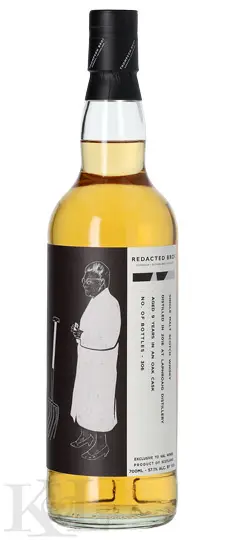
Founded in 1815 by Donald and Alexander Johnston on Islay’s rugged south coast, Laphroaig has long been one of Scotland’s most distinctive distilleries, famed for its medicinal peat smoke, iodine richness, and unmistakable maritime intensity. There was a period not long ago when independent bottlers across Scotland were sounding the alarm about the availability of Laphroaig. Widespread consensus held that named Laphroaig would no longer trade on the open market as it once had, and for a time many teaspooned or unnamed Islay malts took the place of clearly identified stock. The result was significantly higher prices for casks bearing the Laphroaig name due to their perceived scarcity, and the few we encountered were often too expensive to consider. Fast forward three years and the market remains largely devoid of named Laphroaig, save for a few scattered casks, usually with the requisite markup. So when our friends at Dornoch indicated they had access to well priced, decade old Laphroaig, we knew we had to act quickly. This young and punchy Laphroaig features the famed Bessie Williamson and a peat fork on the label, an ode to the old ways. The whisky in this barrel was distilled on June 6, 2016 and bottled in March 2026. Matured in refill bourbon barrels, it drinks like a single barrel version of the classic 10 year cask strength at a healthy discount. A classical style with plenty of iodine and smoke, balanced by a creamy purity that is undeniable.
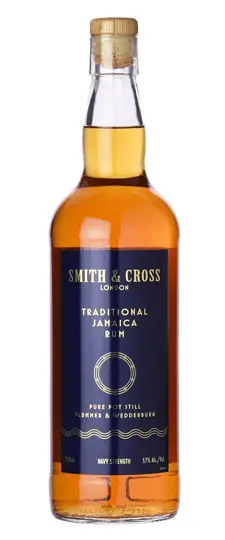
A top pick for tiki and tropical drinks, this practically begs for lime juice. Scented with warm honey notes, the palate shows lots of brown sugar and spice, plus an enticingly untamed, funky finish (the fabled 'hogo'). Since it’s 'Navy Strength,' you might not want to sip it straight up—the producer wisely recommends exploring the profile first in a daiquiri—though it’s smooth and interesting enough if you want to try. (KN)
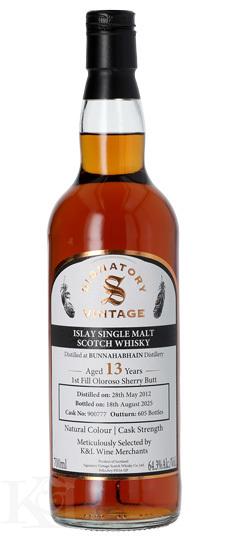
There are few things more pleasurable than the robust, oily, salty malt of Bunnahabhain paired with sultry oloroso-soaked European oak sherry casks for nearly a decade and a half. It's a style we rarely see in modern Scotch, harkening back to an older era that once seemed to define the far-flung distillery on the northeast coast of Islay. The simple fact that these casks once sold for much more does not negate their incredible quality. You'll still find previous releases of similar age from just a few years ago selling for legitimately twice our price. But that's ultimately beside the point, because these newer stocks are now coming of age and we are exploring their quality for the first time. I'm happy to report that the quality, at least of this particular butt, is simply stupendous. On we go. The color is a beautiful, robust burnt umber (1.7). The nose is universally appealing with huge notes of roasted sugar, sweet dried plums, poached pears, and sweetened whipped espresso, recalling the wafting aromas of Sant'Eustachio il Caffè in Rome's Centro Storico. Beneath all that dense sherry lies a sweet saltiness that reminds us the ocean is lapping at the foot of these warehouses. The palate is bold and rich with more herbs and sweet bark than the nose, but plenty of dense, ultra-mature rancio fruit as well. This whisky absolutely loves to swim, broadening and opening beautifully with water, adding both weight and complexity. I wish the distillery would offer more whisky like this; we'd have lots more interest in the brand. But alas, we're relegated to the occasional cask here or there showing this absurdly delicious character. I'll be praying each year that Signatory keeps the prices low on these very special stocks.
Join our list
Exclusive offers, new arrivals, and expert picks