

Search Results
- Melon de Bourgogne
18 Results
Insider's Advantage
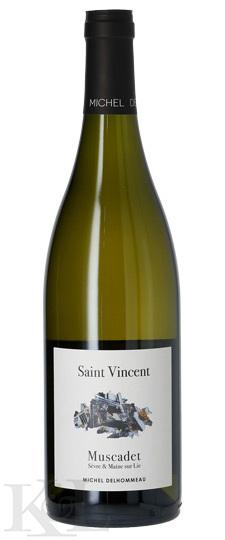
Muscadet Sèvre et Maine takes its name from the Sèvre Nantaise and Maine rivers near Nantes in the western Loire. Michel Delhommeau’s 2022 “Saint-Vincent” is made from Melon de Bourgogne, the appellation’s grape. The “Sur Lie” designation indicates aging on the lees—the yeast sediment left after fermentation—and connects this wine to a defining production tradition of Muscadet.
Our newest addition to our Rendez-Vous program is an absolute delight of a Muscadet. As with all Muscadet, this is made from 100% Melon, which, for those not that familiar with the grape, has a more apple-forward character and is often marked by notes of salinity and oyster shell minerality. There is an unmistakable maritime quality to the wines from this part of the Loire, where the river makes its final push toward the Atlantic. Think of Muscadet falling somewhere towards Chardonnay—though more along the lines of Chablis in style, as no oak is used here—with a slightly nervier acid structure. There is also a wonderful texture to good Muscadet that keeps it from feeling lean or overly austere. The 2024 expands even further on that traditional profile, adding touches of pineapple and dried papaya that give the wine an exotic quality without sacrificing its freshness. This is exactly the kind of white I love to have on hand at any given time. It makes for a great aperitif to kick off an evening. And of course, Muscadet and shellfish is one of the great classic pairings—oysters, mussels, clams or a big platter of simply prepared seafood would be mighty fine here. Highly drinkable, incredibly versatile and another terrific value for the Rendez-Vous program.
Insider's Advantage
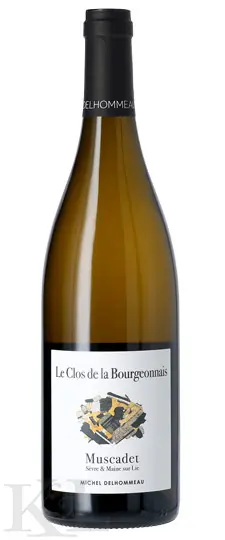
Muscadet Sèvre et Maine takes its name from the Sèvre Nantaise and Maine rivers, southeast of Nantes in the western Loire. Michel Delhommeau’s 2022 “Le Clos de la Bourgeonnais” is made from Melon de Bourgogne, the grape behind Muscadet. Its “Sur Lie” designation refers to maturation on the lees—the yeast sediment remaining after fermentation—a defining tradition of the appellation.
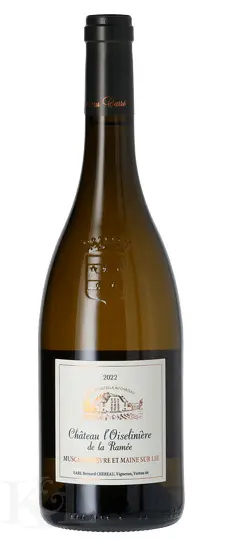
From vines planted between 1940 and 1980 on orthogneiss soils, L’Oiselinière is a superb expression of classic sur lie Muscadet. Aged for six months on the lees in large concrete vats, the wine is fermented with indigenous yeasts and sourced from entirely hand-harvested fruit—a rarity in the region. This is a serious wine for under $20, offering layered citrus and orchard fruit with a subtle saline edge and a vibrant, persistent finish. One of the strongest values on the shelf right now—and a perfect match for shellfish.
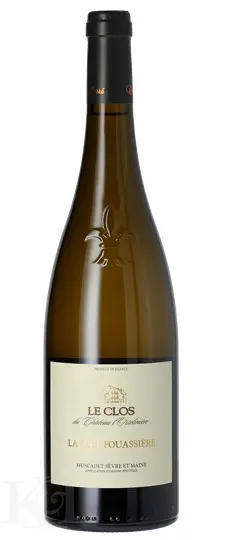
The Chéreau Carré family domaine spans a series of estates and vineyards planted across some of Muscadet's best sub-zones, with family roots in the area stretching back to the 11th century. It was Bernard Chéreau Sr.'s purchase of Château de Chasseloir in 1953 that marked the true beginning of the winery, and he proved to be a genuine pioneer - he was the first producer in the region to age Muscadet wines on their lees, a practice that was later codified into appellation rules in 1977. Through the 1960s, additional domaines and parcels were folded into the family's holdings as the operation grew. Today, Bernard Jr. and his daughter Louise - the second and third generations respectively - run the estate together and have been instrumental in shaping the more ambitious, terroir-driven styles now emerging from Muscadet. From vines over 80 years of age, planted on orthogneiss, all hand-harvested and then aged for 30 months on the lees after fermentation. This is compelling white wine that will continue to develop with several more years of age.
Muscadet Sèvre et Maine takes its name from two rivers that cross the vineyard country southeast of Nantes. Domaine Luneau-Papin’s 2023 “Le Verger” is made from Melon de Bourgogne, the historic white grape of the appellation and the variety behind Muscadet wines.
*Orange Wine*
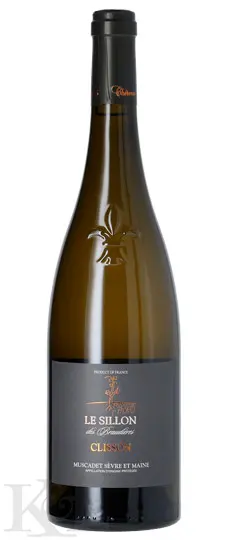
The Chéreau Carré family domaine spans a series of estates and vineyards planted across some of Muscadet's best sub-zones, with family roots in the area stretching back to the 11th century. It was Bernard Chéreau Sr.'s purchase of Château de Chasseloir in 1953 that marked the true beginning of the winery, and he proved to be a genuine pioneer - he was the first producer in the region to age Muscadet wines on their lees, a practice that was later codified into appellation rules in 1977. Through the 1960s, additional domaines and parcels were folded into the family's holdings as the operation grew. Today, Bernard Jr. and his daughter Louise - the second and third generations respectively - run the estate together and have been instrumental in shaping the more ambitious, terroir-driven styles now emerging from Muscadet.
Muscadet Sèvre et Maine takes its name from the Sèvre Nantaise and Maine rivers southeast of Nantes. Domaine Luneau-Papin’s 2008 “L d’Or,” made from the appellation’s signature Melon de Bourgogne grape, returns as a library release offering a mature perspective on this Loire wine.
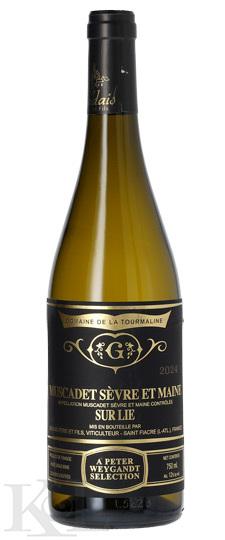
Muscadet Sèvre-et-Maine, the most renowned appellation of the Loire Valley’s Muscadet region, specializes in crisp, mineral-driven white wines made exclusively from the Melon de Bourgogne grape. Situated along the Sèvre Nantaise river, the region benefits from chalky, limestone-rich soils that impart a distinctive minerality to the wines, while the maritime climate ensures balanced acidity. Many Muscadet wines are aged "sur lie," allowing extended contact with the lees for added depth and a creamy texture that enhances their refreshing, citrusy character.
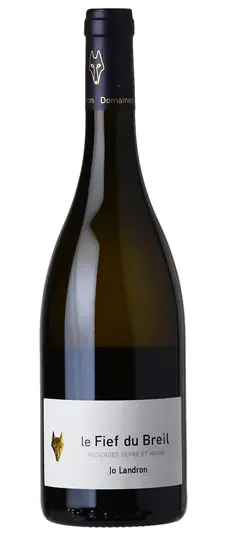
Jo Landron is a longtime advocate for organic and biodynamic viticulture in Muscadet. His 2020 Fief du Breil is made from Melon de Bourgogne under the Muscadet Sèvre et Maine appellation, an area centered southeast of Nantes near the meeting of the Sèvre and Maine rivers.
Insider's Advantage
Clisson is a recognized cru communal within Muscadet Sèvre et Maine, distinguished by its granite-based geology and stricter appellation framework. Domaine Michel Brégeon’s 2020 “La Molette” is made from Melon de Bourgogne, the defining white grape of the Nantais vineyards at the Loire’s western edge.
Muscadet Sèvre et Maine takes its name from the Sèvre Nantaise and Maine rivers near Nantes, at the Loire Valley’s Atlantic end. Domaine Luneau-Papin’s 2007 “L d’Or” is a library release made from Melon de Bourgogne, the appellation’s defining white grape.
Muscadet Sèvre et Maine takes its name from the Sèvre Nantaise and Maine rivers southeast of Nantes, where Melon de Bourgogne is the appellation’s defining grape. This 2006 library release of Domaine Luneau-Papin’s “L d’Or” offers a mature expression from one of the Loire’s historic winegrowing areas.
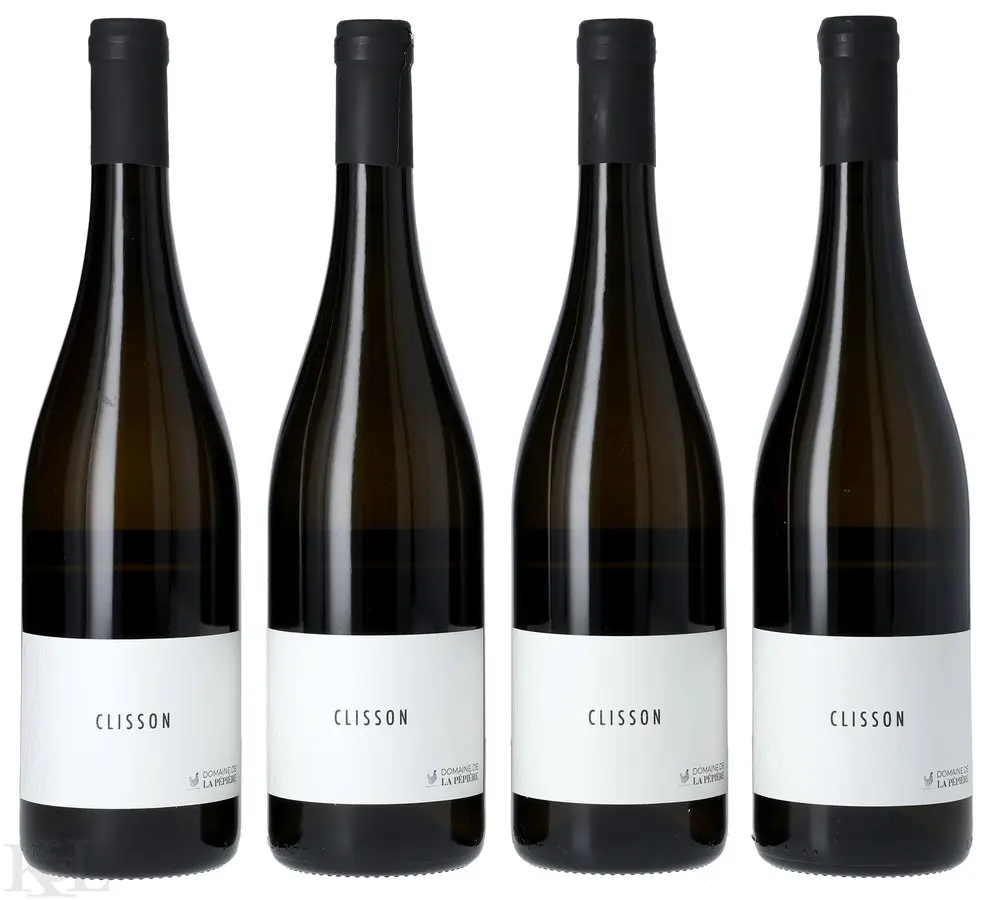
Bid on this 4-bottle lot of 2022 Domaine de la Pépière "Clisson" Muscadet Sèvre et Maine.
Current Bid
Ends 11/08/26 12:40PM PT
Muscadet Sèvre et Maine takes its name from the Sèvre Nantaise and Maine rivers southeast of Nantes. Domaine Luneau-Papin’s 2005 “L d’Or,” presented here as a library release, is a white wine made from Melon de Bourgogne, the appellation’s defining grape.
Muscadet Sèvre et Maine takes its name from two rivers flowing through the vineyards southeast of Nantes, near the Loire’s Atlantic end. Domaine Luneau-Papin’s 2009 “L d’Or” is made from Melon de Bourgogne, the grape historically identified with Muscadet, and arrives as a mature library release.
Join our list
Exclusive offers, new arrivals, and expert picks