

Search Results
- Greece
55 Results
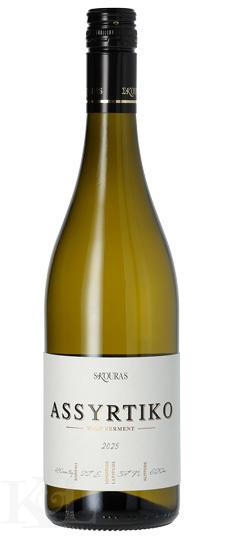
Demonstrating how mainland Assyrtiko often leans toward a fruitier profile than its island counterparts, the Domaine Skouras 2025 Assyrtiko Wild Ferment offers attractive aromas of orchard fruit and citrus framed by subtle mineral notes and chamomile. The grapes are harvested at moderate ripeness, around 13.5% potential alcohol, to preserve freshness. Whole-cluster pressed and fermented with indigenous yeasts, the wine spends four to six months on the lees, adding texture and mid-palate volume. The palate is defined by taut tension and a distinctly rocky mineral character that recalls crushed quartz rather than the pumice-driven profile often associated with Santorini. Fresh and focused, this wine highlights a different but compelling expression of Assyrtiko. (ML)
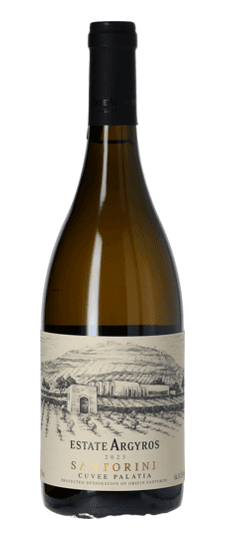
The Estate Argyros 2023 Santorini Assyrtiko Cuvee Palatia is conceived as a grand mosaic of old-vine Assyrtiko sourced from seven historic vineyard sites across the island: Louros, Kavalieros, Ftelos, Vasalia, Agios Ioannis, Kastana and Kamarádes. Aromas of lemon custard, allspice, fresh strawberry cream, tobacco leaf and crushed stone unfold with remarkable elegance and detail. The palate combines concentration with freshness, showing the mineral backbone and precision that define the variety while maintaining an effortless sense of balance. Produced in 28,000 bottles from ungrafted vines aged 120 to 180 years, the wine comes from exceptionally low-yielding, dry-farmed vineyards trained in the traditional kouloura basket system. The 2023 growing season was shaped by persistent Meltemi winds—the fierce, dry northerly winds that sweep across the Aegean—which helped preserve freshness and acidity despite the warm summer conditions. Aged for nine months on the fine lees in stainless steel, Cuvee Palatia captures both the concentration of the vintage and the extraordinary complexity of Santorini's ancient vineyard heritage. This is another standout wine of the tasting. (ML)
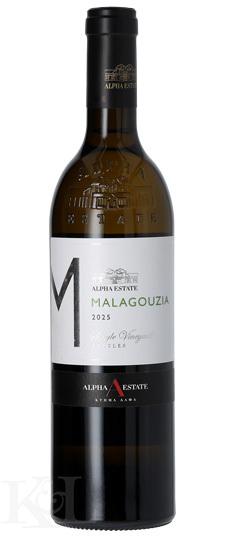
Rich, ripe style with peaches and cream on the nose. A complex palate with notes of rocket, bay leaf and grapefruit. (2026 DWWA)
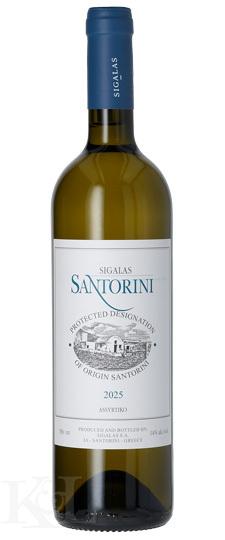
The Domaine Sigalas 2025 Santorini Assyrtiko offers a youthful and approachable expression of the variety with aromas of chamomile, confit lemon, quince and Mediterranean herbs, including sage. Compared to the estate's more ambitious bottlings, this wine is simpler and more immediate, emphasizing texture and drinkability over mineral complexity. The palate is rich, slightly oily and pleasantly textured, with enough acidity to maintain sharpness. Produced in 45,000 bottles from vines more than 60 years old rooted in the volcanic soils of Oia, where pumice, lava and pyroclastic materials shape the vineyard landscape, the wine ages on its lees for at least four months. First released in 1991, this is one of the earliest 100% Assyrtiko wines from Santorini, and it remains an important benchmark. (ML)
A deep red with wild blackberries, pencil shavings and graphite on the nose. It’s full-bodied with a dense, rich palate, but the tannins flow across the palate and give a real sense of energy to the wine. Intense finish that goes on and on. Extremely driven and exciting. Best ever. This needs three or four year to come completely together.
Wine Club
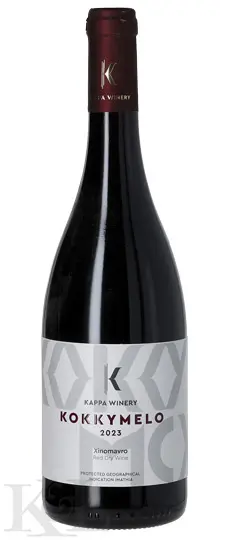
Naoussa is one of Greece’s historic appellations for Xinomavro, a red grape closely associated with the vineyards of northern Macedonia. Kappa Winery’s 2023 “Kokkymelo” places the variety within this established regional tradition, offering a clear introduction to the grape through its best-known viticultural home.
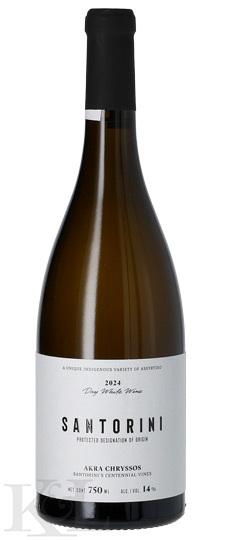
I had the great fortune to visit Santorini last year, and one of my favorite stops was with Spyros Chryssos. Spyros comes from one of the island's great grower families, supplying fruit for years to top producers including Hatzidakis. Only in the last few years has he begun vinifying his own grapes, and it's a revelation. I tasted a lineup that included one of his first vintages, 2018, and was blown away by how much the wine had gained in bottle — but all of his new releases showed real proof of concept. Spyros is someone to watch, and this is a producer worth seeking out. His regular Santorini bottling comes only from his privately owned vineyards — many producers on the island rely on long-term contracts with other growers — and everything is farmed organically, with no chemical inputs. Handled entirely in stainless steel and aged on fine lees, this is a wine of real tension and nuance: citrus rind, roasted apple, crushed rock. It's everything I want from a Santorini white. Given its ageability, this is a keeper — stunning now, and it should be a true showstopper in just a few more years.
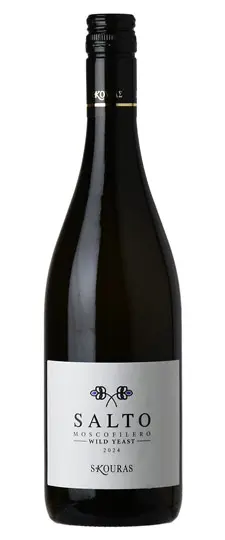
The Domaine Skouras 2024 Moscofilero Salto Wild Yeast is made from a special clone of the grape that delivers higher acidity, greater minerality and less overt floral character. Fermented with indigenous yeasts and released later than the estate's classic Mantinia bottling, this wine is clearly aimed at the table rather than the aperitif hour. Aromas of citrus and crushed stone take center stage, with the floral elements dialed back in favor of a more restrained profile. The palate shows impressive tension and complexity, driven by vibrant acidity. A faint hint of hydrocarbons adds further intrigue. (ML)
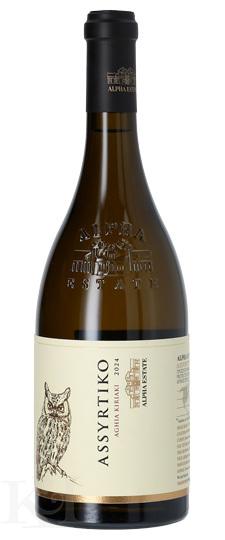
The single-vineyard Alpha Estate 2024 Assyrtiko Ecosystem Aghia Kiriaki shows aromas of candied pear, lemon custard and honeydew melon alongside a distinct mineral character marked by chalk and crushed stone. There is impressive tension and firmness on the palate, carried through a long and polished finish. The wine comes from the Aghia Kiriaki vineyard in Amyndeon at 535 meters above sea level with alluvial sandy and sandy clay soils. Fermented in stainless steel after 16 hours of skin contact and aged on the lees for eight months, the wine gains texture and complexity without sacrificing the grape's vibrant acidity. Produced in 18,000 bottles, this is a focused and well-executed expression of Assyrtiko from northern Greece. (ML)
"Familia" draws from a selection of the estate's own family-owned parcels, some of the oldest and most prized sites they farm, planted in the classic kouloura basket-trained vines that protect the fruit from Santorini's relentless wind and sun. The result is a wine of extraordinary precision showing white peach, preserved lemon, crushed oyster shell, a whisper of fennel. This is all wrapped around that signature volcanic minerality that just seems to keep going on the finish. This is a serious, cellar-worthy Assyrtiko, and one of the most complete expressions of the grape I've tasted this year. Drink it now alongside grilled octopus or a rich seafood risotto, or tuck a bottle away — it has the structure to reward five, even ten years in the cellar.
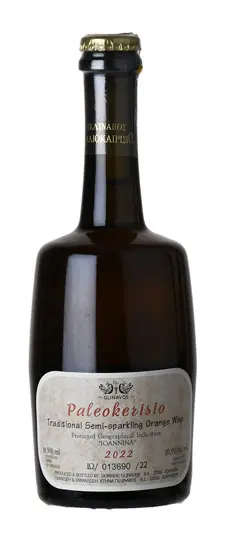
Founded in 1978, Domaine Glinavos is based in Zitsa, a historic winegrowing area of mountainous Epirus in northwestern Greece. Its 2022 Paleokerisio revives a traditional local wine style as a semi-sparkling orange wine, presented in a distinctive 500ml bottle.
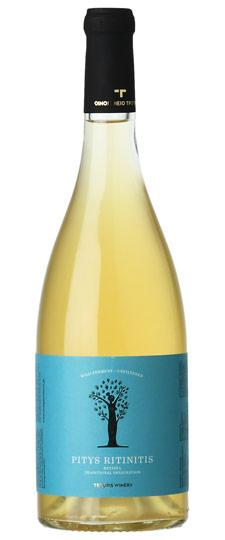
This wine is delicious, interesting and different. The nose is very expressive and pronounced. It jumps out of the glass offering pleasure with savory undertones. In the mouth it is dry and savory, unique and tasty. It will go well with chicken and seafood.
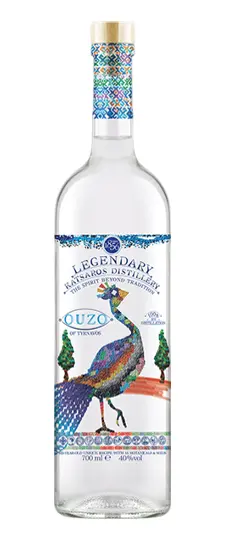
Founded in 1856, Katsaros Distillery is the oldest ouzo producer in Greece, and their “Legendary” Ouzo is a definitive expression of that legacy. Crafted in small batches using a 1000-liter copper still, this ouzo is distilled with a blend of fourteen herbs and spices including anise, fennel seed, star anise, coriander, nutmeg, and cinnamon, all sourced to express the unique flora of the Mediterranean. The distillate is sweetened, filtered, and rested for two weeks before bottling to allow the flavors to harmonize. The result is a crystal-clear spirit that turns beautifully opalescent with water, offering rich aromatics of fresh anise, warm spice, and herbal complexity. The palate is full and clean, balancing sweetness with savory botanicals and finishing with lasting finesse. Best enjoyed chilled, with a splash of cold water or over ice, and paired with traditional Greek meze like grilled octopus, olives, or fried whitebait. A benchmark ouzo from a family-run distillery that has remained committed to excellence for over 160 years.
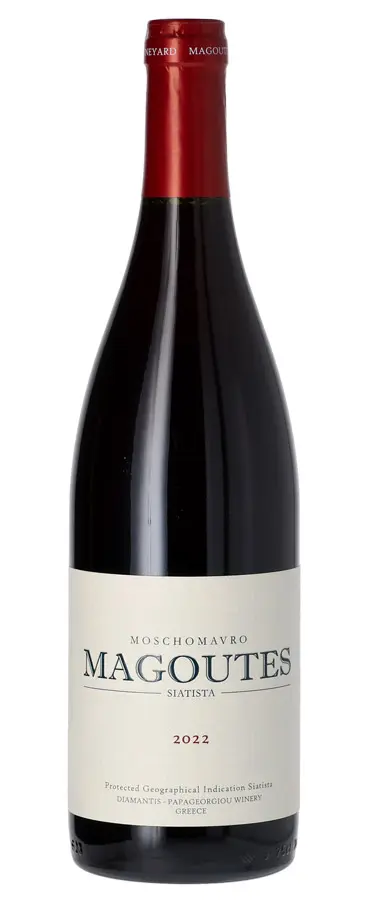
According to the importer: "In this wind-swept and arid locale, anchored on an impressively rocky limestone terroir, Magoutes Vineyard’s own specific story goes back to the beginning of 20th century when Dimitrios Diamantis’ grandfather, one of Siatista‘s leading grape growers, hand-grafted the now centennial vineyard of the domaine on the family land with the region’s foundational vines of Xinomavro, and the rare local red-skinned varieties that pre-existed mainly in Siatista, Moschomavro and Nigrikiotiko. Yet as time passed and grape growing became less profitable, most of the region’s vineyards faded into obscurity until by the 1970s, only a few old ones survived. In the early 90s the winery focused on protecting and reviving the varieties and managed to save enough genetic material to re-plant 18 hectares on the limestone/clay slopes of the "Magoutes" area (750 - 890 meters altitude)." The Moschomavro itself is a unique, bright red wine with fresh red fruit flavors and herbal undertones. It is an excellent pairing with lighter roasted meats and cheeses.
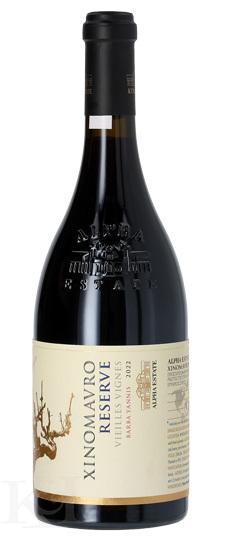
This is a fleshed-out and sophisticated red wine made in an international style, with ripe fruit and sweet spice shaped by French oak. Notes of vanilla, toasted spice, plum and blackberry emerge with impressive intensity, while the oak adds sweetness and breadth, fully justifying the Reserve designation. The Alpha Estate 2022 Amyndeon Xinomavro Ecosystem Reserve Vielles Vignes Barba Yannis comes from the single-block Barba Yannis vineyard on the Amyndeon plateau, where ungrafted bush-trained vines planted in 1919 are now more than a century old. Produced in 12,300 bottles, the wine undergoes extended lees aging and 24 months in new Allier and Jupilles French oak before an additional year in bottle. Cool, high-altitude conditions help preserve brightness and balance. (ML)
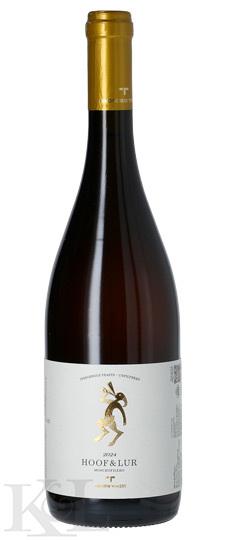
Made in a dry Vin Gris style this native yeast fermented Moschofilero has an undercurrent of pink color from light skin contact. It is still its beautifully aromatic and exotic self. One of the best of its kind! Bottled unfined and unfiltered. Tasting notes from the producer: "Floral with powdered sugar and blood orange that entice on the nose. Citrus notes and fresh acidity add vibrancy to the palate."
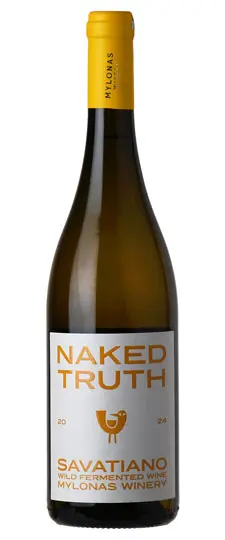
I visited Moinoterra and met Nikos Stathoglou, whose story is one of the more remarkable ones I've come across in Greek wine. Nikos founded the winery in 2022 at the age of 52, with no meaningful background in the industry — a second career built entirely from passion and conviction. It's the kind of leap that makes you root for a producer before you've even tasted the wine. Fortunately, the wine backs it up. Moscato Spinas is a genuine rarity — this indigenous Cretan variant of Muscat is planted almost nowhere else. Don't mistake this for the sweet Moscatos you may be picturing: it's bone dry, aromatic, and intensely floral, with notes of orange blossom, ripe apricot, and a touch of candied ginger, finishing crisp and long. A fantastic conversation-starter bottle, and a beautiful match for spiced dishes or anything with a bit of citrus zest.
The Troupis family winery is based in Mantinia, in the central Peloponnese, a region with a long viticultural tradition. Its 2024 Fteri is made from Agiorgitiko, an indigenous Greek red grape most closely associated with Nemea and widely cultivated across the Peloponnese.
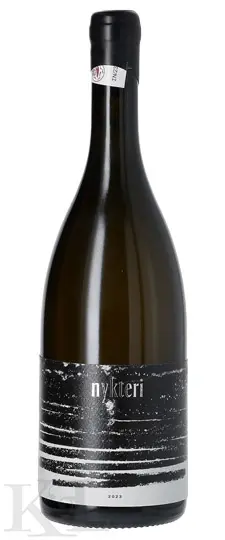
Santorini produces a style of white called Nykteri, and its rules are looser than people assume — a minimum alcohol level and a later harvest, which nearly all Santorini wines meet anyway. The one rule with real teeth is a minimum three months in barrel. Traditionally that's led producers to over-age their Nykteris into nutty, oxidative territory. Akra Chryssos goes the other way. This is as vibrant and lush as the category gets — sourced entirely from 100+ year old vines on one of the island's top sites, it delivers a real symphony: passion fruit, pineapple, dried pear, crème brûlée, lime leaf. Santorini's signature minerality carries the finish and melts seamlessly into toasty oak. It may not show the typicity people expect from Assyrtiko, but this is next-level work — and worth holding a few more years before drinking with real pleasure.
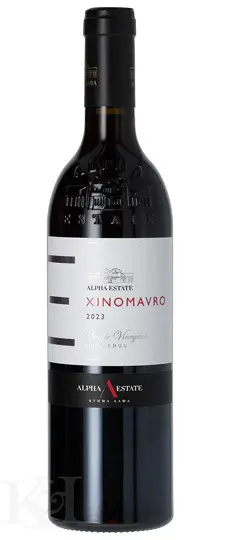
Aromas of oregano, sundried tomato, herbs and summer fruits capture the essence of the variety. Mouth-filling and crunchy with fine tannins and a lingering savoury finish. (2026 DWWA)
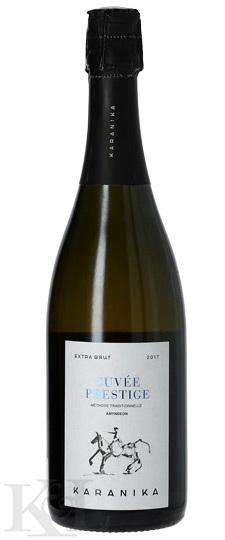
Amyndeon is Greece’s coolest wine region, and this traditional method sparkler comes from old vines farmed biodynamically. Dried apple, mille-feuille, wild herbs, beeswax and creamy autolytic layers complement lemon curd. Mouthwatering acidity and intense crushed stone minerality. Assyrtiko (70%) married with Xinomavro (30%) is a wild card for sure - a sort of mineral strudel. (KK)
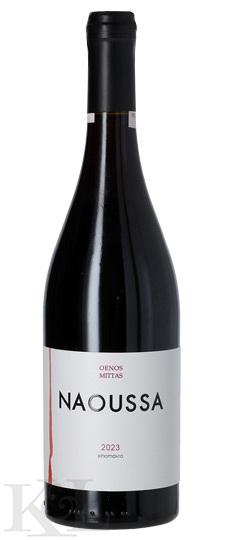
I've visited Oenos Mittas a couple of times over the years. Naoussa is famous above all for its limestone soils, but this particular parcel is actually planted on schist — a distinction that sets it apart from much of its neighboring vineyard land, and one that shows in the wine's precision and lift. It's also hard not to love the origin story here: Yianni (Johnny) Mittas converted his family's old bicycle shop into a makeshift winery to get this project off the ground, a scrappy, hands-on beginning for what's become one of the region's most exciting young labels. The wine itself shows the grape in a youthful, vibrant state — bright red fruit, dried oregano, and that telltale savory, almost balsamic edge that makes Xinomavro so distinctive. The tannins are firm but not aggressive, and there's real energy running through the wine from start to finish, likely no small thanks to that schist soil underneath. A great entry point if you're new to Naoussa Xinomavro, and an excellent pairing for grilled sausages, moussaka, or anything with a good char on it.
This one is a bit of an oddity, and that's exactly why it's worth including. Tatsis, one of Macedonia's most respected natural winemakers, takes Xinomavro — the great red grape of the north — and vinifies it as a white, pressing the grapes off their skins immediately to avoid any color extraction. The result is a fascinating, slightly savory white with red berry undertones, wild herbs, and a chalky, textured finish that hints at its red-grape origins without ever tasting like a red. Made with native yeasts and minimal sulfur, it's a wine for the curious drinker — try it with charcuterie, mushroom dishes, or anything with a bit of umami depth.
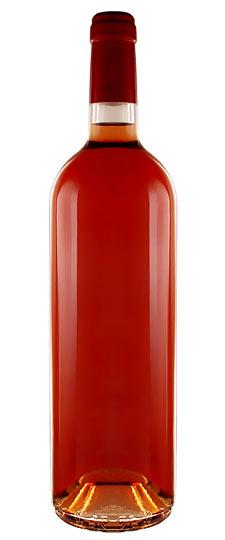
Moschofilero is a pink-skinned Greek grape closely associated with Mantinia in the central Peloponnese. Troupis presents it here as a 2024 rosé, using skin contact to draw on the grape’s natural pigmentation—an approach that highlights the direct relationship between grape skins and wine color.
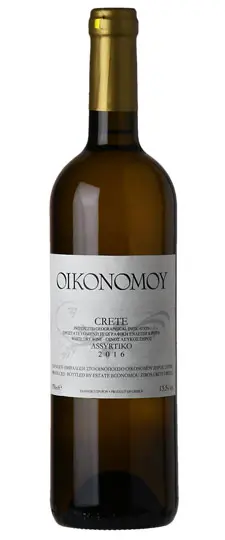
The 2016 Assyrtiko, aged semi-oxidatively like the Odyssey, carries real tension — underlying acidity and minerality that unfurl as it opens. Lime peel, toasted almonds, and pineapple rind emerge with air. This is not a wine to rush.
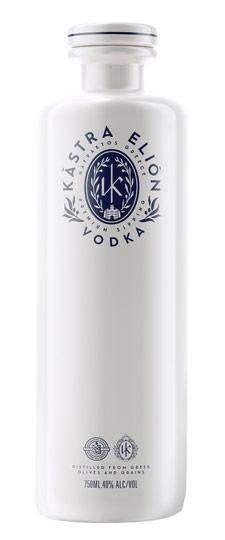
The new Kastra Elion is as delicious as it is unusual. This ultra high quality vodka is anything, but boring. The process begins with hand picked olives from the Nafpaktos region of Greece. These ripe ultra high quality olives are combined with high quality grains and natural mineral rich water from Mount Taygetos. Left to ferment and subsequently distilled and bottled with no additives or adulterants of any kind, it's a full bodied and rich experience that's made from olives, but by no means is FLAVORED with olives. It nonetheless has the complex rich aroma of subtle earthy green olives, citrus oils and buttery grain. Textural and rich, the mouthfeel is where the rich oiliness of the olives is truly on display. This family owned artisinal operation is named for the ancient castle that overlooks the family's olive groves and is the inspiration for this bold and unusual addition to this somewhat predictable category. Packaged in a gorgeous porcelaine vessel, the premium natural of the spirit is obvious inside and out. A truly unique and welcome addition to the category.
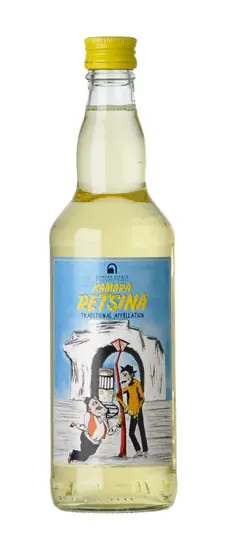
Dimitrios Kioutsoukis hails from the region of Thessaliniki in Northern Greece. Experimenting with local grapes like Limnio and Xinmavro, he also has planted famed Greek varieties like Roditis, Malagousia, Assyrtiko and Moschofilero. Working with all native yeasts, all wines are unfined and unfiltered and have zero sulfites added at bottling. The Retsina is a blend of 50% Roditis and 50% Assyrtiko. All vinification is done in stainless steel tank and small pieces of Aleppo pine resin are added to the must during the fermentation. The results are a mildly pine driven style of Retsina that is accented by notes of ginger and dried pear. *Natural Wine*
The Moinoterra 2024 Vilana is a compelling expression of Crete's most widely planted white grape. Aromas of lemon, pear, orange blossom and jasmine are framed by subtle notes of vanilla wafer from partial oak fermentation. The wine gains momentum on the palate, where concentrated citrus flavors, coastal herbs and a salty, sea-spray minerality give it more character than the nose initially suggests. Vilana is not generally associated with long aging, but the eight months on the lees and modest oak influence add enough structure to suggest a slightly longer drinking window. Sourced from 32-year-old vines planted near the archaeological site of Vathypetro at 450 meters in elevation, this is a fresh and distinctive white. (ML)
*Natural Wine* *Orange Wine*
Iliana Malihin is a name worth remembering — a young, meticulous producer working in Rethymno who's quickly building a reputation for precision and restraint. Though these are young vines, there is nothing that is not great about this version of Vidiano. Succulent mineral notes with an oily but lifted texture. Vidiano is highest on my list of grapes to watch. Sourced from parcels on Crete's rocky, mineral-rich soils, this bottling shows exactly why the grape is drawing so much attention right now — a wine that walks the line between richness and freshness with real precision. Pour it with grilled octopus, a simple plate of fried cheese, or anything off the grill with a squeeze of lemon.
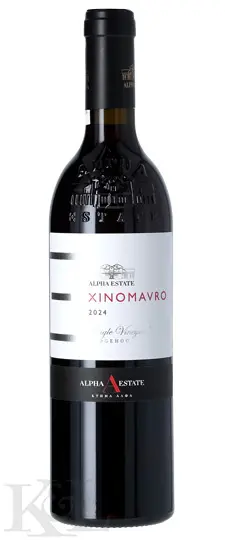
Founded in 1997, Alpha Estate is based in Amyndeon in northwestern Greece, where high-elevation vineyards and nearby lakes shape the winegrowing landscape. The estate’s 2024 “Hedgehog Vineyard” is a Xinomavro, an indigenous Greek red variety closely associated with the vineyards of northern Greece.

Otto’s brings a Greek identity to vermouth, the historic category of fortified, aromatized wine traditionally built around wormwood and other botanicals. Produced in Greece and named for Athens, this 750ml bottling offers a distinctive regional entry into a classic European aperitif tradition.
Magoutes Vineyard is based in Siatista, a historic wine-growing town in Western Macedonia, northern Greece. This 2020 red is made from Xinomavro, an indigenous Greek grape whose name translates as “acid black,” reflecting the Greek words xino and mavro.
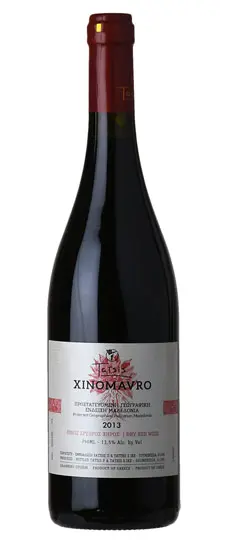
The Tatsis brothers are old-school bikers. Their yard is filled with reclaimed metal crafted into wild sculptures. They rebuild most of their own equipment and do it all with organic and biodynamic principals. They also do it while holding their wines back until they feel they are ready to drink. The 2013 is the current release, and it is absolutely lovely. Dried cherry, thyme, rosemary, leather, and orange peel make for an engaging and compelling red.
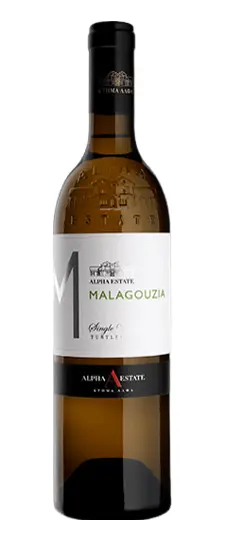
Founded in 1997 by viticulturist Makis Mavridis and winemaker Angelos Iatridis, Alpha Estate is based in Amyndeon, within the Florina regional unit of northwestern Greece. This 2023 Ecosystem bottling highlights Malagouzia, an indigenous Greek white grape that was revived from near obscurity during the late 20th century.
Skin contact Malagzouzia giving a brilliant orange color, texture and lovely aromatics to this non-intervention wine. No sulfites added *Orange Wine* *Biodynamic* *Natural Wine* *No Sulfites Added*
Founded in 1997 by Haridimos Hatzidakis, Hatzidakis Winery is closely associated with Santorini’s modern wine renaissance. This 2022 red is made from Mavrotragano, an indigenous Aegean grape historically found in small quantities on the island, where viticulture is shaped by volcanic soils, fierce winds, and exceptionally low rainfall.
Brothers Stergios and Perikles Tatsis have done something remarkable in the Greek appellation of Goumenissa. An early adopter of organics and biodynamic principles, they work in a low intervention style using only native yeasts, doing long macerations and with many of their wines, releasing them after they have had years in bottle to settle and find their best footing. Goumenissa is a traditional blend of Xinomavro and Negoska. *Natural Wine*
Back In Stock
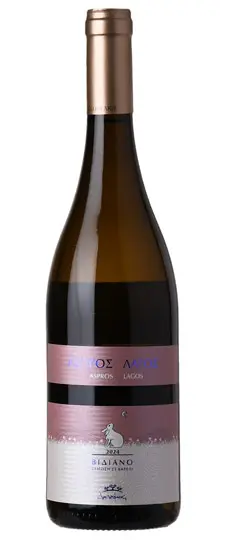
Broad and welcoming with an ambrosial tropical richness and an engulfing oak-infused texture which is rewarded by the lemon zest acidity and long, nurturing finish. (DWWA 2025)
Moschofilero is a pink-skinned Greek grape closely associated with Arcadia’s high-elevation vineyards in the central Peloponnese. Troupis Winery draws on that regional connection for its 2025 “Thunder” rosé, presented in a generous one-liter format that highlights a distinctive local variety beyond its familiar use in white wine.
Brothers Stergios and Perikles Tatsis have done something remarkable in the Greek appellation of Goumenissa. An early adopter of organics and biodynamic principles, they work in a low intervention style using only native yeasts, doing long macerations and with many of their wines, releasing them after they have had years in bottle to settle and find their best footing. Goumenissa is a traditional blend of Xinomavro and Negoska. *Natural Wine* *Biodynamic*
Ktima Zafeirakis’ Prologue is a Greek sparkling rosé made by méthode traditionnelle, the production method in which secondary fermentation occurs in the bottle. This bottle-fermented approach distinguishes it from sparkling wines produced by tank fermentation and forms a central part of the wine’s identity.
George Skouras founded his Peloponnese winery in 1986 after studying oenology in Dijon, and Megas Oenos dates to that inaugural year. Meaning “Great Wine” in Greek, the 2022 bottling unites Agiorgitiko, the signature red grape of Nemea, with Cabernet Sauvignon—a blend that has become closely identified with Domaine Skouras.
Winemaker Iliana Malihin is based in Melambes, a mountain village in southern Rethymno, where her work has helped renew attention on Crete’s indigenous grapes and old vineyards. This 2024 rosé is made from Liatiko, a historic red variety closely associated with the island’s viticultural tradition.
Domaine Zafeirakis has played a leading role in reviving Limniona, an indigenous Greek red grape once close to disappearing. This 2025 rosé comes from the family estate in Tirnavos, Thessaly, where the Zafeirakis family has cultivated vines for generations and focuses on native varieties.
The Athanasiou Winery 2024 Nemea Agiorgitiko is a medium-bodied red built around generous primary fruit. Aromas of plump cherry and raw blackberry lead the way, giving the wine an immediately appealing and fruit-forward personality. Sourced from 35-year-old vines on clay and limestone soils in Nemea, it balances that ripe fruit with a firm frame of tannins that provides structure and support. The finish remains sweet-toned, making for an approachable and satisfying expression of Agiorgitiko. (ML)
Terra Olympus is the Rapsani project of Apostolos Thymiopoulos, drawn from certified organic vineyards on the southern foothills of Mount Olympus in Rapsani. Planted between 400 and 600 meters on schist soils with granitic and limestone subsoils, the dramatic relief and constant mountain air preserve freshness while lending a firm mineral spine. The blend - 50% Xinomavro, 35% Krassato, and 15% Stavroto - comes from a mix of 70-year-old ungrafted vines and younger parcels, co-fermented spontaneously with 20% whole cluster and an extended maceration of up to 50 days. Raised for 15 months in neutral 500L French oak, the wine balances alpine lift and Mediterranean depth, marrying red and black cherry fruit with savory herbs, crushed stone, and fine-grained tannins. It is a vivid, terroir-driven expression of Rapsani, combining finesse and structure in equal measure.
Join our list
Exclusive offers, new arrivals, and expert picks