Wine Clubs
100+ Results
Wine Club
Top Pick

Since acquiring the property in 2009, Virginie Saverys has worked to convert all 162-plus hectares of vineyards to organic and biodynamic practices. In 2015 the Sangiovese was harvested relatively early, between 10-28 September. Hints of dried rose petals, violet, pepper and black tea add complexity to fragrant red cherry and strawberry. (MM)
Wine Club
Top Pick

A perceptible dollop of wood frames ripe aromas of cherry, raspberry and a hint of kirsch. There is both good volume and vibrancy to the delicious middle weight flavors that conclude in a bitter pit fruit and mildly warm finale. To enjoy on the younger side.
Wine Club
Top Pick
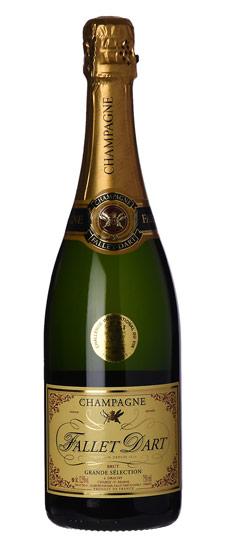
Of all of the sub-50 dollar champagnes we have in stock right this moment, this is the one I'm taking home. Incredible vibrancy, amazing texture from it's seriously lengthy time on the lees, and some of the most elegant (fine) bubbles I've had in a long time. Although it's easy to consume, it's still a nicely complex Champagne that is filled with spice, and freshness in a lengthy finish. You can't go wrong with this as your party Champ!
Wine Club
Top Pick

This is Champagne with a quiet kind of allure—the color of rose gold at sunset and a perfume that feels almost nostalgic. Notes of wild strawberry, blood orange, and toasted almond drift from the glass, joined by whispers of chalk and cream. On the palate, it moves gracefully between richness and restraint: bright, delicate bubbles carrying flavors of red fruit, pastry, and a touch of spice. It’s the sort of bottle that invites you to slow down and savor. Elegant but never showy, deeply charming without effort—Launois reminds us that beauty in Champagne doesn’t always need to shout.
Wine Club
Top Pick
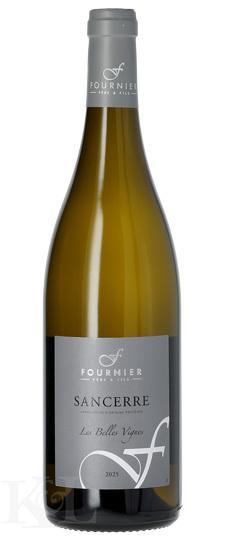
Domaine Fournier, known for its signature site-specific and soil-driven Sancerres, has afforded us the opportunity to feature its flagship cuvée, Les Belles Vignes, in this month's club. Like all white Sancerre, it is 100% Sauvignon Blanc, but what makes this wine special is that it represents an alliance of the appellation's three great soil types: Terres Blanches (Kimmeridgian marl), Caillottes (Oxfordian limestone), and Silex (flint). Each terroir contributes something unique. Terres Blanches provides weight and structure, Caillottes brings freshness and vibrant fruit, while Silex adds minerality and a subtle savory character. When these three elements come together, the result is often greater than the sum of its parts—a wine that captures the complete expression of Sancerre rather than the personality of a single site. The result is a wonderfully balanced Sauvignon Blanc with bright aromas of grapefruit, lemon zest, white peach, and fresh herbs layered over a chalky, flinty backbone that keeps the wine focused and energetic. There is both precision and depth here, with each soil lending its own distinctive voice to the final blend. This is the style that has made Sancerre one of the world's great white wines. Whether paired with freshly shucked oysters, grilled sea bass, roast chicken, or a classic Loire goat cheese, this wine will shine at the table.
Wine Club
Top Pick

My favorite wine of the flight, the Barale Fratelli 2021 Barolo del Comune di Barolo hints at some of the savory notes (like cured meat and dried tobacco leaf) that we saw in the rest of the range; however, this wine has a stronger and fresher fruit side with cherry and blackberry. It is fermented in stainless steel and matured in French botti for 30 months. (ML)
Wine Club
Top Pick
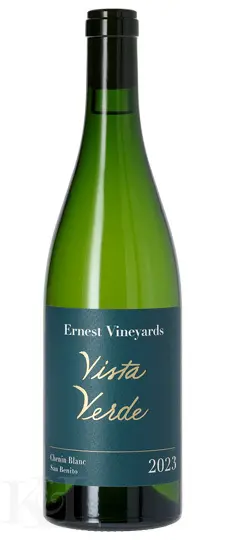
What a great Chenin Blanc - beautifully perfumed like magnolia flowers, with delicate, sweet, yet zesty floral notes right at the front. Sourced from the limestone soils of the Vista Verde vineyard in San Benito County, this wine feels like a study in restraint. Joseph Ryan's winemaking choices include a light press of the clusters, fermentation in neutral French oak puncheons, and a patient 18-month elevage, including six months in stainless steel before bottling. Ryan says it helps to 'tighten' the wine’s frame, focusing the fruit and refreshing the acidity after its time in wood. The high acidity supports a palate that shows a lightly viscous, slightly waxy mouthfeel with flavors of quince paste, crunchy pears, and lemon peel. While the citrus notes dominate through the finish, there's a somewhat savory, umami note at the end that grounds the floral lift. It's a wine that feels very intentional and interesting.
Wine Club
Top Pick

The 2020 Chianti Classico Gran Selezione Stielle is dynamic and complex in the glass, a wine that shows everything Gaiole is capable of. Dark-toned fruit, lavender, mocha, licorice and cloves soar from the glass as the 2020 showcases its pedigree and sheer allure. Hints of floral and savory overtones blossom with aeration. What a wine! (AG)
Wine Club
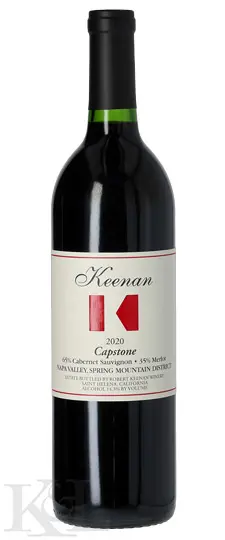
This blend of 65% Cabernet Sauvignon and 35% Merlot from Keenan’s Spring Mountain estate opens with high-toned violet and graphite aromas that build into a full-bodied palate. Dusty tannins frame emerging notes of forest berries, dark loamy earth, leather, and tobacco spice. A powerful wine with firm structure and excellent ageing potential, its baking spice character adds dimension to the wine’s vibrancy and depth. (JC)
Wine Club
Top Pick

Willamette Valley Pinot Noir for only $19.95? Well, yes and no. Yes, it's $19.95 at K&L, but it's higher everywhere else - if you can find it. The 2022 North Valley Compass is a blend from five biodynamically farmed vineyards in the Willamette Valley and is pure organic Oregon Pinot Noir that punches way above its price point. Aged for ten months if French oak, 25% new, the Compass has notes of black tea, blackberry, dark strawberry, cranberry, pomegranate, rose petals, and baking spices
Wine Club
Top Pick
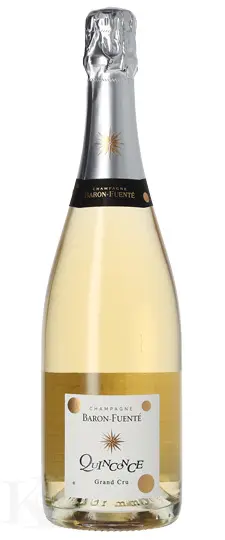
This bold and structured champagne has plenty of mature character, but also a lovely lemony freshness and lively mousse that gives it good drive at the crisp finish. A cuvee of 55% chardonnay and 45% pinot noir that was aged for seven years.
Wine Club
Top Pick

What a knockout! With subtle brioche, incredible freshness and a dry, chalky finish that goes on for days, this wine gets its texture from around seven years of ageing on the lees, it's incredible finale from massal selected vines planted to the pure chalk of Bouzy and dry snap from very low (around 2g/l) dosage. If you want a real terroir experience, it is in this bottle, but if you just want generous, rich champagne that still finishes definitively dry, that is here too! Maison 76 is our private label here at K&L, but we wanted it to be about true value, not just the lowest price. I think this is one of the best wines on the shelf in any category at this price, and a true marvel of champagne. Don't miss this one!
Wine Club

Amarone della Valpolicella is made from grapes dried before fermentation, a traditional process known as appassimento. The Classico designation on Villalta’s 2017 “XIX” identifies its origins in Valpolicella’s historic production zone northwest of Verona, connecting this Veneto red to a more narrowly defined area within the wider appellation.
Wine Club
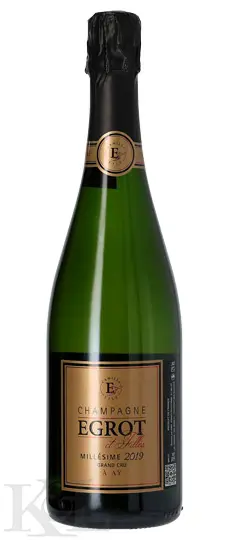
Elisabeth Goutorbe and her husband Jean-Marie Egrot run their small-production Champagne house with minimal outside help, occasionally assisted by Elisabeth's father, René Goutorbe of Champagne Henri Goutorbe. From their 15 acres across Aÿ, Louvois, Tauxières, and Mutigny, they reserve fruit from only their best 2.5 acres—primarily in Aÿ with some Louvois Chardonnay for balance. This vintage wine is entirely Aÿ Grand Cru, two-thirds Pinot Noir and one-third Chardonnay. The 2019 vintage, perhaps the best since 2008, combined with older selected vines, marries fabulous chalk minerality with excellent structure. (Gary Westby, K&L Champagne Buyer)
Wine Club
Top Pick
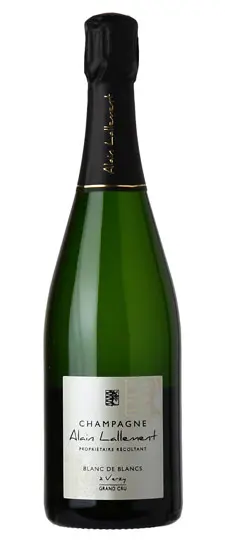
Champagne Alain Lallement is a small, family-run Grand Cru estate in Verzy, Montagne de Reims. Alain Lallement founded the domaine in 1975, later passing it to his son Antoine in 2020. Rooted in generations of vignerons, the family cultivates vineyards across Verzy, Rilly-la-Montagne, and Tauxières, all within the Montagne de Reims—an area. Annual production is modest, around 25,000 bottles.
Wine Club
Top Pick
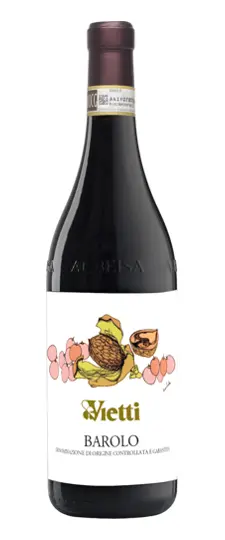
A graceful wine with cinnamon, earth, strawberries, sweet violets and leesy complexity. There is a lot of fruit depth, with a full body, lifted acidity and dense, ripe, velvety tannins. The finish is polished yet tight. Drinkable now, but best from 2027. (AF)
Wine Club
Top Pick
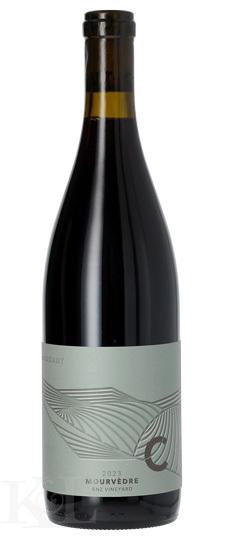
From a historic site once home to a regionally critical limestone mine, this bottling begins with earthy aromas of leather and tobacco followed by crunchy cranberry accents. Grippy, leathery tannins take hold of the sip, where dried red fruit flavors are easygoing now but could grow more intriguing with time. Drink now-2039. *Cellar Selection* (MK)
Wine Club
Top Pick

A textbook example of excellent dry white in 2023: you get the sumptuousness of ripe Sémillon with nectarine juiciness and the verve and citrus punch, in this case kiwi, from the Sauvignon Blanc. No malolactic fermentation to maintain acidity, given the summer heatwaves, and voilà. This wine also has some classy pear on the finish, but above all a juicy mid palate. (PK)
Wine Club
Top Pick

Aromas of black cherries, potpourri and bitter roots, as well as a hint of tree bark. Medium body with chewy tannins. Subtly toasty aftertaste. A little austere. Compact and tight. Better after 2024. (JS)
Wine Club

A firm, chewy Brunello with cherry, walnut and black-truffle character, as well as tile undertones. It’s full-bodied with dark fruit and mahogany and cedar undertones. Tight and wooded at the moment, but should come round with bottle age. Give it time. Try after 2023.
Wine Club
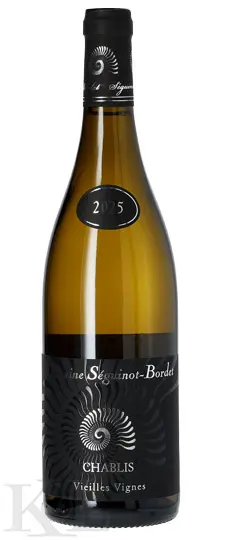
Domaine Séguinot-Bordet ranks among the oldest family estates in Chablis, with documented roots in Maligny dating to 1590. Today, Jean-François Bordet oversees a 16-hectare domaine on the right bank of the Serein, where many vineyard parcels enjoy prime south and southeast exposures on classic Kimmeridgian soils. The estate remains firmly focused on Chardonnay, producing a range from Petit Chablis through Premier Cru and Grand Cru bottlings. Vineyard work emphasizes careful stewardship of the land, including massal selections and environmentally conscious farming. In the cellar, Bordet favors stainless steel, employing distinctive horizontal tanks that increase lees contact while preserving the purity, energy, and mineral precision that define traditional Chablis. The resulting wines have earned a reputation for clarity, balance, and a transparent expression of site, making Séguinot-Bordet one of the region’s enduring benchmarks.
Wine Club

From the third-growth Château La Lagune in Ludon-Médoc, Moulin de La Lagune is the estate's second wine. The property lies in the southern Haut-Médoc, on gravel terraces near the Gironde estuary.
Wine Club
Top Pick
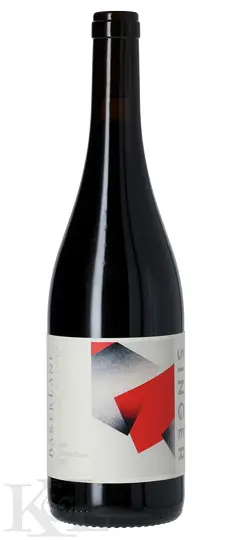
The 2023 Baker Lane Estate Syrah from Singer is a striking expression of Sonoma Coast pedigree. The bouquet is explosive, bursting with black raspberry, purple plum, cassis, and blueberry, layered with violets, white pepper, bacon fat, smoke, and crushed granite. It’s a captivating aromatic display that firmly plants this wine among California’s most compelling Syrahs. On the palate, it delivers both plush texture and vibrant lift, marrying sleek blackberry fruit with savory spice and mineral tension. Utterly delicious now with a short decant, it has the depth to evolve beautifully over the next decade.
Wine Club
Top Pick

Some fresh rosemary and pine needles bring a herbal, resinous note to the wine. It has some generosity on the palate, juicy red fruits, strawberry and raspberry, with lovely bright acidity and freshness. All in all, a precise, detailed, fresh and vibrant style of Gigondas that's well balanced and authentic. (MW)
Wine Club
Top Pick
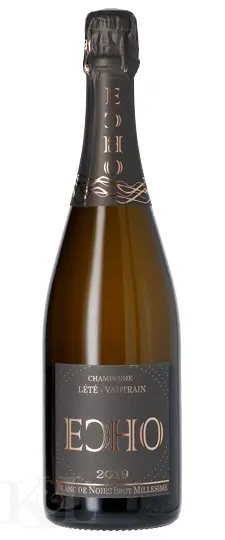
Fresh apple skin, rose, violet, and almond paste on the nose, smelling fresh and invitingly creamy. The palate delivers wild flowers, almond pastry cream, and stone through a precise and clean finish with lovely persistence. Fresh and enjoyable now alongside a fruit and almond tart. (ACC)
Wine Club
Top Pick
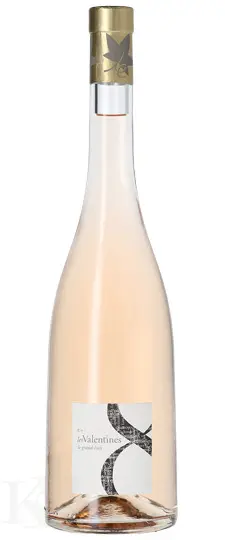
Le Grand Huit is a blend of Cinsault and Mourvèdre sourced from some of the estate's oldest vineyards, with vines averaging around 60 years of age. Cinsault contributes freshness, lift, and bright red fruit, while Mourvèdre adds structure and depth. It's no coincidence that Mourvèdre is the backbone of the great rosés of Bandol—it's a variety that gives rosé the ability to gain complexity with a little bottle age. The wine opens with notes of white peach, dried strawberry, and pamplemousse, followed by a gentle kiss of sea salt and a hint of bay leaf. It has the concentration to enjoy on its own, but it really comes alive at the table. A spread of Mediterranean mezze would be hard to beat, though grilled seafood or herb-roasted chicken would be equally at home alongside this beautifully balanced rosé.
Wine Club
Top Pick

I have written about Borgogno Riservas from 1964, 1976 and 1978, and this is the same house at the other end of the cellar. Borgogno has made wine in the village of Barolo since 1761, and the method is still old-school, concrete for fermentation and large Slavonian oak botti for ageing. 2022 was hot and dry, but the Nebbiolo kept its perfume. Wild cherry, red plum and rose on the nose, with white pepper and dried herbs. Medium-bodied, with fine tannins that still have grip and a fresh, savory finish. It is a baby Barolo you can open tonight, and at this price you can open it every night!
Wine Club
Top Pick

Another delicious and great-value Haut-Médoc from the Giscours team. Perfumed and scented on the nose with liquorice and blackcurrants. Juicy and alive, supple and smooth on the palate. Lots of life and energy with a sleek, silky frame and such purity of expression. Crystalline, bright and so appealing. Very easy to drink with cool blue fruit touches, mouthwatering acidity and a minty, crushed stone freshness. A beautiful, delicate and finessed expression with such succulence and nuance. 3.70pH. A yield of 27hl/ha. Ageing 12 months, in barrels. (GH)
Wine Club

Medium garnet-purple in color, the 2020 Marjosse Rouge needs a little coaxing to reveal notes of cast-iron pan, crushed rocks, and dusty soil over a core of red plums, blackberry preserves, and mulberries, plus a hint of bay leaves. Medium to full-bodied, the palate is tightly knit with fine-grained tannins and bold freshness supporting the nuanced black and red fruits, finishing long and minerally. (LPB)

Wine Club

Rich black cherry and dried field grass aromas weave in freshly-tilled earth on the nose. The palate brings in layered-yet-measured red-and-black fruit flavors that soothe and fill out the finish. (RS)
Wine Club
Top Pick

Lambert Bridge is one of Sonoma County's best-kept secrets. Founded in 1975 in Dry Creek Valley, Lambert Bridge was producing tens of thousands of cases up to the turn of the century, when they pared down to 8,000 cases a year, refocusing on quality.
Wine Club

An 88-acre estate, Château de Montfaucon sits just across the Rhône River from the esteemed vineyards of Châteauneuf-du-Pape. It is owned and operated by Rodolphe de Pins, a UC Davis graduate and former member of the winemaking staff at Domaine du Vieux Télégraphe. Over the years, Château de Montfaucon has developed a HUGE following among both our staff and customers. Vigneron Rodolphe de Pins recently acquired new holdings in the Clos Bimard, an historic property on the southwest side of the appellation. These 3.5 hectares are planted to old vines of Grenache, Mourvedre and Cinsault. Under Rudi's handling, the wines are focused, balanced and immediately attractive on the palate. Another great addition to the portfolio of wines from one of our favorite producers!
Wine Club
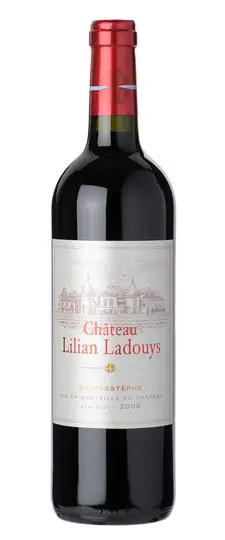
Open, ready to drink, fleshy and enjoyable, great value for money. Brambled black fruits with redcurrant and pomegranate freshness running through, plenty of dark spice and melted tannins. Hard not to say that this is just a great drinking wine, ready to enjoy.
Wine Club

'The idea is freshness,' was ex-winemaker David González's description of this 60/40 blend of Tempranillo and Garnacha from 21 north-facing vineyards in the Alto Najerilla. Showing some ferrous grip from iron-rich soils, this is tangy, focused, vertical and very lightly wooded, with the acidity, minerality and structure to age.
Wine Club

The 2024 Pinot Blanc is a blend of Pinot Blanc from 60-year-old vines and Auxerrois planted in 1946 and 1943, grown on granite. Tart, fresh pear is framed by lemon zest on the nose. These taut, citric notions carry onto the palate, where they are colored by riper, rounder pear. This strikes a perfectly concentrated but light balance and is bone dry. (Bone-dry) (AK)
Wine Club

Roberto Anselmi is a legendary renegade in the Veneto. In the year 2000, frustrated by the lax regulations and mass-produced mediocrity of the Soave DOC, he made the radical decision to declassify all his world-class wines to simple Veneto IGT status. He chose to rely on the undisputed quality of his terroir and his meticulous farming rather than a compromised appellation name. The "Capitel Croce" is his masterpiece—a single-vineyard expression of 100% Garganega grown on ancient, pure volcanic tuff. What sets this wine apart is the winemaking: unlike most Garganega, it is fermented and aged in French oak barrels. Because of the incredible density and acidity derived from the volcanic soil, the wine absorbs the oak seamlessly, resulting in a white wine of profound structure and longevity. It pours a deep, glowing gold. The nose is a complex tapestry of baked apple, chamomile, apricot, and toasted almond, underpinned by a distinct, smoky flintiness. On the palate, it is rich, creamy, and enveloping, yet perfectly balanced by a driving mineral tension. This is a white wine for red wine drinkers, demanding rich dishes like lobster, truffle risotto, or veal scallopini.
Wine Club
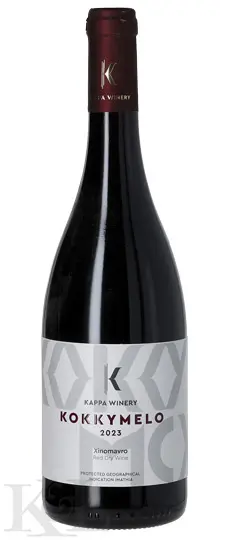
Naoussa is one of Greece’s historic appellations for Xinomavro, a red grape closely associated with the vineyards of northern Macedonia. Kappa Winery’s 2023 “Kokkymelo” places the variety within this established regional tradition, offering a clear introduction to the grape through its best-known viticultural home.
Wine Club
Top Pick

The pale, elegant and nuanced red 2021 Tinto showcases the elegant and balanced house style of sleek reds, with a creamy touch, contained ripeness and good balance. 2021 was a very good vintage, when the destemmed grapes were put in stainless steel to ferment with indigenous yeasts and the wine matured in French oak barrels for close to two years. It has notes of wild berries, herbs and flowers, a medium-bodied palate and abundant, chalky tannins. It comes in at a contained 12.5% alcohol, with a pH of 3.49 and 5.85 grams of acidity. It should develop nicely in bottle and finish integrating the oak with a little more time. (LG)
Wine Club
Top Pick
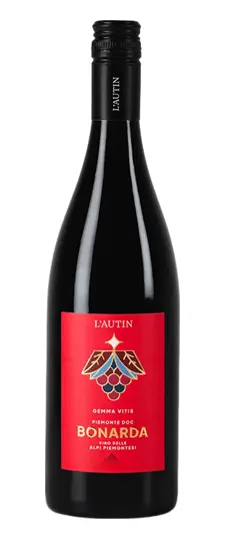
If you want to discover the hidden, rugged side of Piedmontese viticulture, you have to leave the famous rolling hills of the Langhe and head west toward the jagged peaks of the Cottian Alps. Here, in the Pinerolese appellation just outside of Turin, you will find L’Autin. The name translates to "the little vineyard" in the local dialect, an apt title for an estate that champions tiny, high-altitude plots of native grapes. The terroir here is defined by the mountains: it is cooler, dramatically steeper, and the soils are packed with crushed stone and minerals. (In fact, the estate is so tied to the local geology that they age their sparkling wines deep inside an abandoned talc mine!). The "Gemma Vitis" is a celebration of the local Bonarda grape, specifically adapted to this cool, alpine-adjacent climate. Because of the extreme diurnal temperature shifts, the grapes develop thick skins and brilliant natural acidity. This isn't a heavy, brooding red. The mountain terroir translates into a wine of incredible crunch and energy. It pours a vibrant, deep purple, offering bright, rustic aromatics of wild blackberry, crushed raspberry, and a distinct, graphite-like minerality derived from the rocky soil. On the palate, it is juicy, vertical, and refreshing, with a mouth-watering finish that begs for a plate of rich, local tajarin pasta or a spread of cured alpine meats.
Wine Club
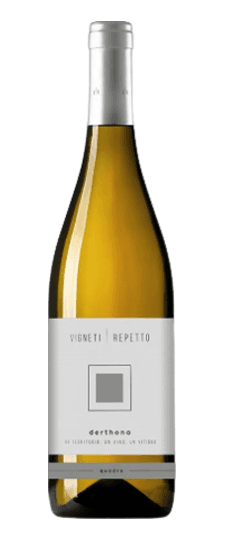
At first this wine feels like walking past a flower shop before it opens, you catch hints of what's inside but need to wait for the full show. Once it opens up, it's like a stone fruit orchestra finding its rhythm, building to a crescendo before taking a refreshing dive into salty ocean waters. *Best Buy* (JP)
Wine Club

Sometimes, the most compelling wines come from the most humble philosophies. "Piccolo Goccio" translates to "Little Drop," a name that perfectly encapsulates the artisanal, boutique approach behind this wine. In a world where Sangiovese is often blended, heavily oaked, or polished to meet international tastes, this project is a refreshing return to the grape's unadulterated, rustic roots in central Italy. This wine is a tribute to the rolling, sun-drenched hills of Tuscany, where Sangiovese has thrived for centuries. By sourcing fruit from small, dedicated plots and utilizing a gentle, low-intervention approach in the cellar (often leaning entirely on stainless steel or neutral vessels), the winemaking steps out of the way to let the raw terroir speak. The result is a wine that captures the nervous, joyful energy of Sangiovese. It pours a brilliant, translucent ruby, offering immediate aromatics of crunchy red cherries, wild strawberry, and a savory hint of wild thyme. It is light on its feet, with that signature mouth-watering acidity and a dusty, earthy finish. It’s an honest, "glou-glou" style of Sangiovese that demands a spot on your picnic blanket alongside hard pecorino cheese and finocchiona salami.
Wine Club

Antonio Camillo has made it his mission to seek out small plots of old vines in the interior of the Maremma, and to make wines which express the terroir through vinifications which follow the principle of ‘nothing added, nothing taken away’. From the complicated 2023 vintage, this has crushed raspberry on the nose and a great sensation of volume on the palate, with super-fine tannins and a long, tangy, minerally finish. (RB)
Wine Club

A stunning nose, a little wrapping of seaweed around the stones. Perfectly balanced, then just when you are enjoying the subtlety, you sense the huge block of central white fruit as well. Only a little bit spicy, in fact even quite juicy at the finish. A long-term keeper, potentially a magnificent Preuses. The texture of a silk cravat suggests Didier Seguier. Drink from 2030-2040. Tasted Jun 2024.
Wine Club
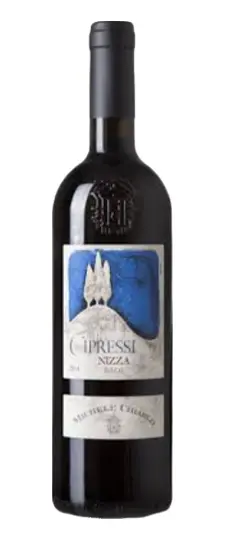
The 2023 Nizza Cipressi is packed with crème de cassis, blackberry jam, licorice, cloves and menthol. This overt, flamboyant Barbera packs a serious punch. Plush contours wrap around the heady, substantial finish. (AG)
Wine Club
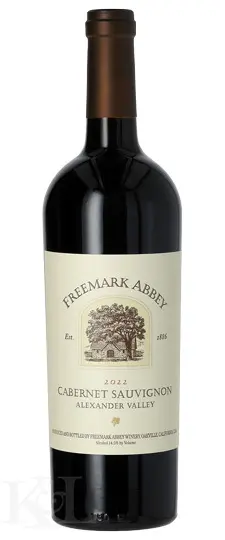
The history of Freemark Abbey began in 1886, when Josephine Marlin Tychson became the first woman to build and operate a winery in California. The historic site where Josephine's winery, Tychson Cellars, once stood is now known as Freemark Abbey. Josephine, a native of San Lorenzo, California and her husband, John Tychson, a Danish immigrant, moved to St. Helena in 1881. For $8,500, they purchased 147 acres north of St. Helena, which later became known as "Tychson Hill". Shortly after her husband's death, Josephine began construction of a fifty square foot redwood winery which would grow to hold a capacity of about 30,000 gallons. In addition, she hired Nils Larsen, an experienced vintner, as her foreman. Josephine successfully produced wine for the next eight years and then sold the winery to Larsen in 1894. In turn, Larsen leased the winery to Antonio Forni, a good friend of Josephine's. Forni later purchased the property in 1898. Forni is responsible for building a new winery on the old site of the Tychson structure. In the years that followed, Freemark Abbey went through a period of several different owners until 1966, when a group of partners purchased the winery. Ted Edwards is one of the longest tenured winemakers in Napa Valley. After forty years as director of winemaking at Freemark Abbey, Ted transitioned to the role of Winemaker Emeritus in 2020.
Wine Club
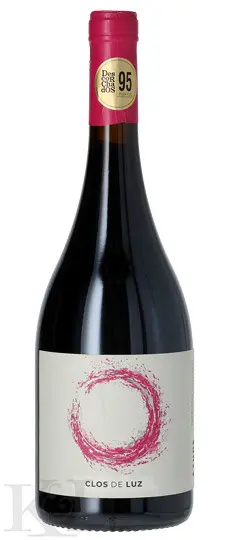
It’s encouraging to see one of Chile’s best young winemakers eschewing oak altogether to produce a concrete fermented and aged Carmenère. Floral, detailed and ethereal, it has lovely poise and balance, granular tannins, a waft of coriander and basil and juicy bramble and red pepper flavours. Classy stuff.
Wine Club

Graves takes its name from the gravel-rich soils that distinguish this historic district on Bordeaux’s Left Bank. The 2024 Chapelle de La Solitude Blanc is a Sauvignon Blanc from this renowned white- and red-wine-producing area south of the city of Bordeaux.
Join our list
Exclusive offers, new arrivals, and expert picks